
MYSTIC | FW2425 - westward abrasive blast gun kit
As mentioned earlier, no ionizing radiation is used to create ultrasound images, so there is no threat of medical conditions caused due to radioactivity.
Apart from the price, there are other factors to consider when choosing ultrasound equipment or machine. Some of the most important ones are size, type, portability and image quality.
An ultrasound exam has the ability to map internal tissues and organs in 3D, without necessitating probes and needles. This is why ultrasound machines are present in almost every medical environment.
Usually, an ultrasound exam requires minimal special preparation for better image quality and assessment. The doctor or sonographer will provide any preparation guidelines necessary beforehand, based on the area that requires the ultrasound scan.
USC Ultrasound is one of the most reliable suppliers of ultrasound machines and equipment. Many of the machines you see in high-end hospitals or small clinics are sourced from USC Ultrasound.
What is an ultrasound machine, and how does it work? In this article, we will cover the basics of ultrasound technology, how it works, and the different types of ultrasound imaging devices available.
Not only that, but ultrasound imaging is the most common testing method used on pregnant women to monitor the growth of a fetus inside the body.
Ultrasound imaging is a term that almost everyone has heard at one point or another. There are many reasons why diagnostic ultrasound is one of the most common testing processes done in the medical field.
This imaging technique uses ultrasound waves, which are very high-frequency sound waves. These sound waves cannot be heard or differentiated by human ears.
The transducer sends and receives the sound waves. If you have seen an ultrasound machine, the transducer is the small handheld probe that the technician uses. In early devices, sending and receiving these waves was done by two different units.
The working principle behind an ultrasound machine is similar to that of SONAR systems used in military and naval applications. Even bats use this principle to hunt their prey without relying on their sight.
It is a medical imaging method that uses sound waves on a body’s internal organs for testing, diagnostic, or therapeutic reasons. The sound waves travel through the body and are converted into an ultrasound image showing the condition and boundaries of fluid and soft tissue and internal organs in the body. This allows medical staff to diagnose problems and decide on treatment programs.
There are more benefits to ultrasound imaging methods than any other medical imaging procedure. Some of the benefits of ultrasound exams are:
You can find used and brand-new ultrasound machines at USC Ultrasound. The best part is that if you cannot make a big one-time investment, USC Ultrasound provides financing options.
The first medical ultrasound machine was developed in Glasgow by obstetrician Ian Donald and an engineer, Tom Brown. It was first invented in 1956 and further improved till it was perfected around 1959.
The frequency of ultrasound waves in medical applications is between 2 MHZ and 15 MHZ. The higher the frequency, the shorter the wavelength and the more attenuation. Therefore, reducing the frequency and absorption allows us to study body structures and other features.
All content on this site: Copyright © 2024 Elsevier B.V. or its licensors and contributors. All rights are reserved, including those for text and data mining, AI training, and similar technologies. For all open access content, the Creative Commons licensing terms apply
Using medical ultrasound imaging allows doctors to diagnose problems with internal organs and sources of inflammation or pain in the body.
Now, you might be wondering how the waves penetrate some organs while reflecting off others. This phenomenon is decided by the wavelength/frequency of the sound wave used.
Many people hear the term ‘sonography’ and consider it the same as ultrasound. While the two are similar, there are differences that you should be aware of.
While the concept of ultrasound waves was established more than 100 years ago, the use of this science in medicine was adopted after the Second World War. Some of the most memorable dates in the evolution of ultrasound technology are:
If you have a clinic or a medical testing facility, getting a good ultrasound machine should be the first thing on your list. Browse through the range available at USC Ultrasound to get the best of these machines and other medical equipment you require.
Ultrasound scanning is so common that you will find a diagnostic ultrasound machine in every medical testing facility. However, while people know what an ultrasound examination is, not many have an in-depth understanding of how it works.
Besides these applications, ultrasound is used to study a lot of other parts of the body. These include the carotid arteries, thyroid gland, blood cells, eyes, pancreas, spleen, liver, and gallbladder. In infants, ultrasound imaging can study the hips, brain, and spine.
The image created is called a sonograph, and the technician conducting the ultrasound examination is called a sonographer.

Sonography is the term used for the imaging application of ultrasound technology. When used for diagnostic purposes and generating a picture, the method is called sonography.
The printer is used to print a hard copy of the ultrasound image. The hard copy can be used for examination by another doctor or saved in a patient’s file for use later. Hard copies of images are also given to expecting parents as a picture of their child.
CT scans utilize X-rays to generate a detailed image of the body’s internal organs. The X-ray tube rotates to capture images of different body sections and tissues.
Ultrasound is one of the safest medical examination procedures. There are no known disadvantages or risks associated with this process.
3D ultrasound imaging is often utilized to detect benign tumors and cancer in the early stages. Common areas for detection include the breasts, colon, prostate, and rectum.
Once the patient is in the correct position, the sonographer applies a water-based gel to the area that requires imaging. The gel reduces the air between the transducer and the skin, allowing for better image quality as the sound waves bounce back to the transducer.
A Computerized Tomography (CT) scan is another common medical imaging procedure used to identify ailments inside the body. However, this is quite different from ultrasound scan procedures.
Doctors commonly ask patients not to eat or drink anything 12 hours before the ultrasound scan. The doctor might also recommend drinking a few glasses of water and avoiding urinating before the ultrasound scan in order to analyze a full bladder.
There are dozens of medical applications for ultrasound machines. Here is a list of various cases where the technology is used to examine the body:
The process of performing a typical ultrasound is simple. The patient lays on an examination table, usually facing upwards. The sonographer adjusts the table and the patient’s position based on the requirements of the particular ultrasound procedure.
The Doppler effect is based on sound waves and their echo reflected from moving objects. When ultrasound machines incorporate this principle, the process becomes Doppler ultrasound.
Three dimensional (3D) ultrasound imaging machine captures different 2D images of the area of interest by the movement of the probe. These images obtained by ultrasound transducers are then superimposed by specialized software built into the machine, forming a 3D model of the tissue.
Control knobs enable the technician to adjust the settings for ultrasound scans to get a clear picture on the display. Other functions include zooming the picture in and out.
An ultrasound machine uses high-frequency sound waves, emitting these waves toward the body. These waves penetrate the skin and bounce off the inner organs and tissues.
In the early stages of its development, ultrasound technology was limited to creating blurry 2-dimensional images of the area of interest. However, with modern technology, the results that can now be obtained are fascinating.
Prices of new ultrasound machines start at about $5000 for economical versions and go up to $100,000 and over for flagship models. General ultrasound machines are on the cheaper end, while specialty machines with probes fall on the higher end of the scale.
The display or monitor shows the image of what the transducer is scanning. This allows the doctor to analyze the image before creating their diagnosis. It also enables the technician to navigate to the exact area that requires ultrasound imaging.
Doppler ultrasound is generally restricted to moving particles. Therefore, it is applied for studying the blood flow through the heart and the blood vessels in the body.
We use cookies to help provide and enhance our service and tailor content. By continuing you agree to the use of cookies
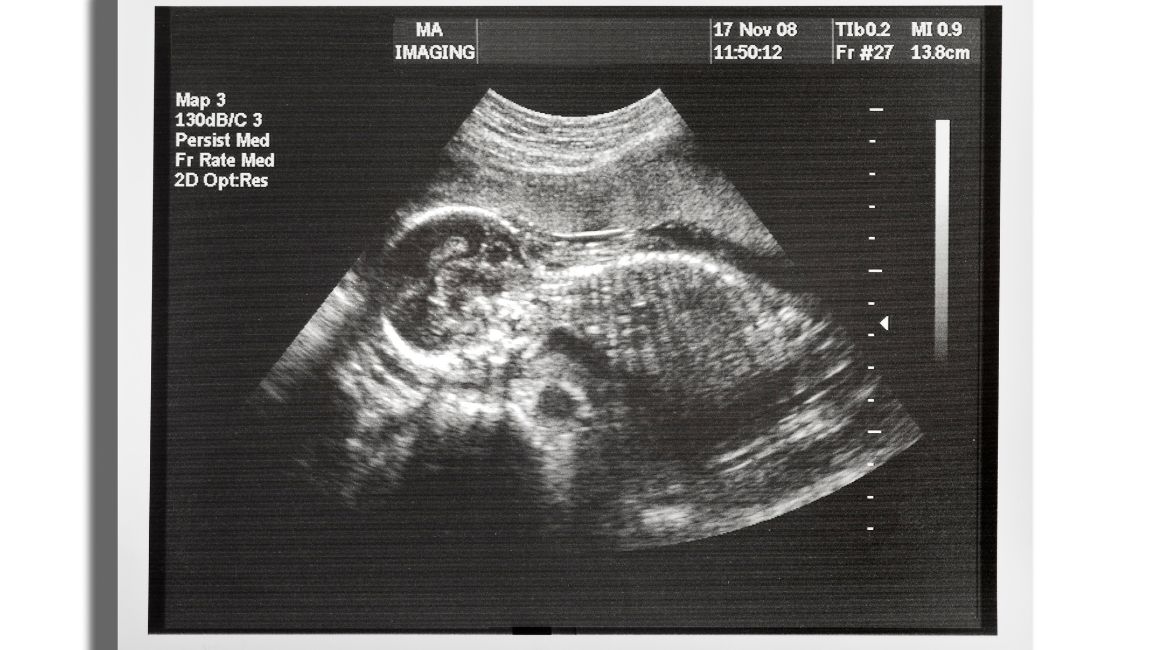
Ultrasound scanning has evolved significantly over the past few decades. The machinery has been developed to become more compact, and the resulting imagery has become more detailed, high-quality, and vivid. Typical components of an ultrasound machine include:
As we mentioned earlier, the ultrasound process can be diagnostic or therapeutic. When it is diagnostic, it is used as an imaging method. When it is therapeutic, no imaging is generated. Typical therapeutic applications involve delivering deep heat to soft tissue areas.
Once the gel is applied, the sonographer moves the ultrasound probe around the area of interest. The patient might feel some pressure from the ultrasound probe.

There are very few medical procedures that come without side effects, risks, or any pain involved. Ultrasound imaging is one of these few.
The Central Processing Unit is the brain behind an ultrasound machine. It coordinates the different signals emitted and received by the transducer, interpreting the electrical signals in the form of a visual image on the monitor.
In 2015, UN member states agreed to 17 global Sustainable Development Goals (SDGs) to end poverty, protect the planet and ensure prosperity for all. This person’s work contributes towards the following SDG(s):
3D imaging is also used to study fetal development and detect abnormalities in its growth, such as disproportionate limbs. It can even measure the blood flow in fetal blood vessels.
When they bounce and reflect, the reflected waves are recorded by the machine. The patterns of these reflections are used to generate visualizations of the inner organs and tissues of the body.
The price of ultrasound machines depends on the type of machine you buy and whether you get it new or used. It might surprise you that many of the ultrasound machines you see in a doctor’s office and emergency rooms are refurbished.
Keyboards are used during ultrasound scans to enter patient data. Entering patient data allows every image to be saved correctly in the patient file. Storing patients’ ultrasounds with their data helps maintain accurate patient records on any digital medium.
Since CT scans use X-rays, the procedure is radioactive and potentially harmful to some extent. However, ultrasound scans produce no ionizing radiation exposure since they use sound waves instead.



 Neil
Neil 
 Neil
Neil