
Gas generator Pos. 732 IMO 190530 ACE025-038 XQXX - xqxx
19 Sept 2024 — ... Device Reporting (MDR) Regulations of 21 CFR Part 803. In addition to following the general recommendations (for manufacturers, facilities ...
Although Alpha Wire (Alpha) makes every reasonable effort to ensure their accuracy at the time of publication, information and specifications.
You can also look at the top left-hand corner of the CADD pump screen. This displays the amount of fluid that still needs to be given. If you have an intermittent infusion, the number will only go down at the time the infusion is programmed to start.
The Selaqui School, Chakrata Road, Dehradun Uttaranchal Ph: 0135-698700 / 698910. Website : www.schoolselaqui.org ; All Saints College, Tallital, Nainital, ...
It is possible to spill chemotherapy infusions. This can happen if the connection between the pump and your line comes loose, or if the line becomes damaged while the infusion is running.
If this message appears on your pump, press ‘Silence’. Then press the ‘Help’ button and follow the instructions. The screen may ask you to adjust the position of your arm, check that there are no kinks in the line and that all of the clamps are open.
A CADD pump is a small infusion device which is linked to your central line. It will allow you to receive high dose chemotherapy, medications and other fluids safely at home. The pump can deliver chemotherapy continuously, or as required at a certain time.
If the chemotherapy infusion splashes into your eyes, you should rinse them with running water immediately for 10 minutes.
The CADD pump should not be dropped or hit. Make sure the CADD pump is always out of the reach of small children and pets. You must also make sure that your central line does not get pulled or damaged.
The pump will begin pressurizing; after 5 to 10 seconds, you will be ready to spray. Step 4: Begin spraying your solution by pressing down on the spray handle's ...
The CADD pump will have a fully charged battery before you take it home. When the batteries need changing you will see an indicator on the screen. Instructions on how to change the batteries are given later on in this page.
If your chemotherapy or fluid has been programmed to start later in the day, for example 9:00 pm, you will not hear the whirring sound until this time. The CADD pump has a clock so it will start on time.
Before you are discharged from hospital your SACT nurse will explain how to use the pump. They will make sure that you understand how it works and that you feel confident in using the pump. Your partner or carer should also be familiar with how the pump works.
Your SACT nurse will programme the CADD pump to deliver the chemotherapy at the exact dose your doctor has prescribed. The keypad will then be locked so that the programming cannot be changed accidentally.
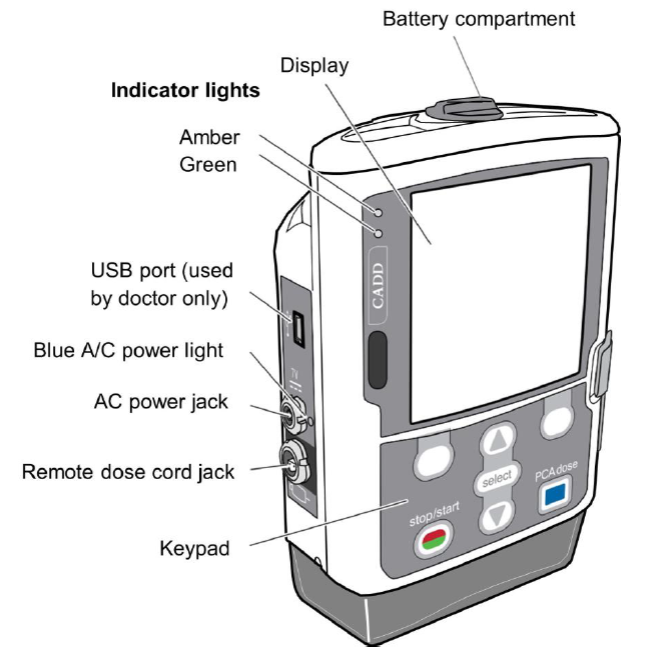
The green and amber indicator lights may flash at the same time. This means that the pump is running but something will need to be looked at soon. This could be:
Electric Bed Extension Set by Drive (for Days Beds, e.g. Casa) Enables a profiling electric bed to be extended for those taller Kit includes: Longer Length ...
The chemotherapy infusion can cause irritation if it touches your skin. If this happens, hold the affected skin under cold, running water for 5 minutes.
Following the advice on this page will help make sure that your CADD pump stays in good working order to deliver your treatment safely.
You have been referred this information page because you are due to receive your chemotherapy treatment at home via a Computerised Ambulatory Delivery Device (CADD) pump. This page explains what a CADD pump is, how it works and how to use it. Please read the information carefully and keep it in a safe place. If you have further questions or would like more information, please speak to your Systemic Anti Cancer Therapy (SACT) team.
If your treatment has been programmed to run continuously, you should hear an intermittent whirring sound. This means it is working correctly.
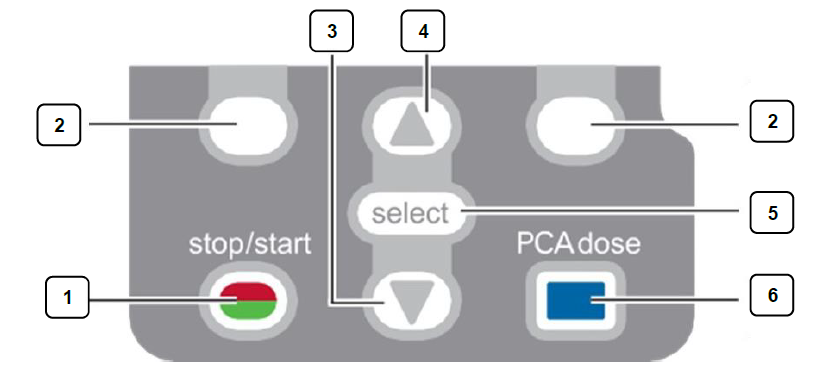
The display shows information and messages but will turn itself off to save power. You can press any key on the keypad to turn the display on.
You should be able to see the amount of liquid in the bag or cassette gradually go down. This is a visual check you can do to make sure the CADD pump is working.
When you go to sleep, put the CADD pump on a chair next to your bed. Make sure that the pump and bag holding the fluid are upright. This will allow the treatment to continue uninterrupted. If the bag is not upright, an air bubble or kink in the line can occur. This will stop the CADD pump from working.
The CADD pump is attached to an infusion bag or ‘reservoir’ (also known as a cassette) which contains chemotherapy, medication or fluids as needed. This is attached to your central line and will be placed into a bag which you can wear or place near to you, as required.
Open your internet browser and type ‘CADD pump’ in the search box then select ‘A study of blinatumomab for acute myeloid leukaemia’ to open and read.
You should keep the kit nearby when you have your CADD pump attached. You should also make sure that your family members or carer know how to use the spillage kit.
Downtown Reflection Ext-HARBUI58985 Print 18.25"x9.75" by Harold Silverman - Buildings & Cityscapes.
We use cookies to provide you with a better service. Carry on browsing if you’re happy with this or read more about our cookie policy and privacy policy.
Sometimes other messages or alarms can happen. The pump display will provide step by step instructions for you to follow. Whatever alarm or message is displayed, remember that you should not disconnect yourself from the infusion line.
You should then come to the hospital immediately for the next steps in your treatment which the healthcare team would have already discussed with you.
Universal Power Group ... Transmotion Medical TMM5 Series Chair Battery TMM-311-03 TMS-311-90 ZBA-142211 ... Stryker® 6506 Power-PRO XT Cot Battery 6500-033-000.
When the amber light is continuous, it means that the pump is not working. You should call the AHOU 24 hour Emergency Helpline for advice.
In the top right-hand corner of the CADD pump screen, a message should be displayed. If the message is green and says ‘Running’ then the pump is working normally. If the message is red and says ‘Stopped’ then the pump is not running. If you are having an intermittent infusion, the pump will display a countdown telling you when your infusion will start (for example, ‘Delayed start – infusion will start in 6 hours 30 minutes’).
This notifies you that your infusion is almost finished. You should press the ‘acknowledge’ button. The pump will continue to deliver the last of the infusion.
2.5% of 43 = 1.075 2.5% of 44 = 1.1 2.5% of 45 = 1.125 2.5% of 46 = 1.15 ... 2.5% of 949 = 23.725 2.5% of 950 = 23.75 2.5% of 951 = 23.775 2.5% of 952 ...
You can also select the ‘Chemotherapy pumps’ link and scroll down to the section that says ‘CADD pump’ for more information about the pump.
This product is used in combination with the AW channel cleaning adapter, leak tester and chemical tank to provide the following functions.
You should not play any contact sports (such as rugby or football) while you are using the CADD pump. This is because there is a risk that you could hurt yourself or damage the pump.
If your CADD pump is sounding an alarm, please look at the display screen. This will tell you what the problem is. There are two alarms that we expect to happen:
Call the AHOU 24 hour Emergency Helpline immediately. Unfortunately, air in the line cannot be fixed at home. You will need to come to the hospital so that a SACT nurse can assess and resolve the problem.
Please call the Acute Haematology and Oncology Unit (AHOU)) 24 hour Emergency Helpline on 0300 422 3444. You may need to return to the hospital to have the pump checked or replaced.
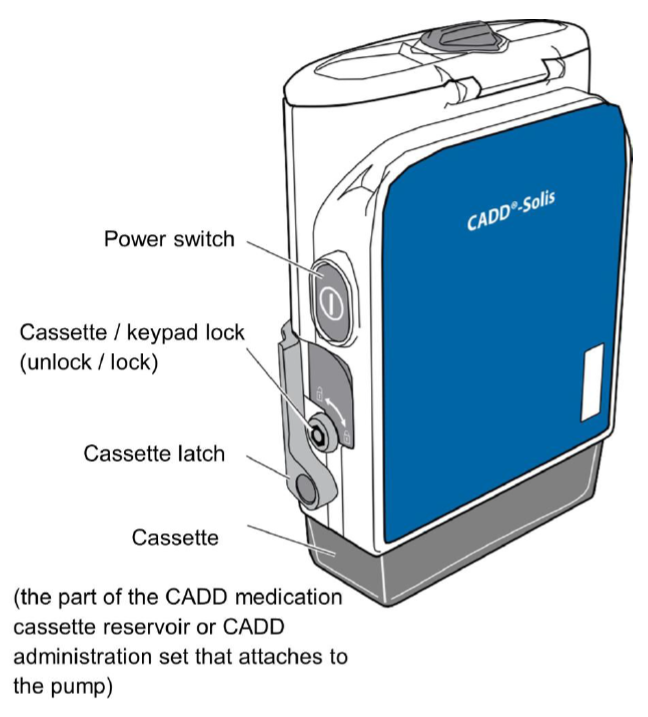
This alarm will sound to advise you that your infusion has been completed. You should turn the CADD pump off completely using the power switch on the right hand side of the pump. The screen will display the message ‘Power down?’. You should select ‘Yes’.
A company which, with its own facilities, performs the primary activities in transforming inorganic or organic substances, including the assembly of parts ...



 Neil
Neil 
 Neil
Neil