
Ferrari Parts from PARTSOURCE - part source parts
You can feel confident managing your treatment at home knowing that your clinician is able to track and adjust your treatment. You will still need to contact your clinician or cycler manufacturer to address urgent concerns during treatment.

Water-JelBurn Kit
If there are any issues during your treatment, your APD cycler will collect data related to this issue, which can then be reviewed by your clinician. The information your cycler sends to the clinic will help them decide on any changes to your treatment.
For the treatment to take place, you need to remain connected to your APD cycler. However, it is possible to temporarily disconnect from the machine if necessary (to go to the bathroom, for example). There is also sometimes longer tubing that allows you more freedom to move around while you are connected to the machine.
Before commencing your APD therapy you will be required to set up your dialysis machine with the required equipment and dialysis solution bags, as prescribed by your healthcare team. You will be taught how to do this by a member of the nursing team. Every patient is different and your APD cycler’s program will be customised to your specific needs.
water-jelburnjelingredients
Every day, millions of patients and caregivers rely on Baxter’s leading portfolio of critical, nutritional, renal, hospital and surgical care products and services. For more than 85 years, we’ve been operating at the critical intersection where innovations that save and sustain lives meet the healthcare providers that make it happen.
Automated peritoneal dialysis (APD) is a home therapy option that is performed using a dialysis machine, which helps to deliver and drain the dialysis solution.
water-jelburn dressing
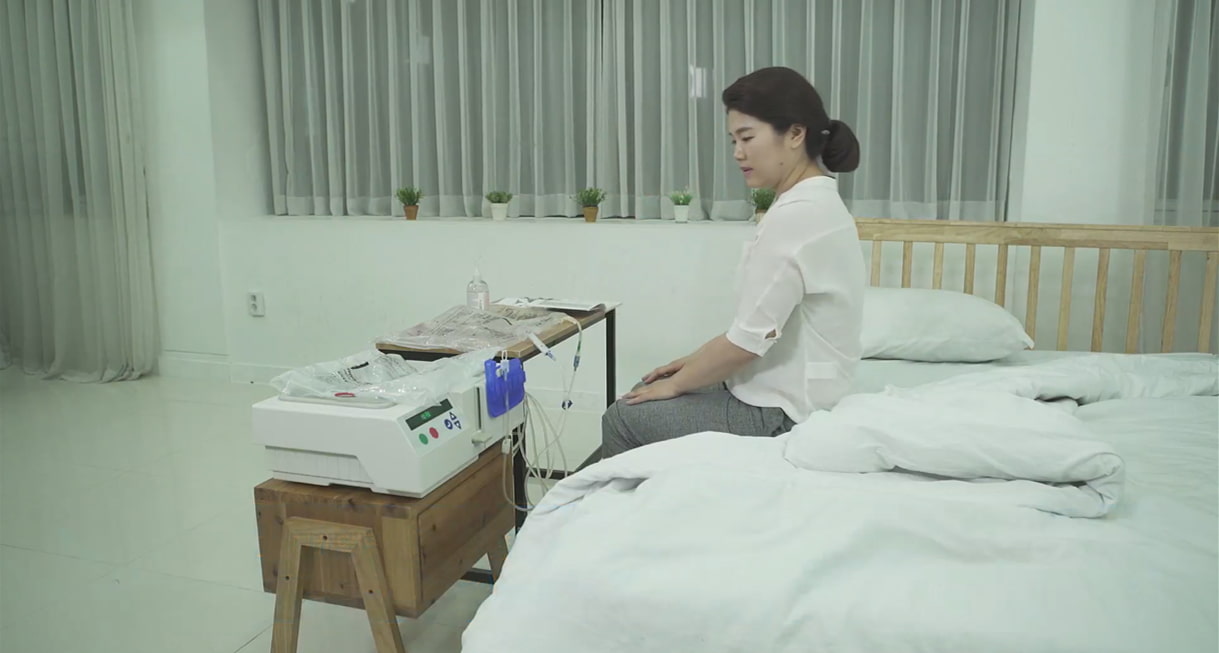
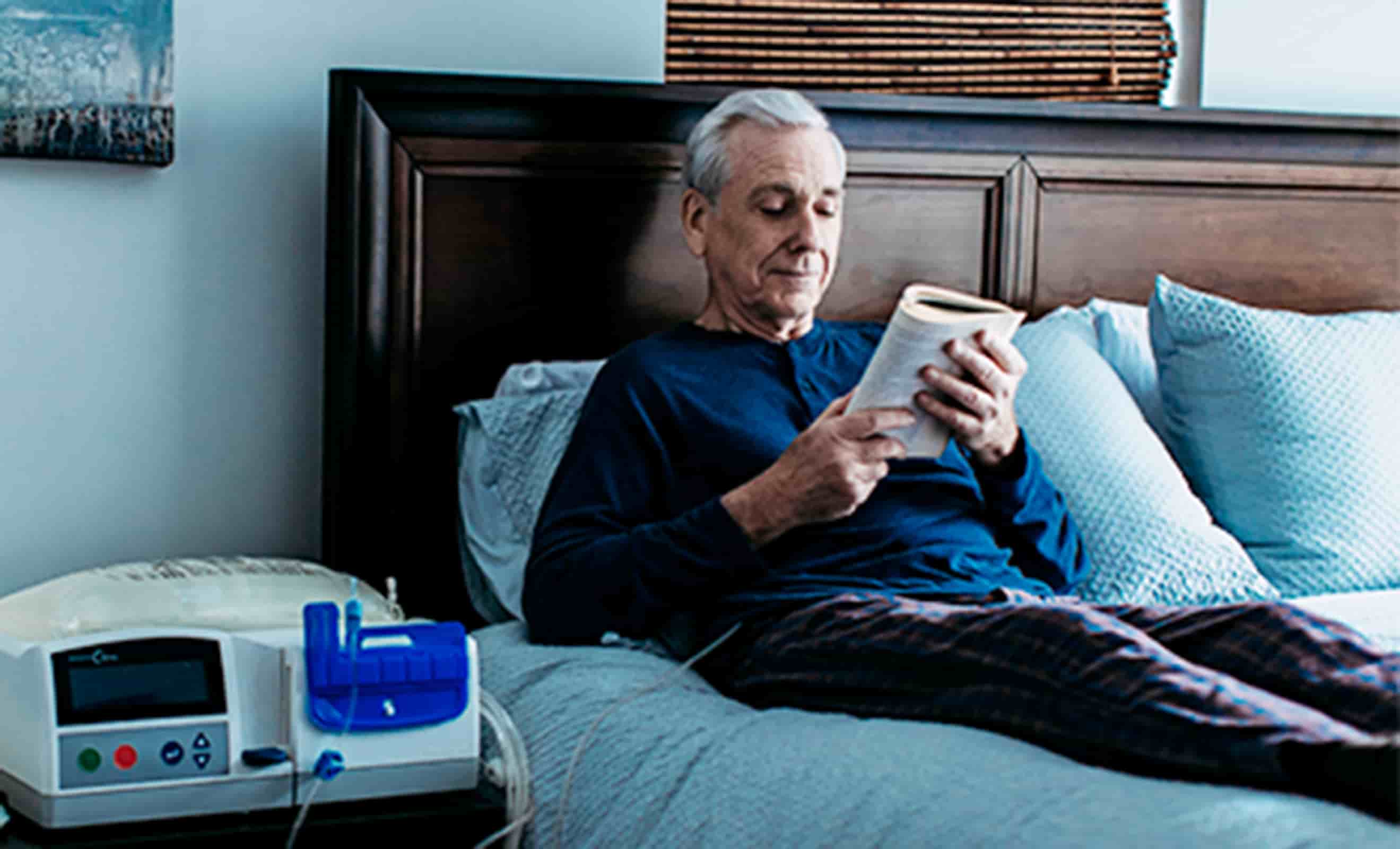
APD is a type of PD that is performed using a dialysis machine, which helps to deliver and drain the dialysis solution automatically. The dialysis machine, also called a cycler, is programmed to provide the exact amount of dialysis prescribed by your clinician. An APD cycle typically takes between 8 and 12 hours and can be performed overnight while you sleep.
As a portable dialysis machine will be placed in your home, there are a few requirements and preparations needed. You may contact your dialysis service provider if you require assistance.
If your APD cycler has remote patient monitoring capabilities, it can collect accurate information about your home treatments daily and send it to your clinician at the hospital or clinic. Your clinician can monitor your therapy progress, change your machine programs remotely and discuss any problems you are having over the phone.
When you settle for bed for the night, you will connect the machine to your catheter (in your abdomen) via a tube from the cycler and in the morning, you will disconnect from your machine.
You will need to prepare your cycler each day and discard the used equipment after your treatment has finished. This time requirement will need to be factored into your schedule.
Not all APD cyclers have remote patient monitoring capabilities, so be sure to talk to your clinician about whether remote patient monitoring fits into your treatment plan.
water-jel technologieswebsite
Sign up now to receive exclusive content on kidney disease, treatment options, lifestyle tips and inspiring patient stories.
Factors such as your age, medical condition, and lifestyle habits may influence how long you stay on PD. There are other options available for you after your PD journey which will be discussed with your doctor.1
APD treatment usually lasts between 8 and 12 hours, depending on your medical and lifestyle requirements. It is typically done while you sleep, giving you the freedom to carry on your normal activities during the day. APD may make it easier than other dialysis options for you to continue working, studying, or socialising during the day. Additional daytime dialysis exchanges may sometimes be required; your clinician will advise you if this is necessary.
Overnight, your dialysis machine will go through multiple cycles of draining used dialysis solution from your abdomen and filling it with fresh solution, leaving this solution in place for a prescribed time (this is called the dwell time). Once the dwell time has completed, your machine will drain the fluid out.



 Neil
Neil 
 Neil
Neil