
4 Best doorbell extender 2024 in the CA - safety technology international wireless door bell extender with receiver
Schieler, B. M. et al. Nitric oxide production and antioxidant function during viral infection of the coccolithophore Emiliania huxleyi. ISME J. 13, 1019–1031 (2019).
Intergovernmental Panel on Climate Change. Climate Change 2014: synthesis report. Contribution of Working Groups I, II and III to the fifth assessment report of the Intergovernmental Panel on Climate Change (IPCC, 2014).
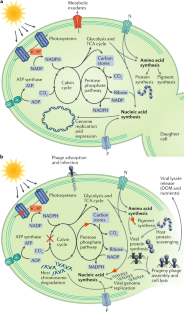
Ecosystems are controlled by ‘bottom-up’ (resources) and ‘top-down’ (predation) forces. Viral infection is now recognized as a ubiquitous top-down control of microbial growth across ecosystems but, at the same time, cell death by viral predation influences, and is influenced by, resource availability. In this Review, we discuss recent advances in understanding the biogeochemical impact of viruses, focusing on how metabolic reprogramming of host cells during lytic viral infection alters the flow of energy and nutrients in aquatic ecosystems. Our synthesis revealed several emerging themes. First, viral infection transforms host metabolism, in part through virus-encoded metabolic genes; the functions performed by these genes appear to alleviate energetic and biosynthetic bottlenecks to viral production. Second, viral infection depends on the physiological state of the host cell and on environmental conditions, which are challenging to replicate in the laboratory. Last, metabolic reprogramming of infected cells and viral lysis alter nutrient cycling and carbon export in the oceans, although the net impacts remain uncertain. This Review highlights the need for understanding viral infection dynamics in realistic physiological and environmental contexts to better predict their biogeochemical consequences.
Van Etten, J. L., Burbank, D. E., Xia, Y. & Meints, R. H. Growth cycle of a virus, PBCV-1, that infects Chlorella-like algae. Virology 126, 117–125 (1983).
Abrahão, J. et al. Tailed giant Tupanvirus possesses the most complete translational apparatus of the known virosphere. Nat. Commun. 9, 749 (2018).
Kendrick, B. J. et al. Temperature-induced viral resistance in Emiliania huxleyi (Prymnesiophyceae). PLOS ONE 9, e112134 (2014).
Reimers, A.-M., Knoop, H., Bockmayr, A. & Steuer, R. Cellular trade-offs and optimal resource allocation during cyanobacterial diurnal growth. Proc. Natl Acad. Sci. USA 114, E6457–E6465 (2017).
Maat, D. S., de Blok, R. & Brussaard, C. P. D. Combined phosphorus limitation and light stress prevent viral proliferation in the phytoplankton species Phaeocystis globosa, but not in Micromonas pusilla. Front. Mar. Sci. 3, 160 (2016).
Stock, C. A., Dunne, J. P. & John, J. G. Global-scale carbon and energy flows through the marine planktonic food web: an analysis with a coupled physical–biological model. Prog. Oceanogr. 120, 1–28 (2014).
Ankrah, N. Y. D. et al. Phage infection of an environmentally relevant marine bacterium alters host metabolism and lysate composition. ISME J. 8, 1089–1100 (2014). This paper uses metabolomics to quantify redirection of metabolic fluxes during phage infection of a marine α-proteobacterium, and consequent compositional alteration of dissolved material released by lysis.
Poorvin, L., Rinta-Kanto, J. M., Hutchins, D. A. & Wilhelm, S. W. Viral release of iron and its bioavailability to marine plankton. Limnol. Oceanogr. 49, 1734–1741 (2004).
Rosenwasser, S. et al. Unmasking cellular response of a bloom-forming alga to viral infection by resolving expression profiles at a single-cell level. PLOS Pathog. 15, e1007708 (2019).
Yoshida, T. et al. Locality and diel cycling of viral production revealed by a 24 h time course cross-omics analysis in a coastal region of Japan. ISME J. 12, 1287–1295 (2018).
Evans, C. & Wilson, W. H. Preferential grazing of Oxyrrhis marina on virus-infected Emiliania huxleyi. Limnol. Oceanogr. 53, 2035–2040 (2008).
Lindell, D., Jaffe, J. D., Johnson, Z. I., Church, G. M. & Chisholm, S. W. Photosynthesis genes in marine viruses yield proteins during host infection. Nature 438, 86–89 (2005).
Mistry, B. A., D’Orsogna, M. R. & Chou, T. The effects of statistical multiplicity of infection on virus quantification and infectivity assays. Biophys. J. 114, 2974–2985 (2018).
Lindell, D. et al. Genome-wide expression dynamics of a marine virus and host reveal features of co-evolution. Nature 449, 83–86 (2007).
Cseke, C. S. & Farkas, G. L. Effect of light on the attachment of cyanophage AS-1 to Anacystis nidulans. J. Bacteriol. 137, 667–669 (1979).
Puxty, R. J., Evans, D. J., Millard, A. D. & Scanlan, D. J. Energy limitation of cyanophage development: implications for marine carbon cycling. ISME J. 12, 1273–1286 (2018). This study demonstrates that cyanophages modulate expression of photosynthesis-related accessory metabolic genes in response to light intensity, suggesting energy limitation of phage productivity and a basis for diel and seasonal patterns of virus-induced mortality.
Bonnain, C., Breitbart, M. & Buck, K. N. The ferrojan horse hypothesis: iron–virus interactions in the ocean. Front. Mar. Sci. 3, 82 (2016).
Talmy, D. et al. An empirical model of carbon flow through marine viruses and microzooplankton grazers. Environ. Microbiol. 21, 2171–2181 (2019). Using an empirically parameterized model constrained by estimates of prey, predator and viral life history traits, this study calculates carbon flows from primary producers to viruses, grazers and lysates in a marine ecosystem.
Yamada, Y., Tomaru, Y., Fukuda, H. & Nagata, T. Aggregate formation during the viral lysis of a marine diatom. Front. Mar. Sci. 5, 167 (2018).
Puxty, R. J., Millard, A. D., Evans, D. J. & Scanlan, D. J. Viruses inhibit CO2 fixation in the most abundant phototrophs on Earth. Curr. Biol. 26, 1585–1589 (2016).
Nissimov, J. I. et al. Biochemical diversity of glycosphingolipid biosynthesis as a driver of Coccolithovirus competitive ecology. Environ. Microbiol. 21, 2182–2197 (2019).
Ahlgren, N. A., Fuchsman, C. A., Rocap, G. & Fuhrman, J. A. Discovery of several novel, widespread, and ecologically distinct marine Thaumarchaeota viruses that encode amoC nitrification genes. ISME J. 13, 618–631 (2018).
Vermont, A. I. et al. Virus infection of Emiliania huxleyi deters grazing by the copepod Acartia tonsa. J. Plankton Res. 38, 1194–1205 (2016).
Kimura, S. et al. Diurnal infection patterns and impact of Microcystis cyanophages in a Japanese pond. Appl. Environ. Microbiol. 78, 5805–5811 (2012).
Hunter, J. E., Frada, M. J., Fredricks, H. F., Vardi, A. & Van Mooy, B. A. S. Targeted and untargeted lipidomics of Emiliania huxleyi viral infection and life cycle phases highlights molecular biomarkers of infection, susceptibility, and ploidy. Front. Mar. Sci. 2, 81 (2015).
Abedon, S. T. Phage therapy dosing: the problem(s) with multiplicity of infection (MOI). Bacteriophage 6, e1220348 (2016).
Thompson, L. R. et al. Phage auxiliary metabolic genes and the redirection of cyanobacterial host carbon metabolism. Proc. Natl Acad. Sci. USA 108, E757–E764 (2011). This paper shows that cyanophages encode a Calvin cycle inhibitor and transaldolase with enzymological properties different from their host homologues, demonstrating the importance of the pentose phosphate pathway during infection.
Coy, S., Gann, E., Pound, H., Short, S. & Wilhelm, S. Viruses of eukaryotic algae: diversity, methods for detection, and future directions. Viruses 10, 487 (2018).
Needham, D. M. et al. A distinct lineage of giant viruses brings a rhodopsin photosystem to unicellular marine predators. Proc. Natl Acad. Sci. USA 116, 20574–20583 (2019).
Lindell, D. et al. Transfer of photosynthesis genes to and from Prochlorococcus viruses. Proc. Natl Acad. Sci. USA 101, 11013–11018 (2004).
The uppermost layer of water in a lake or ocean characterized by enough sunlight to support photosynthetic carbon fixation.
Wilson, W. H. et al. Complete genome sequence and lytic phase transcription profile of a Coccolithovirus. Science 309, 1090–1092 (2005).
Adolph, K. W. & Haselkorn, R. Photosynthesis and the development of blue–green algal virus N-1. Virology 47, 370–374 (1972).
Brum, J. R., Hurwitz, B. L., Schofield, O., Ducklow, H. W. & Sullivan, M. B. Seasonal time bombs: dominant temperate viruses affect southern ocean microbial dynamics. ISME J. 10, 437–449 (2016).
Shelford, E. J., Middelboe, M., Møller, E. F. & Suttle, C. A. Virus-driven nitrogen cycling enhances phytoplankton growth. Aquat. Microb. Ecol. 66, 41–46 (2012).
Thank you for visiting nature.com. You are using a browser version with limited support for CSS. To obtain the best experience, we recommend you use a more up to date browser (or turn off compatibility mode in Internet Explorer). In the meantime, to ensure continued support, we are displaying the site without styles and JavaScript.
Morimoto, D., Kimura, S., Sako, Y. & Yoshida, T. Transcriptome analysis of a bloom-forming cyanobacterium Microcystis aeruginosa during Ma-LMM01 phage infection. Front. Microbiol. 9, 2 (2018).
Reistetter, E. N. et al. Effects of phosphorus starvation versus limitation on the marine cyanobacterium Prochlorococcus MED4 II: gene expression. Environ. Microbiol. 15, 2129–2143 (2013).
Heal, K. R. et al. Two distinct pools of B12 analogs reveal community interdependencies in the ocean. Proc. Natl Acad. Sci. USA 114, 364–369 (2017).
Thomas, R. et al. Acquisition and maintenance of resistance to viruses in eukaryotic phytoplankton populations. Environ. Microbiol. 13, 1412–1420 (2011).
Deeg, C. M., Chow, C. E. T. & Suttle, C. A. The kinetoplastid-infecting Bodo saltans virus (Bsv), a window into the most abundant giant viruses in the sea. eLife 7, e33014 (2018).
Clasen, J. L. & Elser, J. J. The effect of host Chlorella NC64A carbon:phosphorus ratio on the production of Paramecium bursaria Chlorella Virus-1. Freshw. Biol. 52, 112–122 (2007).
Waldbauer, J. R. et al. Nitrogen sourcing during viral infection of marine cyanobacteria. Proc. Natl Acad. Sci. USA 116, 15590–15595 (2019). This proteomics study quantitatively tracks nitrogen incorporation during phage infection of Synechococcus, showing that substantial amounts of phage protein nitrogen are acquired from the environment after infection begins and incorporated via de novo amino acid synthesis.
Derelle, E. et al. Diversity of viruses infecting the green microalga Ostreococcus lucimarinus. J. Virol. 89, 5812–5821 (2015).
Nadel, O. et al. Uncultured marine cyanophages encode for active NblA, phycobilisome proteolysis adaptor protein. Preprint at bioRxiv https://doi.org/10.1101/494369 (2018).
Rosenwasser, S. et al. Rewiring host lipid metabolism by large viruses determines the fate of Emiliania huxleyi, a bloom-forming alga in the ocean. Plant Cell 26, 2689–2707 (2014).
Gasper, R. et al. Distinct features of cyanophage-encoded T-type phycobiliprotein lyase ΦCpeT: the role of auxiliary metabolic genes. J. Biol. Chem. 292, 3089–3098 (2017).
Schvarcz, C. R. & Steward, G. F. A giant virus infecting green algae encodes key fermentation genes. Virology 518, 423–433 (2018).
Ignacio-Espinoza, J. C. & Sullivan, M. B. Phylogenomics of T4 cyanophages: lateral gene transfer in the ‘core’ and origins of host genes. Environ. Microbiol. 14, 2113–2126 (2012).
Ledermann, B., Béjà, O. & Frankenberg-Dinkel, N. New biosynthetic pathway for pink pigments from uncultured oceanic viruses. Environ. Microbiol. 18, 4337–4347 (2016).
Kranzler, C. F. et al. Silicon limitation facilitates virus infection and mortality of marine diatoms. Nat. Microbiol. https://doi.org/10.1038/s41564-019-0502-x (2019). Using both cultured isolates and field observations, this study shows that silicon stress can accelerate virus-induced mortality of marine diatoms, potentially promoting nutrient recycling via the viral shunt.
Bremer, H. et al. Escherichia Coli and Salmonella: Cellular and Molecular Biology 2nd edn Vol. 2 (eds Neidhardt, F. C. et al.) 1553–1569 (ASM Press, 1996).
Hyman, P. & Abedon, S. T. in Bacteriophages. Methods and Protocols, Volume 1: Isolation, Characterization, and Interaction (eds Clokie, M. R. J. & Kropinski, A. M.) 175–202 (Humana Press, 2009).
Monier, A. et al. Host-derived viral transporter protein for nitrogen uptake in infected marine phytoplankton. Proc. Natl Acad. Sci. USA 114, E7489–E7498 (2017). This study reports the first nitrogen transport gene in an algal virus isolate and shows that it enables uptake of ammonium as well as organic nitrogen substrates.
Roux, S. et al. Ecology and evolution of viruses infecting uncultivated SUP05 bacteria as revealed by single-cell- and meta-genomics. eLife 3, e03125 (2014).
Maat, D. S. et al. Characterization and temperature dependence of arctic Micromonas polaris viruses. Viruses 9, 134 (2017).
Fischer, M. G., Allen, M. J., Wilson, W. H. & Suttle, C. A. Giant virus with a remarkable complement of genes infects marine zooplankton. Proc. Natl Acad. Sci. USA 107, 19508–19513 (2010).
Thompson, L. R., Zeng, Q. & Chisholm, S. W. Gene expression patterns during light and dark infection of Prochlorococcus by cyanophage. PLOS ONE 11, e0165375 (2016).
Motegi, C. et al. Viral control of bacterial growth efficiency in marine pelagic environments. Limnol. Oceanogr. 54, 1901–1910 (2009).
This work was supported by the Gordon & Betty Moore Foundation Marine Microbiology Initiative (Award 3305). Additional support was provided by the National Science Foundation Division of Ocean Sciences (NSF-OCE) (Awards 1536989 and 1829831 to M.B.S.), the Simons Foundation (Awards 32910 to S.J. and 402971 to J.R.W.) and the Gordon & Betty Moore Foundation (Awards 3788 to A.Z.W. and 3790 to M.B.S.).
Wikner, J., Vallino, J. J., Steward, G. F., Smith, D. C. & Azam, F. Nucleic acids from the host bacterium as a major source of nucleotides for three marine bacteriophages. FEMS Microbiol. Ecol. 12, 237–248 (1993).
Kirzner, S., Barak, E. & Lindell, D. Variability in progeny production and virulence of cyanophages determined at the single-cell level. Environ. Microbiol. Rep. 8, 605–613 (2016).
Maat, D. S. & Brussaard, C. P. D. Both phosphorus and nitrogen limitation constrain viral proliferation in marine phytoplankton. Aquat. Microb. Ecol. 77, 87–97 (2016).
Slagter, H. A., Gerringa, L. J. A. & Brussaard, C. P. D. Phytoplankton virus production negatively affected by iron limitation. Front. Mar. Sci. 3, 156 (2016).
Obeng, N., Pratama, A. A. & Elsas, J. D. van. The significance of mutualistic phages for bacterial ecology and evolution. Trends Microbiol. 24, 440–449 (2016).
Weitz, J. S. et al. A multitrophic model to quantify the effects of marine viruses on microbial food webs and ecosystem processes. ISME J. 9, 1352–1364 (2015).
Bertilsson, S., Berglund, O., Karl, D. M. & Chisholm, S. W. Elemental composition of marine Prochlorococcus and Synechococcus: implications for the ecological stoichiometry of the sea. Limnol. Oceanogr. 48, 1721–1731 (2003).
Deng, L. et al. Grazing of heterotrophic flagellates on viruses is driven by feeding behaviour. Environ. Microbiol. Rep. 6, 325–330 (2014).
Claverie, J.-M. & Abergel, C. Mimiviridae: an expanding family of highly diverse large dsDNA viruses infecting a wide phylogenetic range of aquatic eukaryotes. Viruses 10, 506 (2018).
Mackenzie, J. J. & Haselkorn, R. Photosynthesis and the development of blue–green algal virus SM-1. Virology 49, 517–521 (1972).
Schleyer, G. et al. In plaque-mass spectrometry imaging of a bloom-forming alga during viral infection reveals a metabolic shift towards odd-chain fatty acid lipids. Nat. Microbiol. 4, 527–538 (2019).
Malits, A., Christaki, U., Obernosterer, I. & Weinbauer, M. G. Enhanced viral production and virus-mediated mortality of bacterioplankton in a natural iron-fertilized bloom event above the kerguelen plateau. Biogeosciences 11, 6841–6853 (2014).
Moore, J. K., Doney, S. C. & Lindsay, K. Upper ocean ecosystem dynamics and iron cycling in a global three-dimensional model. Glob. Biogeochem. Cycles 18, GB4028 (2004).
Thamatrakoln, K. et al. Light regulation of coccolithophore host–virus interactions. New Phytol. 221, 1289–1302 (2019). Based on photophysiology and biochemical measurements during E. huxleyi viral infection, this study suggests that viral replication is controlled by a light-dependent trade-off between host nucleotide recycling and de novo synthesis.
Doron, S. et al. Systematic discovery of antiphage defense systems in the microbial pangenome. Science 359, eaar4120 (2018).
Croft, M. T., Lawrence, A. D., Raux-Deery, E., Warren, M. J. & Smith, A. G. Algae acquire vitamin B12 through a symbiotic relationship with bacteria. Nature 438, 90–93 (2005).
Falkowski, P. G., Fenchel, T. & DeLong, E. F. The microbial engines that drive Earth’s biogeochemical cycles. Science 320, 1034–1039 (2008).
Dammeyer, T., Bagby, S. C., Sullivan, M. B., Chisholm, S. W. & Frankenberg-Dinkel, N. Efficient phage-mediated pigment biosynthesis in oceanic cyanobacteria. Curr. Biol. 18, 442–448 (2008).
Hadas, H., Einav, M., Fishov, I. & Zaritsky, A. Bacteriophage T4 development depends on the physiology of its host Escherichia coli. Microbiology 143, 179–185 (1997).
Kelly, L., Ding, H., Huang, K. H., Osburne, M. S. & Chisholm, S. W. Genetic diversity in cultured and wild marine cyanomyoviruses reveals phosphorus stress as a strong selective agent. ISME J. 7, 1827–1841 (2013).
Middelboe, M., Jørgensen, N. O. G. & Kroer, N. Effects of viruses on nutrient turnover and growth efficiency of noninfected marine bacterioplankton. Appl. Environ. Microbiol. 62, 1991–1997 (1996).
Nissimov, J. I. et al. Dynamics of transparent exopolymer particle (TEP) production and aggregation during viral infection of the coccolithophore, Emiliania huxleyi. Environ. Microbiol. 20, 2880–2897 (2018).
Kozloff, L. M. & Putnam, F. W. Biochemical studies of virus reproduction: III. The origin of virus phosphorus in the Escherichia coli T6 bacteriophage system. J. Biol. Chem. 182, 229–242 (1950).
Clokie, M. R. J. et al. Transcription of a ‘photosynthetic’ T4-type phage during infection of a marine cyanobacterium. Environ. Microbiol. 8, 827–835 (2006).
Mahmoudabadi, G., Milo, R. & Phillips, R. The energetic cost of building a virus. Proc. Natl Acad. Sci. USA 114, E4324–E4333 (2017).
Lønborg, C., Middelboe, M. & Brussaard, C. P. D. Viral lysis of Micromonas pusilla: impacts on dissolved organic matter production and composition. Biogeochemistry 116, 231–240 (2013).
Laber, C. P. et al. Coccolithovirus facilitation of carbon export in the North Atlantic. Nat. Microbiol. 3, 537–547 (2018). This field study marshals an array of evidence to provide some of the first direct measurements of the effects of viral infection on large-scale carbon export in a natural marine ecosystem.
Fridman, S. et al. A myovirus encoding both photosystem I and II proteins enhances cyclic electron flow in infected Prochlorococcus cells. Nat. Microbiol. 2, 1350–1357 (2017).
Bachy, C. et al. Transcriptional responses of the marine green alga Micromonas pusilla and an infecting prasinovirus under different phosphate conditions. Environ. Microbiol. 20, 2898–2912 (2018).
Liu, R., Liu, Y., Chen, Y., Zhan, Y. & Zeng, Q. Cyanobacterial viruses exhibit diurnal rhythms during infection. Proc. Natl Acad. Sci. USA 116, 14077–14082 (2019). This paper shows distinct diel-dependent life history traits in three Prochlorococcus phages, and that rhythmic phage transcription is linked to the photosynthetic activity of the host.
Puxty, R. J., Millard, A. D., Evans, D. J. & Scanlan, D. J. Shedding new light on viral photosynthesis. Photosynth. Res. 126, 71–97 (2015).
Brum, J. R. & Sullivan, M. B. Rising to the challenge: accelerated pace of discovery transforms marine virology. Nat. Rev. Microbiol. 13, 147–159 (2015).
Sign up for the Nature Briefing: Microbiology newsletter — what matters in microbiology research, free to your inbox weekly.
Lawrence, J. et al. Viruses on the menu: the appendicularian Oikopleura dioica efficiently removes viruses from seawater. Limnol. Oceanogr. 63, S244–S253 (2018).
Zeng, Q. & Chisholm, S. W. Marine viruses exploit their host’s two-component regulatory system in response to resource limitation. Curr. Biol. 22, 124–128 (2012).
Luo, E., Aylward, F. O., Mende, D. R. & Delong, E. F. Bacteriophage distributions and temporal variability in the ocean’s interior. mBio 8, e01903–e01917 (2017).
Gerringa, L. J. A., de Baar, H. J. W. & Timmermans, K. R. A comparison of iron limitation of phytoplankton in natural oceanic waters and laboratory media conditioned with EDTA. Mar. Chem. 68, 335–346 (2000).
Fuhrman, J. A., Schwalbach, M. S. & Stingl, U. Proteorhodopsins: an array of physiological roles? Nat. Rev. Microbiol. 6, 488–494 (2008).
Hellweger, F. L. Carrying photosynthesis genes increases ecological fitness of cyanophage in silico. Environ. Microbiol. 11, 1386–1394 (2009).
Piedade, G. J., Wesdorp, E. M., Montenegro-Borbolla, E., Maat, D. S. & Brussaard, C. P. D. Influence of irradiance and temperature on the virus MpoV-45T infecting the arctic picophytoplankter Micromonas polaris. Viruses 10, 676 (2018).
Ma, X., Coleman, M. L. & Waldbauer, J. R. Distinct molecular signatures in dissolved organic matter produced by viral lysis of marine cyanobacteria. Environ. Microbiol. 20, 3001–3011 (2018).
Tetu, S. G. et al. Microarray analysis of phosphate regulation in the marine cyanobacterium Synechococcus sp. WH8102. ISME J. 3, 835–849 (2009).
Brown, C. M., Lawrence, J. E. & Campbell, D. A. Are phytoplankton population density maxima predictable through analysis of host and viral genomic DNA content? J. Mar. Biol. Assoc. UK 86, 491–498 (2006).
Cheng, Y. S., Labavitch, J. & VanderGheynst, J. S. Organic and inorganic nitrogen impact Chlorella variabilis productivity and host quality for viral production and cell lysis. Appl. Biochem. Biotechnol. 176, 467–479 (2015).
Nature Reviews Microbiology thanks K. Bidle and the other, anonymous, reviewer(s) for their contribution to the peer review of this work.
Santini, S. et al. Genome of Phaeocystis globosa virus PgV-16T highlights the common ancestry of the largest known DNA viruses infecting eukaryotes. Proc. Natl Acad. Sci. USA 110, 10800–10805 (2013).
Zimmerman, A.E., Howard-Varona, C., Needham, D.M. et al. Metabolic and biogeochemical consequences of viral infection in aquatic ecosystems. Nat Rev Microbiol 18, 21–34 (2020). https://doi.org/10.1038/s41579-019-0270-x
Kolody, B. C. et al. Diel transcriptional response of a California Current plankton microbiome to light, low iron, and enduring viral infection. ISME J. 13, 2817–2833 (2019).
You, L., Suthers, P. F. & Yin, J. Effects of Escherichia coli physiology on growth of phage T7 in vivo and in silico. J. Bacteriol. 184, 1888–1894 (2002).
Jia, Y., Shan, J., Millard, A., Clokie, M. R. J. & Mann, N. H. Light-dependent adsorption of photosynthetic cyanophages to Synechococcus sp. WH7803. FEMS Microbiol. Lett. 310, 120–126 (2010).
Mackinder, L. C. M. et al. A unicellular algal virus, Emiliania huxleyi virus 86, exploits an animal-like infection strategy. J. Gen. Virol. 90, 2306–2316 (2009).
Ziv, C. et al. Viral serine palmitoyltransferase induces metabolic switch in sphingolipid biosynthesis and is required for infection of a marine alga. Proc. Natl Acad. Sci. USA 113, E1907–E1916 (2016).
Martiny, A. C. et al. Strong latitudinal patterns in the elemental ratios of marine plankton and organic matter. Nat. Geosci. 6, 279–283 (2013).
Ledermann, B. et al. Evolution and molecular mechanism of four-electron reducing ferredoxin-dependent bilin reductases from oceanic phages. FEBS J. 285, 339–356 (2018).
Kao, C. C., Green, S., Stein, B. & Golden, S. S. Diel infection of a cyanobacterium by a contractile bacteriophage. Appl. Environ. Microbiol. 71, 4276–4279 (2005).
Suttle, C. A. & Chen, F. Mechanisms and rates of decay of marine viruses in seawater. Appl. Environ. Microbiol. 58, 3721–3729 (1992).
Mai-Prochnow, A. et al. ‘Big things in small packages: the genetics of filamentous phage and effects on fitness of their host’. FEMS Microbiol. Rev. 39, 465–487 (2015).
Roux, S. et al. Ecogenomics and potential biogeochemical impacts of globally abundant ocean viruses. Nature 537, 689–693 (2016).
Allen, M. J. et al. Locus-specific gene expression pattern suggests a unique propagation strategy for a giant algal virus. J. Virol. 80, 7699–7705 (2006).
Ginzburg, D., Padan, E. & Shilo, M. Effect of cyanophage infection on CO2 photoassimilation in Plectonema boryanum. J. Virol. 2, 695–701 (1968).
Howard-Varona, C. et al. Regulation of infection efficiency in a globally abundant marine Bacteriodetes virus. ISME J. 11, 284–295 (2017).
Shah, V., Chang, B. X. & Morris, R. M. Cultivation of a chemoautotroph from the SUP05 clade of marine bacteria that produces nitrite and consumes ammonium. ISME J. 11, 263–271 (2017).
Sieradzki, E. T., Ignacio-Espinoza, J. C., Needham, D. M., Fichot, E. B. & Fuhrman, J. A. Dynamic marine viral infections and major contribution to photosynthetic processes shown by regional and seasonal picoplankton metatranscriptomes. Nat. Commun. 10, 1169 (2019).
Guo, J. et al. Specialized proteomic responses and an ancient photoprotection mechanism sustain marine green algal growth during phosphate limitation. Nat. Microbiol. 3, 781–790 (2018).
Koonin, E. V., Makarova, K. S. & Wolf, Y. I. Evolutionary genomics of defense systems in Archaea and Bacteria. Annu. Rev. Microbiol. 71, 233–261 (2017).
Lin, X., Ding, H. & Zeng, Q. Transcriptomic response during phage infection of a marine cyanobacterium under phosphorus-limited conditions. Environ. Microbiol. 18, 450–460 (2016).
Schatz, D. et al. Hijacking of an autophagy-like process is critical for the life cycle of a DNA virus infecting oceanic algal blooms. New Phytol. 204, 854–863 (2014).
Baudoux, A.-C. & Brussaard, C. P. D. Influence of irradiance on virus–algal host interactions. J. Phycol. 44, 902–908 (2008).
Martiny, A. C., Coleman, M. L. & Chisholm, S. W. Phosphate acquisition genes in Prochlorococcus ecotypes: evidence for genome-wide adaptation. Proc. Natl Acad. Sci. USA 103, 12552–12557 (2006).
Malitsky, S. et al. Viral infection of the marine alga Emiliania huxleyi triggers lipidome remodeling and induces the production of highly saturated triacylglycerol. New Phytol. 210, 88–96 (2016).
Waters, R. E. & Chan, A. T. Micromonas pusilla virus: the virus growth cycle and associated physiological events within the host cells; host range mutation. J. Gen. Virol. 63, 199–206 (1982).
Dang, V. T., Howard-Varona, C., Schwenck, S. & Sullivan, M. B. Variably lytic infection dynamics of large Bacteroidetes podovirus phi38:1 against two Cellulophaga baltica host strains. Environ. Microbiol. 17, 4659–4671 (2015).
Feiner, R. et al. A new perspective on lysogeny: prophages as active regulatory switches of bacteria. Nat. Rev. Microbiol. 13, 641–650 (2015).
Monier, A. et al. Phosphate transporters in marine phytoplankton and their viruses: cross-domain commonalities in viral–host gene exchanges. Environ. Microbiol. 14, 162–176 (2012).
Bratbak, G., Jacobsen, A., Heldal, M., Nagasaki, K. & Thingstad, T. F. Virus production in Phaeocystis pouchetii and its relation to host cell growth and nutrition. Aquat. Microb. Ecol. 16, 1–9 (1998).
Weitz, J. S., Li, G., Gulbudak, H., Cortez, M. H. & Whitaker, R. J. Viral invasion fitness across a continuum from lysis to latency. Virus Evol. 5, vez006 (2019).
Pushkarev, A. et al. A distinct abundant group of microbial rhodopsins discovered using functional metagenomics. Nature 558, 595–599 (2018).
Sullivan, M. B. et al. Genomic analysis of oceanic cyanobacterial myoviruses compared with T4-like myoviruses from diverse hosts and environments. Environ. Microbiol. 12, 3035–3056 (2010).
Crummett, L. T., Puxty, R. J., Weihe, C., Marston, M. F. & Martiny, J. B. H. The genomic content and context of auxiliary metabolic genes in marine cyanomyoviruses. Virology 499, 219–229 (2016).
Jover, L. F., Effler, T. C., Buchan, A., Wilhelm, S. W. & Weitz, J. S. The elemental composition of virus particles: implications for marine biogeochemical cycles. Nat. Rev. Microbiol. 12, 519–528 (2014).
Gobler, C. J., Hutchins, D. A., Fisher, N. S., Cosper, E. M. & Sanudo-Wilhelmy, S. A. Release and bioavailability of C, N, P, Se, and Fe following viral lysis of a marine chrysophyte. Limnol. Oceanogr. 42, 1492–1504 (1997).
Kim, J.-G. et al. Spindle-shaped viruses infect marine ammonia-oxidizing thaumarchaea. Proc. Natl Acad. Sci. USA 116, 15645–15650 (2019). This study presents the first reported isolation of viruses infecting widespread marine archaea, demonstrating the continuation of ammonium oxidation activity during infection and a chronic infection strategy distinct from that of the lytic bacteriophage.
Stent, G. S. & Maaløe, O. Radioactive phosphorus tracer studies on the reproduction of T4 bacteriophage. Biochim. Biophys. Acta 10, 55–69 (1953).
Ou, T., Gao, X. C., Li, S. H. & Zhang, Q. Y. Genome analysis and gene nblA identification of Microcystis aeruginosa myovirus (MaMV-DC) reveal the evidence for horizontal gene transfer events between cyanomyovirus and host. J. Gen. Virol. 96, 3681–3697 (2015).
Moniruzzaman, M. et al. Genome of brown tide virus (AaV), the little giant of the Megaviridae, elucidates NCLDV genome expansion and host–virus coevolution. Virology 466–467, 60–70 (2014).
(TEP). A sticky, gel-like particle consisting predominantly of acidic polysaccharides that originate from microorganisms and can enhance the aggregation of non-sticky particles in marine and aquatic ecosystems.
Bryan, D., El-Shibiny, A., Hobbs, Z., Porter, J. & Kutter, E. M. Bacteriophage T4 infection of stationary phase E. coli: life after log from a phage perspective. Front. Microbiol. 7, 1391 (2016).
Brüssow, H., Canchaya, C. & Hardt, W.-D. Phages and the evolution of bacterial pathogens: from genomic rearrangements to lysogenic conversion. Microbiol. Mol. Biol. Rev. 68, 560–602 (2004).
Howard-Varona, C. et al. Multiple mechanisms drive phage infection efficiency in nearly identical hosts. ISME J. 12, 1605–1618 (2018).
Hurwitz, B. L. & U’Ren, J. M. Viral metabolic reprogramming in marine ecosystems. Curr. Opin. Microbiol. 31, 161–168 (2016).
Aylward, F. O. et al. Diel cycling and long-term persistence of viruses in the ocean’s euphotic zone. Proc. Natl Acad. Sci. USA 114, 11446–11451 (2017).
Brown, C. M. & Bidle, K. D. Attenuation of virus production at high multiplicities of infection in Aureococcus anophagefferens. Virology 466–467, 71–81 (2014).
Grossman, A. R., Schaefer, M. R., Chiang, G. G. & Collier, J. L. The phycobilisome, a light-harvesting complex responsive to environmental conditions. Microbiol. Rev. 57, 725–749 (1993).
Maat, D. S., Crawfurd, K. J., Timmermans, K. R. & Brussaard, C. P. D. Elevated CO2 and phosphate limitation favor Micromonas pusilla through stimulated growth and reduced viral impact. Appl. Environ. Microbiol. 80, 3119–3127 (2014).
Aumont, O., Ethé, C., Tagliabue, A., Bopp, L. & Gehlen, M. PISCES-v2: an ocean biogeochemical model for carbon and ecosystem studies. Geosci. Model. Dev. 8, 2465–2513 (2015).
Sharma, A. K., Spudich, J. L. & Doolittle, W. F. Microbial rhodopsins: functional versatility and genetic mobility. Trends Microbiol. 14, 463–469 (2006).
Wilson, W. H., Carr, N. G. & Mann, N. H. The effect of phosphate status on the kinetics of cyanophage infection in the oceanic cyanobacterium Synechococcus sp. WH7803. J. Phycol. 32, 506–516 (1996).
Pasulka, A. L. et al. Interrogating marine virus–host interactions and elemental transfer with BONCAT and nanoSIMS-based methods. Environ. Microbiol. 20, 671–692 (2018).
Mateus, M. D. Bridging the gap between knowing and modeling viruses in marine systems — an upcoming frontier. Front. Mar. Sci. 3, 284 (2017).
Breitbart, M. et al. Genomic analysis of uncultured marine viral communities. Proc. Natl Acad. Sci. USA 99, 14250–14255 (2002).
Moniruzzaman, M., Gann, E. R. & Wilhelm, S. W. Infection by a giant virus (AaV) induces widespread physiological reprogramming in Aureococcus anophagefferens CCMP1984-A harmful bloom algae. Front. Microbiol. 9, 752 (2018).
Bragg, J. G. & Chisholm, S. W. Modeling the fitness consequences of a cyanophage-encoded photosynthesis gene. PLOS ONE 3, e3550 (2008).
A membrane complex of several proteins, pigments and other cofactors that performs the principal energy conversion reactions of photosynthesis, capturing light energy and converting it into redox potential energy for ATP synthesis and reducing power for reduction of CO2; also known as the photosynthetic reaction centre.
Mayer, J. A. & Taylor, F. J. R. A virus which lyses the marine nanoflagellate Micromonas pusilla. Nature 281, 299–301 (1979).
Jiao, N. et al. Microbial production of recalcitrant dissolved organic matter: long-term carbon storage in the global ocean. Nat. Rev. Microbiol. 8, 593–599 (2010).
Photosynthetic pigments found in cyanobacteria and the chloroplasts of red algae and glaucophytes that aid in absorption of light energy, particularly at wavelengths that are not well absorbed by chlorophylls or carotenoids.
Krupovic, M., Cvirkaite-Krupovic, V., Iranzo, J., Prangishvili, D. & Koonin, E. V. Viruses of archaea: structural, functional, environmental and evolutionary genomics. Virus Res. 244, 181–193 (2018).
López-Pérez, M., Haro-Moreno, J. M., de la Torre, J. R. & Rodriguez-Valera, F. Novel caudovirales associated with Marine Group I Thaumarchaeota assembled from metagenomes. Environ. Microbiol. 21, 1980–1988 (2019).
Vardi, A. et al. Host–virus dynamics and subcellular controls of cell fate in a natural coccolithophore population. Proc. Natl Acad. Sci. USA 109, 19327–19332 (2012).
Johns, C. T. et al. The mutual interplay between calcification and coccolithovirus infection. Environ. Microbiol. 21, 1896–1915 (2019).
Sheyn, U., Rosenwasser, S., Ben-Dor, S., Porat, Z. & Vardi, A. Modulation of host ROS metabolism is essential for viral infection of a bloom-forming coccolithophore in the ocean. ISME J. 10, 1742–1754 (2016).
Gonzalez, J. M. & Suttle, C. A. Grazing by marine nanoflagellates on viruses and virus-sized particles: ingestion and digestion. Mar. Ecol. Prog. Ser. 94, 1–10 (1993).
Allen, M. J., Schroeder, D. C., Donkin, A., Crawfurd, K. J. & Wilson, W. H. Genome comparison of two coccolithoviruses. Virol. J. 3, 15 (2006).
Sañudo-Wilhelmy, S. A. et al. Multiple B-vitamin depletion in large areas of the coastal ocean. Proc. Natl Acad. Sci. USA 109, 14041–14045 (2012).
Brown, C. M., Campbell, D. A. & Lawrence, J. E. Resource dynamics during infection of Micromonas pusilla by virus MpV-Sp1. Environ. Microbiol. 9, 2720–2727 (2007).
Gao, E.-B., Gui, J.-F. & Zhang, Q.-Y. A novel cyanophage with a cyanobacterial nonbleaching protein A gene in the genome. J. Virol. 86, 236–245 (2012).
Rosenwasser, S., Ziv, C., Creveld, S. G. van. & Vardi, A. Virocell metabolism: metabolic innovations during host–virus interactions in the ocean. Trends Microbiol. 24, 821–832 (2016).
Middelboe, M. & Jørgensen, N. O. G. Viral lysis of bacteria: an important source of dissolved amino acids and cell wall compounds. J. Mar. Biol. Assoc. UK 86, 605–612 (2006).
Zimmerman, A. E. et al. Closely related viruses of the marine picoeukaryotic alga Ostreococcus lucimarinus exhibit different ecological strategies. Environ. Microbiol. 21, 2148–2170 (2019).
Nissimov, J. I., Napier, J. A., Allen, M. J. & Kimmance, S. A. Intragenus competition between coccolithoviruses: an insight on how a select few can come to dominate many. Environ. Microbiol. 18, 133–145 (2016).
Edwards, K. F. & Steward, G. F. Host traits drive viral life histories across phytoplankton viruses. Am. Nat. 191, 566–581 (2018).
Moniruzzaman, M. et al. Virus–host relationships of marine single-celled eukaryotes resolved from metatranscriptomics. Nat. Commun. 8, 16054 (2017).
Frada, M. J. et al. Zooplankton may serve as transmission vectors for viruses infecting algal blooms in the ocean. Curr. Biol. 24, 2592–2597 (2014).
Hingamp, P. et al. Exploring nucleo-cytoplasmic large DNA viruses in Tara Oceans microbial metagenomes. ISME J. 7, 1678–1695 (2013).



 Neil
Neil 
 Neil
Neil