
ZIP Code 96752 Info, Map, Demographics for Kekaha, HI - 96752
Single-wall carbon nanotubes (SWCNTs) are considered as quasi 1-dimensional (1D) carbon nanostructures, which are known for their outstanding anisotropic electronic, mechanical, thermal and optical properties.
This application note explores the basic principle of pneumatic pumps and a flow controller based on the basic principle of pneumatic pumps, known as pressure driven flow control. It also demonstrates the applications of pressure driven flow control in a range of industrial & research fields.
This application note describes how to combine and synchronise liquid perfusion and imaging using an Olympus spinning disc confocal microscope together with an Elveflow pressure-driven flow controlled microfluidic system.
The application note describes how to convert various units of viscosity from one to another: viscosity conversion from Poise, Pa.s, Dyn.s/cm²...
This application note explores the basic principle of pneumatic pumps and a flow controller based on the basic principle of pneumatic pumps, known as pressure driven flow control. It also demonstrates the applications of pressure driven flow control in a range of industrial & research fields.
This application note demonstrates a smart use ouf Elveflow's Pressure sensor and sensor reader for Direct-Ink-Writing flow control.
Precise liquid injection system for manipulation of small volumes of fluids using the MUX distribution and the MUX recirculation valve.
The Fasco D474 is a condenser fan motor rated at 1/10 HP and 1550 RPM for 115/208-230 volts 1 phase supply. The D474 has a 42Y frame with a 3/8 shaft diameter. It's an open enclosure motor and has sleeve bearings.
Elveflow's developped a microfluidic resistance calculator dependent upon the microfluidic system from the flow rate, the device, the tubing to your fluid properties.
Application note written by Nisarga REDDY – Acknowledgement: This work was done thanks to the funding of European Union’s Horizon 2020 research and innovation programme CReaNet (H2020-MSCA-ITN, Grant agreement number: 812868)
TIP: To avoid adding air bubbles into the chamber, set a low pressure (50 mbar) until the solution starts dripping out of the tubing and then connect the tubing to the corresponding inlet.
This application note describes how to combine and synchronise liquid perfusion and imaging using an Olympus spinning disc confocal microscope together with an Elveflow pressure-driven flow controlled microfluidic system.
This application note focuses on the evaluation of active mixing using a magnetic stir-bar micromixer by performing dilution of a fluorescent dye in an Elveflow microfluidic setup.
Do you want tips on how to best set up your microfluidic experiment? Do you need inspiration or a different angle to take on your specific problem? Well, we probably have an application note just for you, feel free to check them out!
The application note describes how to convert various units of shear stress and/or pressure from one to another: shear stress conversion from Pascal, atmosphere, and N/m²...!
Microfluidics has led to the development of miniaturized chemical and biological analysis platforms for several applications like chemical synthesis, clinical diagnostics, sequencing and synthesis of nucleic acids and enzyme reactions. For many of these applications mixing is a crucial step because efficient mixing significantly improves the detection sensitivity and reduces the analysis time.
Elveflow's developped a microfluidic resistance calculator dependent upon the microfluidic system from the flow rate, the device, the tubing to your fluid properties.
This application note describes how microfluidic can be employed as a nanoparticle generator based on the example of PLGA bead generation.
– Option 1: tilt the microfluidic chip vertically until the air bubble is towards the outlet channel and apply a higher pressure (100 to 200 mbar) to force the air bubble out of the system.
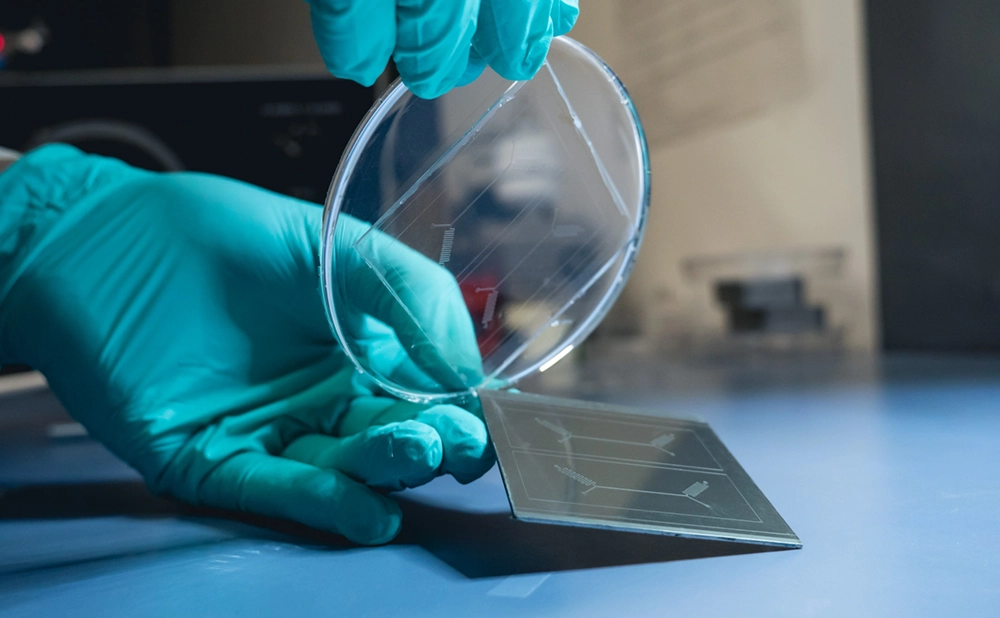
This application note explores the basic principle of pneumatic pumps and a flow controller based on the basic principle of pneumatic pumps, known as pressure driven flow control. It also demonstrates the applications of pressure driven flow control in a range of industrial & research fields.
Single-wall carbon nanotubes (SWCNTs) are considered as quasi 1-dimensional (1D) carbon nanostructures, which are known for their outstanding anisotropic electronic, mechanical, thermal and optical properties.
contact@elveflow.com+33(0).184.163.807+1(414)-406-4343 Elveflow is an Elvesys brand, an international microfluidics innovation center with high level researchers dedicated to microfluidics and organ-on-a-chip.
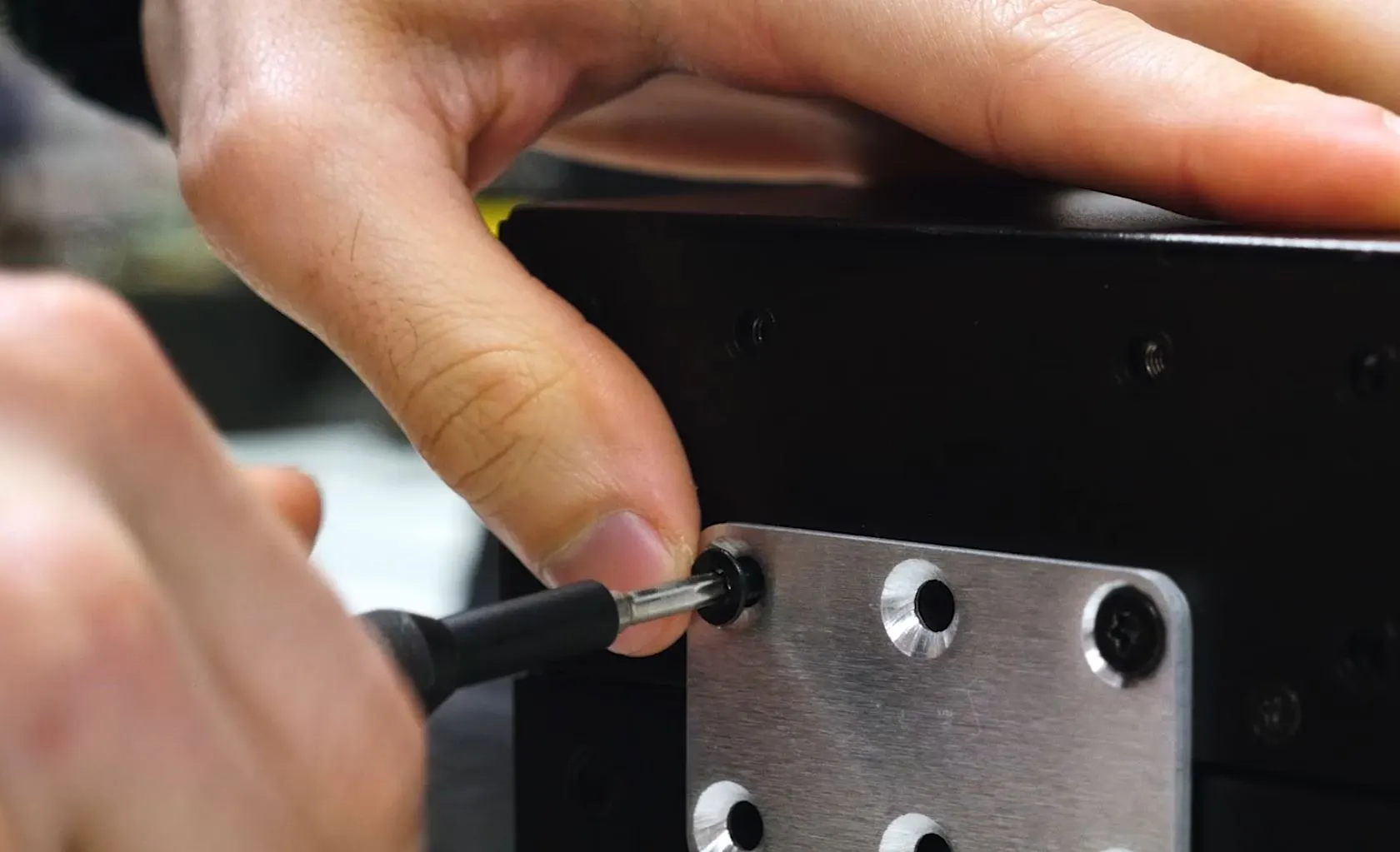
In this application note, a known concentration of fluorescein dye (10 µM) has been diluted with water using a microfluidic chip to achieve a targeted concentration of fluorescein through controlled flow rate. The following graph represents the fluorescence intensity as a function of the fluorescein concentration for:
Utilizing the instantaneous mixing of the magnetic stir bar, predefined concentrations of solutions can be produced and collected at the outlet of the micromixer by calculating and applying appropriate flow rates at the inlet.
TIP: Calculate the different flow rates for both solutions in advance to ensure using the best range of your flow sensor, taking into account the volume of the chamber used.
The application note describes how to convert various units of viscosity from one to another: viscosity conversion from Poise, Pa.s, Dyn.s/cm²...
TIP: The resistance should always be placed downstream of the MFS (between the MFS and the chip) to ensure a stable measurement.
Precise liquid injection system for manipulation of small volumes of fluids using the MUX distribution and the MUX recirculation valve.
What's the application of this motor? This motor is a condenser fan motor used on outdoor condenser units as part of a central air conditioning systems.
This application note describes how microfluidic can be employed as a nanoparticle generator based on the example of PLGA bead generation.
This application note describes how microfluidic can be employed as a nanoparticle generator based on the example of PLGA bead generation.
This application note demonstrates a smart use ouf Elveflow's Pressure sensor and sensor reader for Direct-Ink-Writing flow control.
– Option 2: (To be applied when the air bubble is difficult/tricky to remove): Once the microfluidic chip is filled, connect the ‘air outlet’ to a falcon tube, which is connected to the vacuum channel of the OB1. Simultaneously, set a pressure of 100 to 200 mbar in “liquid inlet 1” and a vacuum of -50 to -100 mbar in “air outlet”.
The application note describes how to convert various units of shear stress and/or pressure from one to another: shear stress conversion from Pascal, atmosphere, and N/m²...!

The microfluidic setup consists of a pressure controller, flow sensors, and a micromixer. The solutions in the micromixer chamber are stirred continuously using a magnetic stir-bar causing instantaneous mixing of the fluids. The pressure driven flow coupled with flow sensors enables precise control over the flow rate of the fluids entering the micromixer.
This application note explains how to set up a robust and reproducible microfluidic platform for liposomes assembly with improved encapsulation efficiency and reduced polydispersity in size.
Recommended Additional ProductsReplacement Condenser Fan Blades: 4-Blade Condenser Fan Blades | 5-Blade Condenser Fan Blades | Condenser Fan Selection GuideInterchangeable Hub for Fan Blade: 3/8" Shaft Diameter Fan Hub
The application note describes how to convert various units of shear stress and/or pressure from one to another: shear stress conversion from Pascal, atmosphere, and N/m²...!
Precise liquid injection system for manipulation of small volumes of fluids using the MUX distribution and the MUX recirculation valve.
This application note explains how to set up a robust and reproducible microfluidic platform for liposomes assembly with improved encapsulation efficiency and reduced polydispersity in size.
This application note describes how to combine and synchronise liquid perfusion and imaging using an Olympus spinning disc confocal microscope together with an Elveflow pressure-driven flow controlled microfluidic system.
Single-wall carbon nanotubes (SWCNTs) are considered as quasi 1-dimensional (1D) carbon nanostructures, which are known for their outstanding anisotropic electronic, mechanical, thermal and optical properties.
The application note describes how to convert various units of viscosity from one to another: viscosity conversion from Poise, Pa.s, Dyn.s/cm²...
This application note demonstrates a smart use ouf Elveflow's Pressure sensor and sensor reader for Direct-Ink-Writing flow control.
This application note explains how to set up a robust and reproducible microfluidic platform for liposomes assembly with improved encapsulation efficiency and reduced polydispersity in size.



 Neil
Neil 
 Neil
Neil