
Flat Panel Detector,x Ray Equipment Exports from Chile - 989000085892

From the smallest bolt or trim component, to complete body panels, crankshafts, exhausts systems, PCCM radio upgrades, and steering wheels, we can deliver any part your Porsche needs. We have a reputation for competitive prices and fast, secure delivery. We supply spare parts and accessories to car owners, body shops, garages and workshops worldwide.
While many Porsche parts are manufactured in Germany, reflecting the brand's heritage and commitment to quality, Porsche also collaborates with specialised suppliers worldwide.
ICV injection of PHP.B/hUBE3Aopt improves motor learning and the execution of innate behaviors in AS mice. To evaluate vector efficacy, we analyzed the behavioral performance of adult AS and WT littermate mice that were ICV-injected as neonates with 1 μL of either vehicle or 1.6 × 10¹⁴ vg/mL PHP.B/hUBE3Aopt. We administered a modified version of a behavioral test battery suitable for preclinical drug testing in AS model mice (43) (Figure 5A), replacing the forced swim test with flurothyl kindling to improve overall face validity for AS. Prior to beginning testing in mice 2.5–3.5 months of age, we commenced monthly body weight measurements. Body weight was equivalent between groups at 1 month, including in mice receiving PHP.B/hUBE3Aopt (WT + AAV and AS + AAV), thus indicating generally good tolerance of the treatment. Excessive adult weight gain has been well documented in the model (44, 45) and corresponds to observations of obesity in adult individuals with AS (46, 47). By 2 months, untreated AS mice (AS + vehicle) began to exhibit increased body weight relative to the WT groups. This effect was especially pronounced in the female AS + AAV group and strengthened statistically over the next 2 months of observation (Supplemental Figure 3), consistent with previous reports (19, 48). Although results were inconclusive for the male AS + AAV group, excessive adult weight gain was fully penetrant in female AS + AAV mice, indicating a lack of efficacy for PHP.B/hUBE3Aopt in normalizing this phenotype by early stages of adulthood (Supplemental Figure 3).
MCJ designed and performed experiments, analyzed data, and wrote the manuscript. CS designed and validated AAV vectors. JMS designed and performed bioinformatic analyses. CRD performed and analyzed behavioral studies. AMP designed and performed E. coli–based ubiquitination assays. MTS performed and analyzed immunofluorescence staining experiments and analyses. NWM performed in situ hybridization experiments. KDR designed and generated PHP.B/hSYN-EGFP vectors. YE contributed to experimental design and advised on bioinformatic analyses. DGA contributed to experimental design. SJG oversaw AAV vector production and designed experiments. BDP helped design experiments and contributed to data analysis. All authors edited the manuscript.
We use adverts to offset the costs of running this site and provide funding for further development. The behavioural advertising cookies used by this site are designed to ensure that we provide you with the most relevant adverts where possible by anonymously tracking your interests and presenting similar things that may be of interest.
Address correspondence to: Benjamin D. Philpot, Mary Ellen Jones Building Room 7008C, 116 Manning Drive, Chapel Hill, North Carolina 27599, USA. Phone: 919.966.0025; Email: bphilpot@med.unc.edu.
If you are looking for an old part in particular, please select your model and browse the part diagrams or contact our team of Porsche part experts.
Address correspondence to: Benjamin D. Philpot, Mary Ellen Jones Building Room 7008C, 116 Manning Drive, Chapel Hill, North Carolina 27599, USA. Phone: 919.966.0025; Email: bphilpot@med.unc.edu.
In order to provide you with a great experience on this site we provide the functionality to set your preferences for how this site runs when you use it. In order to remember your preferences we need to set cookies so that this information can be called whenever you interact with a page is affected by your preferences.
This is common within the automotive industry as a global network ensures the availability of high-quality parts and materials.
Find the exact Porsche parts and accessories you're looking for by viewing our online Porsche part catalogues. Simply select your Porsche model below and browse detailed part diagrams complete with the original Manufacturer Part Number (MPN) listings to identify the precise part you require. Alternately you can enter the part number into our search box at the top of any page or contact us for personal assistance.
Finally, clinical biomarkers for AS must be further developed. Enhanced delta rhythmicity has emerged as a promising, noninvasive electroencephalographic biomarker of forebrain circuit disruption in both AS mice and individuals with AS (84). It will be critical to determine if delta rhythmicity is sensitive to UBE3A reinstatement — hUBE3Aopt-mediated or otherwise — since this physiological readout would greatly facilitate monitoring of treatment responses in future clinical trials.
Second, we have not yet determined whether reintroducing both short and long hUBE3A to the developing nervous system is advantageous to reintroducing short hUBE3A alone. AS mouse phenotypes tested to this point have proven selectively sensitive to short UBE3A deletion (32) and are therefore ill suited to gauge the added therapeutic benefit that reexpression of long UBE3A may provide. Experiments pitting dual-isoform vectors against vectors expressing short hUBE3A alone are warranted once long UBE3A-sensitive phenotypes have been confirmed. Recent work defining the electrophysiological maturation of human embryonic stem cell–derived neurons in the wake of selective long hUBE3A isoform deletion is encouraging in this regard (72). Despite the current lack of empirical evidence, the circumstantial case for pursuing dual-isoform hUBE3A vectors for AS gene therapy is compelling. Short and long UBE3A expression has been conserved over the course of placental mammalian evolution (64) — a span of greater than 100 million years — implying important, distinctive developmental roles. These roles may depend on isoform-specific access to different subcellular compartments — the mechanisms of which continue to be elucidated (33, 72) — and unique protein complexes. Clinically, start codon mutations that selectively abrogate expression of short hUBE3A manifest in a less severe form of AS (73). These rare cases strongly suggest that, while short hUBE3A is critical for supporting neurotypical development, coexpression of long hUBE3A isoforms contributes to an optimal developmental outcome.
PHP. B/hUBE3Aopt yields traceable, dual-isoform hUBE3A expression. (A) PHP.B/hUBE3Aopt construct for expressing long (isoform 3) and short (isoform 1) isoforms of hUBE3A under control of a human synapsin promoter (hSYN). (B) Top: multiple sequence alignment of hUBE3Aopt with human (hUBE3A), NHP (moUBE3A), and mouse (mUbe3a) transcripts. Darker shades of red indicate greater sequence divergence. Green lines overlay hUBE3Aopt and mUbe3a amplicons in ddPCR assays. Bottom left: mean ± SEM transcript values (normalized to Gapdh) for hUBE3Aopt (top) and mUbe3a (bottom) in the brains of adult WT and AS mice following neonatal ICV administration of 1 μL of either vehicle or 1.6 × 10¹⁴ vg/mL PHP.B/hUBE3Aopt. Bottom right: representative HCR in situ hybridization labeling for hUBE3Aopt transcripts (green) in the neocortex and hippocampus of 1-month-old WT and AS + AAV mice (n = 3). Higher magnification depicts labeling in Rbfox3+ (magenta) neocortical neurons; arrowheads indicate nuclei of putative glia. Scale bars by level of magnification: 350 μm (low) and 5 μm (high). (C) Top: Western blotting of whole-brain lysates using a UBE3A antibody that binds mouse and human UBE3A equally, irrespective of isoform. Asterisks indicate the position of long (red) and short (black) UBE3A isoforms. Coomassie staining shows total protein loading. AS + AAV mice were administered 1 μL of 1.6 × 10¹⁴ vg/mL PHP.B/hUBE3Aopt as neonates. Homozygous mISO3-KO mice completely lack expression of short UBE3A, while mice with a maternally inherited deletion of isoform 3 (mat. ISO3-KO) lack neuronal expression of short UBE3A. Bottom: mean ± SEM fractional values of long and short UBE3A expression (left) and short/long isoform ratios (right). (D) Immunoblot demonstrating catalytic activity toward self (autoubiquitination) and RING1B (target ubiquitination) of different UBE3A constructs in an E. coli–based ubiquitination assay. Higher molecular weight ubiquitin-specific modifications were indicative of catalytic activity for WT UBE3A and hUBE3Aopt samples, but not samples expressing catalytically impaired UBE3AC840S. See supplemental material for unedited blots.
Neonatal ICV injection of PHP. B/hUBE3Aopt protects against flurothyl kindling–induced hippocampal pathology in AS mice. (A) Experimental timeline for immunofluorescence analysis following flurothyl seizure kindling. (B) Representative images of Wisteria floribunda agglutinin (WFA) staining of perineuronal nets (magenta) in sagittal sections of the dorsal hippocampus. Costaining for NeuN (cyan) and UBE3A (green) is also displayed. Scale bar: 500 μm. Right panel: quantification of normalized mean WFA fluorescence in the dentate gyrus. Welch’s 1-way ANOVA, Dunnett’s post hoc. (C) Representative images of glial fibrillary acidic protein (GFAP) staining in sagittal sections of the dorsal hippocampus and cortex. Ctx, cortex; WM, white matter; SO, stratum oriens; SR, stratum radiatum; SLM, stratum lacunosum moleculare; ML, molecular layer; GL, granule cell layer; H, hilus. Scale bars by level of magnification: 250 μm (low) and 50 μm (high). Right panel: quantification of normalized mean GFAP fluorescence in the hippocampus. One-way ANOVA, Tukey’s post hoc. Data are shown as mean ± SEM. *P < 0.05, **P < 0.01, ***P < 0.001.
15Eugene McDermott Center for Human Growth and Development, University of Texas (UT) Southwestern Medical Center, Dallas, Texas, USA.
Replacing air filters, fuel injectors, spark plugs and timing belts with genuine OEM parts will help your Porsche perform at its best. Our commitment to providing every part for every model - ranging from brakes and exhausts to tyres, wheels, and interior accessories - ensures your Porsche maintains its sporty performance and sleek good looks.
The Google AdSense service we use to serve advertising uses a DoubleClick cookie to serve more relevant ads across the web and limit the number of times that a given ad is shown to you.
We have detected that your login has other sessions open and possibly in use. This can happen especially if customers share a login with others, e.g. in the same office.
15Eugene McDermott Center for Human Growth and Development, University of Texas (UT) Southwestern Medical Center, Dallas, Texas, USA.
AS mice have great difficulty executing species-typical behavioral routines such as digging and nest building (43). We used the marble burying task to evaluate the potential for PHP.B/hUBE3Aopt treatment to rescue deficits in digging behavior in AS mice. AS + AAV mice outperformed their AS + vehicle counterparts on marble burying, as was indicated by manual counts of buried marbles and statistically confirmed by unbiased image-based analysis. The group data comprised a broad range of individual responses: some AS + AAV mice attained WT + vehicle levels of performance, others failed to eclipse the spread of AS + vehicle values. Interestingly, we observed a very similar range of marble burying scores in the WT + AAV group (Figure 5D), raising the possibility that poor performance on this task resulted from hUBE3A overdosage. In contrast, group performances on the nest building task were more uniform. WT mice, regardless of treatment group, built robust nests incorporating most of the available nesting material over the 5-day testing period. AS + AAV mice fell short of matching WT levels of nest building, but they far surpassed the performance of AS + vehicle mice that consistently built nests of poor quality (Figure 5E). Overall, these findings support that neonatal gene transfer of hUBE3Aopt confers to AS mice a markedly increased capacity to learn motor tasks and express innate, species-typical behaviors.
In some special cases we also use cookies provided by trusted third parties. The following section details which third party cookies you might encounter through this site.
1Neuroscience Center,2Department of Cell Biology and Physiology,3Carolina Institute for Developmental Disabilities,4Gene Therapy Center, and5Department of Genetics, University of North Carolina (UNC), Chapel Hill, North Carolina, USA.6Department of Clinical Genetics and7Department of Neuroscience, Erasmus MC University Medical Center, Rotterdam, The Netherlands.8Biology and Information Science Programs and9Department of Pharmacology, UNC, Chapel Hill, North Carolina, USA.10Scientific Operations Manager-Viral Tools, Janelia Research Campus, Howard Hughes Medical Institute, Ashburn, Virginia, USA.11ENCORE Expertise Center for Neurodevelopmental Disorders, Erasmus MC University Medical Center, Rotterdam, The Netherlands.12Department of Psychiatry and Behavioral Sciences, MIND Institute, and13California National Primate Research Center, University of California, Davis, California, USA.14Department of Pediatrics and15Eugene McDermott Center for Human Growth and Development, University of Texas (UT) Southwestern Medical Center, Dallas, Texas, USA.
11ENCORE Expertise Center for Neurodevelopmental Disorders, Erasmus MC University Medical Center, Rotterdam, The Netherlands.
1Neuroscience Center,2Department of Cell Biology and Physiology,3Carolina Institute for Developmental Disabilities,4Gene Therapy Center, and5Department of Genetics, University of North Carolina (UNC), Chapel Hill, North Carolina, USA.6Department of Clinical Genetics and7Department of Neuroscience, Erasmus MC University Medical Center, Rotterdam, The Netherlands.8Biology and Information Science Programs and9Department of Pharmacology, UNC, Chapel Hill, North Carolina, USA.10Scientific Operations Manager-Viral Tools, Janelia Research Campus, Howard Hughes Medical Institute, Ashburn, Virginia, USA.11ENCORE Expertise Center for Neurodevelopmental Disorders, Erasmus MC University Medical Center, Rotterdam, The Netherlands.12Department of Psychiatry and Behavioral Sciences, MIND Institute, and13California National Primate Research Center, University of California, Davis, California, USA.14Department of Pediatrics and15Eugene McDermott Center for Human Growth and Development, University of Texas (UT) Southwestern Medical Center, Dallas, Texas, USA.
In our study, we seldom observed hUBE3A overexpression outside of the hippocampus. The hippocampus protrudes into the ventricular space and so would seem particularly vulnerable to PHP.B/hUBE3Aopt overdosage via ICV injection. However, hippocampal hUBE3A overexpression was typically asymmetrical, leading us to conclude that inadvertent parenchymal targeting was the cause of this undesirable outcome and could be avoided with improved technique — in the laboratory and certainly in the clinic (66). Importantly, this expression abnormality did not correlate with behavioral performance and so presumably did not bear on our capacity to mark improvements in motor learning, nest building, and seizure outcome in AS mice. hUBE3A levels did strongly correlate with hippocampal atrophy that was disproportionately localized to the dentate gyrus in treated AS mice. This suggested that dentate granule cells or their progenitors might be particularly sensitive to toxic effects of hUBE3A overexpression, especially as it occurs with rapid onset following gene transfer. However, neither Ube3a-overexpressing mice nor individuals with Dup15q syndrome exhibit such severe lesions of the dentate gyrus (9, 67–69). More importantly, the relationship between hUBE3A overexpression and dentate gyrus lesions proved not to be causal. We confirmed this through control injections of PHP.B/hSYN-EGFP, whereby hippocampal EGFP overexpression resulted in a similar lesion. As was recently shown, AAV internal terminal repeat sequences are themselves sufficient to mediate dose-dependent toxicity and cell death in the hippocampus, preferentially in dentate gyrus neural progenitor cells (70). This is a plausible mechanism to explain the dentate gyrus lesions we observed in our study and should serve as a cautionary tale for gene therapy approaches that expose the hippocampal neurogenic niche to high doses of AAV.
Old Porsche parts are still available thanks to parts being reissued via the Porsche Classic programme and third party manufacturers. We work closely with the Porsche network and can provide parts for any older model.
Statistics. One-way ANOVA followed by Tukey’s post hoc test was performed for open-field, WFA immunofluorescence analysis in naive mice, and GFAP immunofluorescence analysis was performed in kindled mice. Welch’s 1-way ANOVA followed by Dunnett’s post hoc test was carried out for marble burying, WFA immunofluorescence analysis was performed in kindled mice, GFAP immunofluorescence analysis was performed in naive mice, and quantification of UBE3A immunofluorescence was performed by brain region, as the Brown-Forsythe test indicated unequal variances in each case. To analyze ordinal nest building scores, the Kruskal-Wallis test was used, followed by Mann-Whitney U post hoc testing with Bonferroni correction for multiple comparisons. Two-way repeated-measures ANOVA, followed by Tukey’s post hoc test was performed for rotarod testing, nest building (material used), fear conditioning, and flurothyl kindling assays. In the figures, all values are expressed as means ± SEM unless otherwise specified. A P value less than 0.05 was considered significant. GraphPad Prism 8.3 software (GraphPad Software, RRID:SCR_002798) was used for statistical analyses.
15Eugene McDermott Center for Human Growth and Development, University of Texas (UT) Southwestern Medical Center, Dallas, Texas, USA.
15Eugene McDermott Center for Human Growth and Development, University of Texas (UT) Southwestern Medical Center, Dallas, Texas, USA.
However if you are still looking for more information then you can contact us through one of our preferred contact methods:
11ENCORE Expertise Center for Neurodevelopmental Disorders, Erasmus MC University Medical Center, Rotterdam, The Netherlands.
15Eugene McDermott Center for Human Growth and Development, University of Texas (UT) Southwestern Medical Center, Dallas, Texas, USA.
10Scientific Operations Manager-Viral Tools, Janelia Research Campus, Howard Hughes Medical Institute, Ashburn, Virginia, USA.
10Scientific Operations Manager-Viral Tools, Janelia Research Campus, Howard Hughes Medical Institute, Ashburn, Virginia, USA.
OEM (Original Equipment Manufacturer) Porsche parts are the exact same as genuine but they will not be supplied in any Porsche branded packaging, nor will they be stamped with the Porsche logo. These are lower cost alternatives to genuine parts, they are favoured when you want to keep costs low without comprising on functional quality and fitment.
15Eugene McDermott Center for Human Growth and Development, University of Texas (UT) Southwestern Medical Center, Dallas, Texas, USA.
We allow third party applications (Google Analytics, Google Ads, Microsoft Ads and Meta Ads) to use cookies to help us understand how you use our website so we can make it better. You can choose whether to accept or reject these cookies. We would naturally prefer that you accept them but you do not have to if you so wish.
10Scientific Operations Manager-Viral Tools, Janelia Research Campus, Howard Hughes Medical Institute, Ashburn, Virginia, USA.
UBE3A subcellular localization in neurons is governed by interactions between cis-acting elements in specific isoforms and trans-acting protein partners like PSMD4, which — given the remarkable stability of UBE3A isoform expression ratios over development (Figure 1) — are themselves likely to be temporally dynamic in their expression (32). In mature mouse neurons, short UBE3A concentrates preferentially in the nucleus, whereas long UBE3A localizes nearly exclusively to the cytoplasm (Supplemental Figure 2) (32, 42). The scenario is similar for hUBE3A isoforms in mature human neurons, albeit with the least abundant long isoform (i.e., isoform 2) evolutionarily assuming the attribute of exclusive cytoplasmic localization and the most abundant long isoform (i.e., isoform 3) exhibiting a nuclear bias in its localization — akin to short hUBE3A (i.e., isoform 1) — despite its N-terminal sequence very closely matching that of the cytoplasmic long mouse isoform (Figure 1A) (33). Considering the hUBE3Aopt payload of isoforms 1 and 3, it followed that proteins expressed from this vector should faithfully organize in neuronal subcellular compartments according to endogenous patterns, coming to reflect a predominantly nuclear localization over time. We evaluated UBE3A immunofluorescence in AS mice at P10, P15, and P25 following neonatal ICV injection with PHP.B/hUBE3Aopt (Figure 4A). AS mice almost completely lack endogenous neuronal UBE3A (Figure 4B), enabling an uncompromised analysis of hUBE3A expression following gene transfer. Our efforts revealed hUBE3A labeling throughout the brain by P10, which was pronounced among neurons of the dorsal forebrain but relatively sparse in most midbrain and hindbrain structures. While this regional pattern persisted at P15 and P25 (Figure 4C), subcellular hUBE3A labeling changed dramatically, becoming less cytoplasmic and increasingly nuclear over time (Figure 4, D–F). Taken together, these findings establish that neonatal ICV injection of PHP.B/hUBE3Aopt reinstates UBE3A in the brains of AS mice with widespread distribution and rapid developmental onset, as well as according to native expression dynamics, which are all advantageous features of an AS gene therapy.
For your convenience, this policy applies to all geographical and language versions of the Eurospares website, including but not limited to: www.eurospares.co.uk, www.eurosparesautoteile.de, www.eurospares.au, www.eurospares.com, www.eurospares.es, www.eurospares.fr, www.eurospares.it. Your decision to accept or decline these cookie preferences will therefore be applied to all Eurospares websites worldwide.
11ENCORE Expertise Center for Neurodevelopmental Disorders, Erasmus MC University Medical Center, Rotterdam, The Netherlands.
Here, we report on the toxicity and efficacy of a one-time intracerebroventricular (ICV) administration to neonatal AS model mice of a recombinant AAV9-derived PHP.B vector (30) encoding a codon-optimized human UBE3A (hUBE3Aopt) transgene. Through this approach, we model desirable features of AS gene therapy, achieving widespread hUBE3A reexpression in dorsal forebrain neurons, prior to the emergence of AS-like phenotypes and into adulthood. Furthermore, we establish the feasibility of reinstating dual-isoform hUBE3A expression, a benefit typically attributed only to paternal UBE3A unsilencing. Our work provides a rationale for future AS clinical trials based on hUBE3A gene transfer and offers a positive outlook for both symptom relief and the tolerance of hUBE3A overexpression.
ICV injection of PHP.B/hUBE3Aopt results in widespread, developmentally dynamic hUBE3A expression in the brain. Mouse modeling predicts that widespread neuronal UBE3A reinstatement, occurring before the closure of a critical early postnatal period (14, 26), will be maximally efficacious in the treatment of AS. Accordingly, UBE3A is expressed ubiquitously in the mouse nervous system from early stages of development onward (39, 40). To determine if UBE3A expression is similarly widespread in the nonhuman primate (NHP) nervous system, and to better define anatomical targets for hUBE3A gene transfer, we mapped UBE3A immunofluorescence in developmental coronal sections of the rhesus macaque brain. UBE3A staining was evident throughout the NHP brain at least as early as the end of the second trimester (gestational day 100; GD100), corresponding to the broad distribution observed in mouse at a similar developmental stage. Widespread UBE3A expression continued to be a shared feature of the developing mouse and NHP brain up until birth and through the early postnatal period (Figure 3, A and B). We also observed striking species similarities in staining at the subcellular level as development progressed — in particular, a cytoplasmic to nuclear shift in neuronal UBE3A labeling, which was previously documented in mice both in vitro and in vivo (32, 40, 41) (Figure 3, A and B).
Mice. Mice carrying a Ube3a-KO allele were originally generated in the laboratory of A. Beaudet (38) and back-crossed to a congenic C57BL/6J background (RRID:IMSR_JAX:016590). We generated maternal Ube3a-deficient mice (Ube3am−/p+, also referred to as AS model mice) by crossing congenic C57BL/6J WT males to paternal Ube3a-deficient females (Ube3am+/p−), which themselves are phenotypically normal (38, 85). Mice carrying an allele incapable of Ube3a isoform 3 expression (ISO3-KO mice; ref. 32) were maintained on a congenic C57BL/6J background. All mice in this study were raised on a 12:12 light-dark cycle with ad libitum access to food and water. Male and female littermates were included at equivalent genotypic ratios.
The evolutionary conservation of short/long UBE3A isoform ratios suggests that appropriate isoform representation will support the successful implementation of AAV-mediated UBE3A gene transfer. To devise an AAV vector capable of dual-isoform hUBE3A expression, we exploited the perfect alignment of short UBE3A amino acid sequences downstream of the long UBE3A N-terminal extensions (Figure 1A). This configuration enabled packaging of short hUBE3A isoform 1 and long hUBE3A isoform 3 (the most abundant long hUBE3A isoform) sequences contiguously within the same reading frame. Because each isoform is translated from an independent start codon, we differentially manipulated Kozak sequence strengths with the goal of favoring short hUBE3A (isoform 1) expression. The resulting expression cassette, termed hUBE3Aopt (Supplemental Table 1), further comprised regulatory sequences, including a human synapsin promoter for selective expression in neurons (Figure 2A). Codon optimization of hUBE3Aopt decreased base sequence identity with mice (74%), macaques (76%), and humans (76%) — a feature to be leveraged toward transgene tracing in recipient tissues (Figure 2B).
Yes it is easy to get all the Porsche parts you need at Eurospares. Any part, from the smallest bolt to the largest body panel can be supplied and delivered direct to your door.
PHP. B/hUBE3Aopt-mediated UBE3A overexpression is largely restricted to the hippocampus and does not correlate with phenotypic outcome. (A–E) Mean ± SEM UBE3A immunofluorescence (IF) by brain region. *P < 0.05, ***P < 0.001, ****P < 0.0001. Welch’s ANOVA, Dunnett’s post hoc. (A) Left: neocortical UBE3A IF, counterstaining for NeuN and GABA. Arrowheads indicate putative excitatory neurons (white) and GABAergic interneurons (yellow). Middle: representative NeuN-based segmentation of neurons with (white arrowheads) or without (yellow arrowheads) UBE3A IF. Graphed distribution of UBE3A IF levels within individual neurons for each group (>44,000 neurons analyzed per animal, from a subset of animals corresponding to filled circles in mean IF graph). Red line depicts the distribution resulting from the simulated addition (n = 50,000 per simulation; 10 simulations) of randomly selected WT + vehicle and AS + AAV values. Right: quantification of the percentage of NeuN+ neurons costained for UBE3A. (B) Thalamic UBE3A IF, counterstaining for NeuN and parvalbumin (PV). (C) Cerebellar UBE3A IF, counterstaining for NeuN and PV. (D) Striatal UBE3A IF, counterstaining for NeuN and DARPP-32. Arrowheads indicate medium spiny neurons with (white) or without (yellow) UBE3A labeling. (E) Left: hippocampal UBE3A IF, counterstaining for NeuN and PV. Right: representative NeuN-based segmentation of neurons with (white arrowheads) or without (yellow arrowheads) UBE3A IF. Graphed distribution of UBE3A IF levels within individual neurons for each group (>2300 neurons analyzed per animal, from a subset of animals corresponding to filled circles in mean IF graph). (F) Pearson’s r correlation of normalized mean hippocampal UBE3A IF and phenotypic outcome in AS + AAV mice. LV, lateral ventricle; LD, lateral dorsal nucleus; AV, anteroventral nucleus; RT, reticular nucleus; wm, white matter; ic, internal capsule. Scale bars by level of magnification: 100 μm (low), 20 μm (high) (A and E); 250 μm (low), 30 μm (high) (B); 200 μm (low), 30 μm (high) (C); 200 μm (low), 20 μm (high) (D).
From time to time we test new features and make subtle changes to the way that the site is delivered. When we are still testing new features these cookies may be used to ensure that you receive a consistent experience whilst on the site whilst ensuring we understand which optimisations our users appreciate the most.
15Eugene McDermott Center for Human Growth and Development, University of Texas (UT) Southwestern Medical Center, Dallas, Texas, USA.
This work was supported by the Angelman Syndrome Foundation, the NICHD (grant R01HD093771), the NIMH (grant R01MH120229), and the NINDS (grant R01NS114086). CS was supported by an NIH T32 postdoctoral training grant through the Carolina Institute for Developmental Disabilities (NIH T32HD040127). Microscopy was performed at the Neuroscience Microscopy Core Facility, supported, in part, by funding from the NIH-NINDS Neuroscience Center Support Grant P30 NS045892 and the NIH-NICHD Intellectual and Developmental Disabilities Research Center Support Grant U54 HD079124.
Since 1985, Eurospares has been a leader in the supercar parts community, and our love for Porsches runs deep. We're not just a parts provider; on our team are several Porsche owners themselves and we get the exhilaration that comes with every twist of the wheel and the unmistakable roar of that flat-six engine.
This site uses Google Analytics which is one of the most widespread and trusted analytics solution on the web for helping us to understand how you use the site and ways that we can improve your experience. These cookies may track things such as how long you spend on the site and the pages that you visit so we can continue to produce engaging content.
ICV injection of PHP.B/hUBE3Aopt mitigates exaggerated epileptogenesis and associated hippocampal pathology in AS mice. Approximately 90% of individuals with AS also suffer from epilepsies that can be difficult to manage and that adversely affect quality of life (3). The spontaneous recurrent seizures that define epilepsy may exacerbate other phenotypes, including intellectual disability (50). Considering these clinical factors and the enrichment of hUBE3A expression in cortical and hippocampal circuits (Figure 4), we examined the potential for PHP.B/hUBE3Aopt treatment to rescue both cognitive deficits and seizure susceptibility in AS mice. Common learning paradigms in mice — such as Morris water maze and fear conditioning — expose rather mild and inconsistent deficits in the AS model that demand intensive statistical sampling (43). Accordingly, we obtained inconclusive results when fear conditioning adult WT and AS mice treated with PHP.B/hUBE3Aopt or vehicle as neonates (Supplemental Figure 4A). Although mice of each group clearly demonstrated associative learning of the unconditioned foot shock stimulus and conditioned auditory cue (Supplemental Figure 4B), we were underpowered to detect robust deficits in either contextual or cued fear memory in the AS + vehicle group — or rescue thereof (Supplemental Figure 4, C and D).
Since 1931, Porsche has been at the forefront of high-performance luxury sports cars, turning dreams into reality with every roaring engine and exhilarating drive. As Porsche owners and enthusiasts ourselves, we are committed to offering you low prices and fast delivery on genuine Porsche parts and Tequipment accessories. From the classic 356 and original 911, through to the latest Carrera, Macan, and Panamera, we supply every part for every model.
Vector delivery. P0.5–P2 mouse pups were cryoanesthetized on wet ice for 3 minutes; they were then transferred to a chilled stage equipped with a fiber optic light source for transillumination of the lateral ventricles. A 10 μL syringe fitted with a 32-gauge, 0.4-in-long sterile syringe needle (7803-04, Hamilton) was used to bilaterally deliver 0.5 μL of purified PHP.B/hUBE3Aopt vector (1.6 × 10¹⁴ vg/mL) to the ventricles, resulting in a total dose of 1.6 × 10¹¹ vg injected per pup. The addition of Fast Green dye (1 mg/mL; Sigma-Aldrich) to the virus solution facilitated the visualization of successful injections. Following injection, pups were warmed on an isothermal heating pad with home-cage nesting material before being returned en masse to their nursing dam.
Third, our vector design currently provides for expression of only 1 of 2 possible long hUBE3A isoforms. We chose to include isoform 3 because it is far more abundant than isoform 2, but isoform 2 may play a key developmental role despite its low expression levels. Isoform 2 arose in NHP species prior to the deletion of an isoform 3 N-terminal proline residue that dramatically shifted its localization to the nucleus. This sequence of evolutionary events prompted the hypothesis that the proline deletion was tolerated only because isoform 2, which is exclusively cytoplasmic in cultured neurons, was able to assume cytoplasmic functions vacated by isoform 3 (33). Based on proteomic analyses, isoform 2 likely participates in some unique protein-protein interactions within the cytoplasm, but overall, its protein partners are highly redundant with those of isoform 3 (74). Moreover, although isoform 2 is itself strictly localized to the cytoplasm, it does not have exclusive access to this compartment among hUBE3A isoforms; we clearly observed hUBE3Aopt to mediate developmentally appropriate patterns of cytoplasmic hUBE3A localization with expression of isoforms 1 and 3 alone.
1Neuroscience Center,2Department of Cell Biology and Physiology,3Carolina Institute for Developmental Disabilities,4Gene Therapy Center, and5Department of Genetics, University of North Carolina (UNC), Chapel Hill, North Carolina, USA.6Department of Clinical Genetics and7Department of Neuroscience, Erasmus MC University Medical Center, Rotterdam, The Netherlands.8Biology and Information Science Programs and9Department of Pharmacology, UNC, Chapel Hill, North Carolina, USA.10Scientific Operations Manager-Viral Tools, Janelia Research Campus, Howard Hughes Medical Institute, Ashburn, Virginia, USA.11ENCORE Expertise Center for Neurodevelopmental Disorders, Erasmus MC University Medical Center, Rotterdam, The Netherlands.12Department of Psychiatry and Behavioral Sciences, MIND Institute, and13California National Primate Research Center, University of California, Davis, California, USA.14Department of Pediatrics and15Eugene McDermott Center for Human Growth and Development, University of Texas (UT) Southwestern Medical Center, Dallas, Texas, USA.
1Neuroscience Center,2Department of Cell Biology and Physiology,3Carolina Institute for Developmental Disabilities,4Gene Therapy Center, and5Department of Genetics, University of North Carolina (UNC), Chapel Hill, North Carolina, USA.6Department of Clinical Genetics and7Department of Neuroscience, Erasmus MC University Medical Center, Rotterdam, The Netherlands.8Biology and Information Science Programs and9Department of Pharmacology, UNC, Chapel Hill, North Carolina, USA.10Scientific Operations Manager-Viral Tools, Janelia Research Campus, Howard Hughes Medical Institute, Ashburn, Virginia, USA.11ENCORE Expertise Center for Neurodevelopmental Disorders, Erasmus MC University Medical Center, Rotterdam, The Netherlands.12Department of Psychiatry and Behavioral Sciences, MIND Institute, and13California National Primate Research Center, University of California, Davis, California, USA.14Department of Pediatrics and15Eugene McDermott Center for Human Growth and Development, University of Texas (UT) Southwestern Medical Center, Dallas, Texas, USA.

10Scientific Operations Manager-Viral Tools, Janelia Research Campus, Howard Hughes Medical Institute, Ashburn, Virginia, USA.
You can prevent the setting of cookies by adjusting the settings on your browser (see your browser Help for how to do this). Be aware that disabling cookies will affect the functionality of this and many other websites that you visit. Disabling cookies will usually result in also disabling certain functionality and features of the this site. Therefore it is recommended that you do not disable cookies.
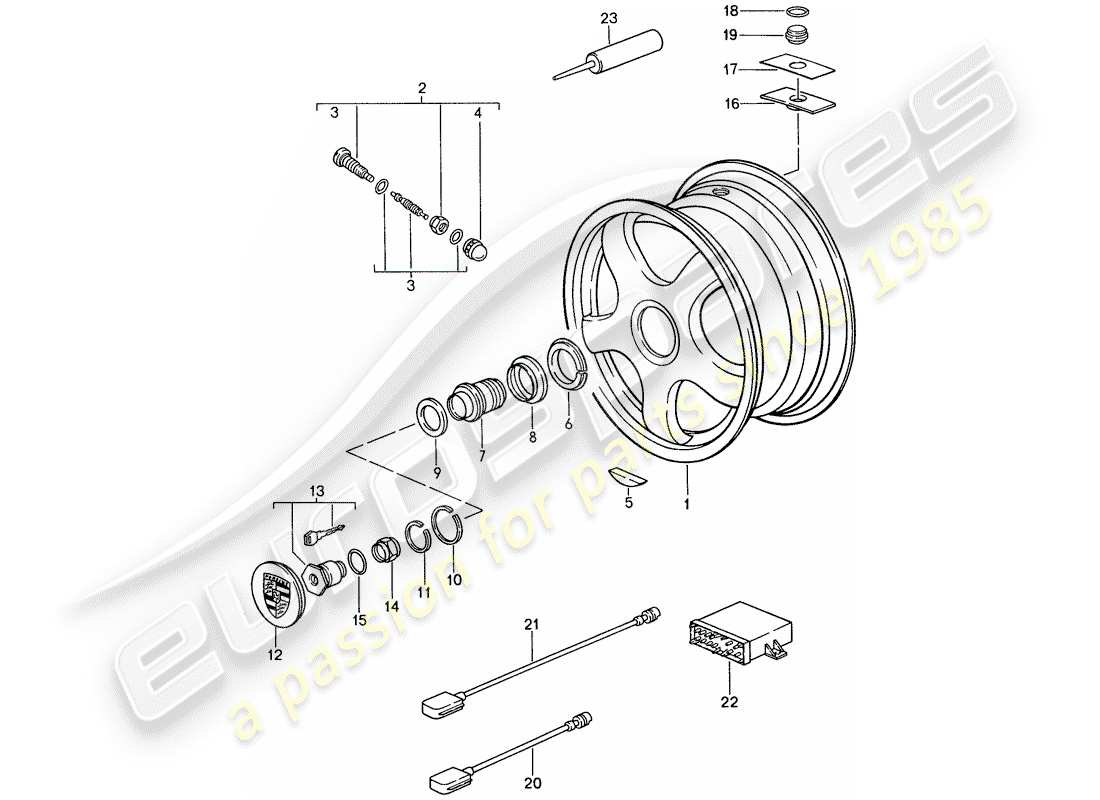
We offer one of biggest selections of genuine Porsche parts online, ensuring you can access the information you need 24/7. Just like with the ETKA Porsche parts catalogue, each model is listed with detailed illustrations for easy reference. This makes our website a valuable tool for garages, repair shops, and individual car owners who are in search of specific parts for vehicle repairs or maintenance.
Address correspondence to: Benjamin D. Philpot, Mary Ellen Jones Building Room 7008C, 116 Manning Drive, Chapel Hill, North Carolina 27599, USA. Phone: 919.966.0025; Email: bphilpot@med.unc.edu.
When you submit data by completing forms and / or clicking buttons we ensure the submission is genuine and comes from our website by use of this cookie.
Address correspondence to: Benjamin D. Philpot, Mary Ellen Jones Building Room 7008C, 116 Manning Drive, Chapel Hill, North Carolina 27599, USA. Phone: 919.966.0025; Email: bphilpot@med.unc.edu.
This site offers e-commerce or payment facilities and some cookies are essential to ensure that your order is remembered between pages so that we can process it properly.
Aftermarket and performance parts are typically made by third parties, for example Rennline and Tubi Style exhausts. Tequipment parts are genuine Porsche accessories, designed for customisation and enhancement. If you have any specific questions regarding part types or you are searching for a particular part and need assistance please contact our team of Porsche part experts.
15Eugene McDermott Center for Human Growth and Development, University of Texas (UT) Southwestern Medical Center, Dallas, Texas, USA.
Most websites use cookies. Cookies are small text files placed on your device to store data so websites can use it later. Eurospares uses cookies to remember your preferences and settings, help you log in, and analyse how well our website is working. To show the full contents of our cookie policy click here.
Address correspondence to: Benjamin D. Philpot, Mary Ellen Jones Building Room 7008C, 116 Manning Drive, Chapel Hill, North Carolina 27599, USA. Phone: 919.966.0025; Email: bphilpot@med.unc.edu.
Our team can get parts delivered to most countries worldwide in as little as 24 hours. We can provide next-day delivery to the UK, USA, France, Germany, and Italy. We can also deliver to Australia, Dubai, Japan, and all other countries worldwide in as little as 2 days.
On visiting this site for the first time you are presented with a dialogue asking you to set your cookie preferences. This cookie stores your response to this dialogue and enables or disables our use of third party cookies while you are using our website.
Yes, every Porsche part we supply includes a warranty and expert support from our team at no additional charge. Genuine Porsche parts are also covered by the Porsche warranty.
11ENCORE Expertise Center for Neurodevelopmental Disorders, Erasmus MC University Medical Center, Rotterdam, The Netherlands.
Address correspondence to: Benjamin D. Philpot, Mary Ellen Jones Building Room 7008C, 116 Manning Drive, Chapel Hill, North Carolina 27599, USA. Phone: 919.966.0025; Email: bphilpot@med.unc.edu.
PHP.B/hSYN-EGFP vectors were produced by HHMI-Janelia Viral Tools using a polyethyleneimine triple-transfection protocol in 293 cells grown under serum-free conditions. Vectors were purified through 3 rounds of CsCl density gradient centrifugation, each carried out for 16 hours at 8°C. The initial round was performed at 65,000 rpm (g = 341,650 average; 401,747 max), and the subsequent 2 rounds were done at 90,000 rpm (g = 560,196 average; 645,019 max). Purified vectors were exchanged into storage buffer containing 1× PBS, 5% sorbitol, and 350 mM NaCl.
1Neuroscience Center,2Department of Cell Biology and Physiology,3Carolina Institute for Developmental Disabilities,4Gene Therapy Center, and5Department of Genetics, University of North Carolina (UNC), Chapel Hill, North Carolina, USA.6Department of Clinical Genetics and7Department of Neuroscience, Erasmus MC University Medical Center, Rotterdam, The Netherlands.8Biology and Information Science Programs and9Department of Pharmacology, UNC, Chapel Hill, North Carolina, USA.10Scientific Operations Manager-Viral Tools, Janelia Research Campus, Howard Hughes Medical Institute, Ashburn, Virginia, USA.11ENCORE Expertise Center for Neurodevelopmental Disorders, Erasmus MC University Medical Center, Rotterdam, The Netherlands.12Department of Psychiatry and Behavioral Sciences, MIND Institute, and13California National Primate Research Center, University of California, Davis, California, USA.14Department of Pediatrics and15Eugene McDermott Center for Human Growth and Development, University of Texas (UT) Southwestern Medical Center, Dallas, Texas, USA.
We packaged the hUBE3Aopt expression cassette into AAV9-derived PHP.B capsids to begin testing transgene expression properties in vivo, first pursuing ICV injections. Compared with intravascular administration, ICV injections, like other intracerebrospinal fluid routes of delivery, offer advantages in translational feasibility for CNS disorders: low doses that more readily scale from preclinical models to human, improved efficiency of CNS transduction, and the avoidance of circulating anti-AAV neutralizing antibodies (34–36). PHP.B yields robust CNS transduction via the ICV route, at least on par with the parent AAV9 capsid (37), but grants superior CNS access when delivered intravascularly in mice (30), offering greater flexibility for future preclinical studies. Following ICV delivery of 1 μL of 1.6 × 10¹⁴ vector genomes (vg)/mL of PHP.B/hUBE3Aopt vector to neonatal AS model mice, which come to lack neuronal expression of UBE3A (38), we performed quantitative PCR (qPCR) analysis of whole-brain RNAs. We successfully amplified hUBE3Aopt transcripts in PHP.B/ hUBE3Aopt-injected WT (WT + AAV) and AS (AS + AAV) mice but not vehicle-treated controls. In situ hybridization of hUBE3Aopt probes in AS + AAV brain tissues revealed a neuron-specific punctate signal that was absent from WT brains (Figure 2B), confirming that codon optimization enables selective detection of hUBE3Aopt among endogenous mUbe3a transcripts. In parallel, we conducted Western blotting analyses of whole-brain lysates to assess the capacity for hUBE3Aopt transcripts to be translated into both short and long hUBE3A isoforms. By comparison with samples from homozygous isoform 3 KO mice (mISO3-KO) that exclusively express long UBE3A, we were able to reliably identify bands belonging to both long and short hUBE3A in AS + AAV samples, thereby establishing that PHP.B/hUBE3Aopt is in fact a dual isoform-expressing vector. Quantification evinced a short/long expression ratio of 2.7:1, which was comparable with both the 3.5:1 ratio we obtained for WT + vehicle controls (Figure 2C) and a ~3:1 ratio previously determined for human cortical lysates (32). Importantly, when compared with hUBE3A encoded by WT expression constructs, hUBE3A proteins expressed from the hUBE3Aopt coding sequence proved similarly capable of autoubiquitination and substrate ubiquitination (Figure 2D). Thus, hUBE3Aopt yields traceable expression of both long and short hUBE3A in physiologically relevant proportions, and these proteins appear to be enzymatically competent.
11ENCORE Expertise Center for Neurodevelopmental Disorders, Erasmus MC University Medical Center, Rotterdam, The Netherlands.
Neonatal ICV injection of PHP. B/hUBE3Aopt mitigates seizure susceptibility following flurothyl kindling in AS mice. (A) Experimental timeline for evaluation of behavioral seizure responses to flurothyl kindling and rechallenge. (B) Schematic of flurothyl-induced seizure protocol. (C) Schematic of experimental paradigm for 8-day flurothyl seizure kindling and rechallenge. (D) Graphs of mean ± SEM latencies to myoclonic (top panel) and generalized seizure (bottom panel) depicting changes in seizure threshold (MST, myoclonic seizure threshold; GST, generalized seizure threshold) in response to flurothyl kindling and rechallenge. Two-way repeated-measures ANOVA, Tukey’s post hoc. Data are shown as mean ± SEM. *P < 0.05, **P < 0.01, ***P < 0.001, ****P < 0.0001.
1Neuroscience Center,2Department of Cell Biology and Physiology,3Carolina Institute for Developmental Disabilities,4Gene Therapy Center, and5Department of Genetics, University of North Carolina (UNC), Chapel Hill, North Carolina, USA.6Department of Clinical Genetics and7Department of Neuroscience, Erasmus MC University Medical Center, Rotterdam, The Netherlands.8Biology and Information Science Programs and9Department of Pharmacology, UNC, Chapel Hill, North Carolina, USA.10Scientific Operations Manager-Viral Tools, Janelia Research Campus, Howard Hughes Medical Institute, Ashburn, Virginia, USA.11ENCORE Expertise Center for Neurodevelopmental Disorders, Erasmus MC University Medical Center, Rotterdam, The Netherlands.12Department of Psychiatry and Behavioral Sciences, MIND Institute, and13California National Primate Research Center, University of California, Davis, California, USA.14Department of Pediatrics and15Eugene McDermott Center for Human Growth and Development, University of Texas (UT) Southwestern Medical Center, Dallas, Texas, USA.
Data and materials availability. All data associated with this study are available in the main text or the supplemental materials.
The warranty period can be extended during the checkout period or by contacting our offices prior to parts being despatched. If you have any questions please contact our sales team or read our full warranty terms and conditions.
10Scientific Operations Manager-Viral Tools, Janelia Research Campus, Howard Hughes Medical Institute, Ashburn, Virginia, USA.
Hopefully that has clarified things for you and as was previously mentioned if there is something that you aren't sure whether you need or not it's usually safer to leave cookies enabled in case it does interact with one of the features you use on our site.
All the parts are meticulously designed and manufactured to meet Porsche's high standards for quality, performance, and fit, ensuring the integrity and performance of their legendary vehicles are maintained.
AAV vector construction and production. A codon-optimized human UBE3A cDNA, hUBE3Aopt, was designed using a commercially available algorithm tool (Atum). hUBE3Aopt encodes both hUBE3A isoform 1 and hUBE3A isoform 3, which are translated from independent start codons within a single reading frame. Kozak sequences were modified to enhance production of short hUBE3A isoform 1 (CAGGATGA) relative to long hUBE3A isoform 3 (TTTTATGG). The hUBE3Aopt cDNA was subcloned into plasmid pTRs-KS-hSYN-GFP-BGHpA to generate pTRs-KS-hSYN-hUBE3Aopt-BGHpA. pTRs-KS-hSYN-GFP-BGHpA was, itself, the product of subcloning a human synapsin promter (hSYN) into plasmid pTRs-KS-CBh-GFP-BGHpA (National Gene Vector Biorepository).
1Neuroscience Center,2Department of Cell Biology and Physiology,3Carolina Institute for Developmental Disabilities,4Gene Therapy Center, and5Department of Genetics, University of North Carolina (UNC), Chapel Hill, North Carolina, USA.6Department of Clinical Genetics and7Department of Neuroscience, Erasmus MC University Medical Center, Rotterdam, The Netherlands.8Biology and Information Science Programs and9Department of Pharmacology, UNC, Chapel Hill, North Carolina, USA.10Scientific Operations Manager-Viral Tools, Janelia Research Campus, Howard Hughes Medical Institute, Ashburn, Virginia, USA.11ENCORE Expertise Center for Neurodevelopmental Disorders, Erasmus MC University Medical Center, Rotterdam, The Netherlands.12Department of Psychiatry and Behavioral Sciences, MIND Institute, and13California National Primate Research Center, University of California, Davis, California, USA.14Department of Pediatrics and15Eugene McDermott Center for Human Growth and Development, University of Texas (UT) Southwestern Medical Center, Dallas, Texas, USA.
Angelman syndrome (AS) is a neurodevelopmental disorder characterized by severe developmental delay, motor dysfunction, absence of speech, and highly penetrant epilepsy (1, 2). While symptoms such as epilepsy can be managed, albeit with considerable difficulty (3), specific treatments for AS are lacking. AS affects ~1:20,000 individuals with deletions or mutations of the maternally inherited UBE3A allele (1). UBE3A encodes a HECT E3 ubiquitin ligase that regulates protein homeostasis — specifically, through the ubiquitination of protein substrates (4) and, generally, by inhibiting proteasome function via interactions with proteasomal proteins such as PSMD4 (5, 6), a non-ATPase subunit of the 19S regulatory particle. UBE3A is also implicated in the transcriptional coactivation of steroid hormone receptors (7) and possibly other genes (8, 9). Due to cell type–specific mechanisms that silence paternal UBE3A expression (10), mature neurons express UBE3A only from the maternal allele and, thus, are especially vulnerable to the genetic mutations that define AS. Rendered devoid of critical UBE3A functions, both neurons derived from patients with AS and neurons in AS model mice exhibit severe deficits in morphology, electrophysiology, and synaptic function and plasticity (11, 12). These deficits are compounded over the course of neurodevelopment, across neural circuits, to yield the neurological phenotypes that typify AS.
11ENCORE Expertise Center for Neurodevelopmental Disorders, Erasmus MC University Medical Center, Rotterdam, The Netherlands.
10Scientific Operations Manager-Viral Tools, Janelia Research Campus, Howard Hughes Medical Institute, Ashburn, Virginia, USA.
15Eugene McDermott Center for Human Growth and Development, University of Texas (UT) Southwestern Medical Center, Dallas, Texas, USA.
For your convenience you can create as many shopping carts as you wish, and then easily swap between them, allowing you to work on several shopping lists at one time. You can even name your shopping cart to something more meaningful. Alternatively we can name the cart for you.
Here at Eurospares we have a price match policy and constantly monitor the market to ensure that our prices are very competitive. This means you can buy the Porsche parts you need with confidence knowing that you are getting a great deal on the spares and accessories you need.
For security reasons, we only allow one session to be active at a time so let's see if we can get you back on-line quickly.
Neuron-specific UBE3A deletion is sufficient to induce AS-like phenotypes in mice, indicating that this insult is integral to AS etiology (13). The corollary, that UBE3A reinstatement in neurons can prevent or mitigate AS symptomology, is supported by recent work in AS model mice (14) and neurons derived from patients with AS alike (11), and it has spurred intense interest in the development of AS therapeutics based on this premise. A leading approach to UBE3A reinstatement centers on unsilencing paternal UBE3A expression in neurons. This can be achieved through small molecules (15), antisense oligonucleotides (ASOs) (16), or other agents (17–19) that block the expression of, or otherwise interfere with, the UBE3A antisense transcript (UBE3A-ATS). Processed from a long noncoding RNA that initiates from SNRPN promoters on the paternally inherited chromosome, UBE3A-ATS silences paternal UBE3A in cis in neurons (20). Paternal UBE3A unsilencing offers an attractive opportunity for UBE3A reinstatement under control of an endogenous promoter, presumably recapitulating optimal patterns and levels of UBE3A expression, including the proper representation of protein isoforms. Whether this advantage of unsilencing drugs outweighs their potential pitfalls — toxicity, off-target effects, and, excepting CRISPR-based gene therapies (18, 19), the need for repeated dosing — will be determined through clinical trials, some of which are currently underway (NCT04259281, NCT04428281).
1Neuroscience Center,2Department of Cell Biology and Physiology,3Carolina Institute for Developmental Disabilities,4Gene Therapy Center, and5Department of Genetics, University of North Carolina (UNC), Chapel Hill, North Carolina, USA.6Department of Clinical Genetics and7Department of Neuroscience, Erasmus MC University Medical Center, Rotterdam, The Netherlands.8Biology and Information Science Programs and9Department of Pharmacology, UNC, Chapel Hill, North Carolina, USA.10Scientific Operations Manager-Viral Tools, Janelia Research Campus, Howard Hughes Medical Institute, Ashburn, Virginia, USA.11ENCORE Expertise Center for Neurodevelopmental Disorders, Erasmus MC University Medical Center, Rotterdam, The Netherlands.12Department of Psychiatry and Behavioral Sciences, MIND Institute, and13California National Primate Research Center, University of California, Davis, California, USA.14Department of Pediatrics and15Eugene McDermott Center for Human Growth and Development, University of Texas (UT) Southwestern Medical Center, Dallas, Texas, USA.
We can supply any Tequipment part or accessory you need at highly competitive prices. If you have the part number please search for it on our website or contact our team for assistance. We have Tequipment catalogues online for most Porsche models including the 98x series and 99x series, Cayenne, Macan, and Panamera.
To begin to explore the potential functional impact of hippocampal hUBE3A overexpression, we performed correlation analyses of hippocampal UBE3A immunofluorescence and phenotypic outcomes in AS + AAV mice. Hippocampal hUBE3A levels were not predictive of performance on any behavioral task or histopathological measure of a priori interest (Figure 8F and Supplemental Figure 4, C and D). However, further histological analysis of AS +AAV mice revealed dentate gyrus atrophy in hippocampi with the greatest degree of hUBE3A overexpression (Supplemental Figure 7A). The dentate gyrus lesion was usually hemispherically asymmetrical (Supplemental Figure 6 and Supplemental Figure 7B), signaling that it resulted from parenchymal mistargeting of ICV injections. We observed a strikingly similar linear relationship in WT + AAV mice (versus AS + AAV slope: P = 0.64), albeit significantly rightward-shifted (versus AS + AAV elevation: P < 0.0001). Succinctly, equivalent UBE3A immunofluorescence values associated with a significantly lesser degree of dentate gyrus atrophy in WT + AAV versus AS + AAV mice (Supplemental Figure 7A), suggesting that this lesion was not a consequence of hUBE3A overexpression per se, but rather a result of general toxicity owed to the vector. This was confirmed through control PHP.B/hSYN-EGFP injections in which hippocampal EGFP overexpression proved to be similarly predictive of dentate gyrus atrophy (Supplemental Figure 7, D and E). Asymmetrical dentate gyrus volume loss possibly hampered our ability to evince rescue of reduced brain weight in AS + AAV mice (Supplemental Figure 8) — a phenotype with high face validity for microcephaly in AS (2, 44, 59, 60) — since the normalization of AS + AAV brain weight showed a significant negative correlation with the degree of dentate gyrus atrophy. (Supplemental Figure 7C).
Address correspondence to: Benjamin D. Philpot, Mary Ellen Jones Building Room 7008C, 116 Manning Drive, Chapel Hill, North Carolina 27599, USA. Phone: 919.966.0025; Email: bphilpot@med.unc.edu.
We understand the importance of having access to genuine Porsche parts at exceptional value and we have a deep understanding of Porsche vehicles. Reach out to us if you need any assistance regarding part availability and handling. Distinguishing us from the competition, we proudly maintain a vast collection of Porsche parts plus other legendary brands, including Aston Martin, Ferrari, Lamborghini, Maserati and Tubi Style Exhausts.
Hippocampal pathology is a hallmark of temporal lobe epilepsy (52–54) and often occurs in mice following the induction of seizures (55, 56). We previously identified a striking, albeit atypical, histopathological correlate of enhanced epileptogenic potential in AS mice revealed by flurothyl kindling: aberrant deposition of perineuronal nets (PNNs) in the dentate gyrus, evidenced by dramatically increased staining for Wisteria floribunda agglutinin (WFA) (29). We therefore transcardially perfused flurothyl-kindled mice with 4% paraformaldehyde within an hour of flurothyl rechallenge to facilitate a series of post hoc histological analyses, including WFA staining (Figure 7A). Compared with WT mice from either treatment group, brain sections from AS + vehicle mice displayed intense WFA staining that concentrated in the molecular layer of the dentate gyrus. Despite modestly elevated levels at baseline (Supplemental Figure 5), WFA staining in the dentate gyrus of AS + AAV mice was statistically similar to WT following kindling and rechallenge, in keeping with their normal behavioral seizure responses (Figure 6D and Figure 7B). The PNN phenotype in flurothyl-kindled AS + vehicle mice was suggestive of broader hippocampal pathology, so we also investigated the potential for reactive astrogliosis via analysis of GFAP immunofluorescence. Typically, flurothyl-kindled mice on the C57BL/6J background are impervious to this insult (57); that we observed robust GFAP immunofluorescence throughout the hippocampus of flurothyl-kindled AS + vehicle mice, in the absence of any elevation in GFAP levels prior to flurothyl exposure (Supplemental Figure 5B), is reflective of their exaggerated epileptogenesis. In contrast, AS + AAV mice exhibited WT levels of hippocampal GFAP immunofluorescence in response to flurothyl kindling, indicating rescue of this phenotype, as well (Figure 7C). Collectively, these data demonstrate the potential for neonatal gene transfer of hUBE3Aopt to improve seizure outcomes associated with AS.
Study approval. Animal studies followed NIH guidelines and were performed in strict compliance with animal protocols approved by the IACUC of the UNC at Chapel Hill.
Ideally, technical advances that improve the biodistribution of hUBE3Aopt in the brain will not come at the price of hUBE3A overexpression, which is almost certainly a pathogenic contributor to Dup15q syndrome. UBE3A is the only 15q11.2–q13.1 gene with exclusively maternal monoallelic expression in neurons, and Dup15q syndrome is most commonly associated with maternally inherited 15q11.2–q13.1 duplications and triplications (20). The neurodevelopmental impact of UBE3A overexpression apart from that of the other ~20 overexpressed genes in this chromosomal region is unknown, but familial cases of circumscribed maternal UBE3A duplication have shed some light on the matter. Compared with individuals with Dup15q syndrome, individuals with selective UBE3A duplication had favorable neurodevelopmental outcomes characterized by a spectrum of variably diagnosed, relatively mild neuropsychiatric phenotypes, including developmental delay, autistic features, depression, and anxiety (65).
We list all Porsche parts for sale against every part catalogue for the majority of Porsche models, including vintage and classics such as the 356, 914, and the original 911. Plus we can supply spares for the latest models and any accessory from the Porsche Tequipment range.
As is common practice with almost all professional websites this site uses cookies, which are tiny files that are downloaded to your computer, to improve your experience. This page describes what information they gather, how we use it and why we sometimes need to store these cookies. We will also share how you can prevent these cookies from being stored however this may downgrade or 'break' certain elements of the sites functionality.
Our study has certain limitations. First, the timing of treatment in our study is difficult to translate clinically. The neonatal period in mice corresponds to late second trimester development in humans. After factoring in a lag from AAV transduction to vector expression, we had likely reintroduced hUBE3A protein to the brain by P7, a time point equivalent to full-term human gestation (71). Typically, AS diagnoses are predicated on the presentation of salient clinical features beginning at 6 months of age (1), so based on current diagnostic practices, our study is idealistic with respect to modeling early intervention.
10Scientific Operations Manager-Viral Tools, Janelia Research Campus, Howard Hughes Medical Institute, Ashburn, Virginia, USA.
For your convienience this policy applies to all geographical and language versions of the Eurospares website, including but not limited to: www.eurospares.co.uk, www.eurosparesautoteile.de, www.eurospares.au, www.eurospares.com, www.eurospares.es, www.eurospares.fr, www.eurospares.it.
This proof-of-principle study establishes neonatal gene transfer of hUBE3A as a potentially viable approach to treating AS. The prelude to this preclinical endeavor was characterization of the isoform specificity and developmental biodistribution of UBE3A in the mouse and primate (nonhuman and human) brain. In so doing, we revealed 3 remarkably well-conserved UBE3A expression features across species: (a) highly consistent ratios of short to long isoform expression during brain development; (b) dynamic subcellular localization in neurons, whereby UBE3A becomes increasingly nuclear as maturation progresses; and (c) ubiquitous neuronal expression with early developmental onset. These parameters guided our design of a potentially novel dual-isoform hUBE3Aopt vector, in which we manipulated Kozak sequence strengths to bias expression in favor of short UBE3A, successfully recapitulating ~3:1 short/long protein isoform representation. hUBE3A gene transfer now shares with paternal UBE3A unsilencing approaches (15–17) the capacity to match nuanced aspects of endogenous isoform expression, which may be necessary to reinstate the full repertoire of neuronal UBE3A functions resident to specific subcellular compartments.
Address correspondence to: Benjamin D. Philpot, Mary Ellen Jones Building Room 7008C, 116 Manning Drive, Chapel Hill, North Carolina 27599, USA. Phone: 919.966.0025; Email: bphilpot@med.unc.edu.
Address correspondence to: Benjamin D. Philpot, Mary Ellen Jones Building Room 7008C, 116 Manning Drive, Chapel Hill, North Carolina 27599, USA. Phone: 919.966.0025; Email: bphilpot@med.unc.edu.
hUBE3Aopt yields traceable, physiological expression of short and long hUBE3A isoforms. Alternative splicing of mouse (mUbe3a) and human (hUBE3A) transcripts produces distinct UBE3A protein isoforms, which differ in their extreme amino N-termini (31). Short UBE3A isoforms, differentially numbered 3 in mouse and 1 in human, lack N-terminal extensions (of ~20 amino acids) common to their long isoform counterparts, of which there is a single representative in mice (isoform 2) and 2 in humans (isoforms 2 and 3) (Figure 1A). Noncoding mouse isoform 1 has no counterpart among human isoforms and was recently retracted from the NCBI database for insufficient evidence (32). Short UBE3A protein is reported to be expressed in excess of long UBE3A in both the mouse and human cortex at ratios of ~4:1 and ~3:1, respectively (32). To more thoroughly evaluate the proportionality of UBE3A isoform expression across space and time in the developing brain, we conducted a comprehensive survey using publicly available mouse and human RNA sequencing (RNA-seq) data. In mice, irrespective of brain region, we observed short/long mUbe3a expression ratios of nearly 4:1, consistent with previous findings for cortex during fetal development up until birth (32) (Figure 1B). By adulthood, mUbe3a short/long ratios declined to near 1:1, approaching a ~1:1.6 ratio recently reported for adult hippocampus (33) (Figure 1B). Human short/long hUBE3A ratios were also remarkably consistent (~4:1) across brain regions during development. However, unlike mUbe3a short/long ratios, they remained constant throughout aging, showing no decrease in the adult brain. Of the 2 long hUBE3A species, isoform 3 was far more abundant; isoform 2 expression fractions were near zero in many instances (Figure 1C and Supplemental Figure 1; supplemental material available online with this article; https://doi.org/10.1172/jci.insight.144712DS1). Collectively, these data support that short/long UBE3A isoform ratios are maintained with remarkable spatiotemporal consistency in the developing mouse and human brain.
Address correspondence to: Benjamin D. Philpot, Mary Ellen Jones Building Room 7008C, 116 Manning Drive, Chapel Hill, North Carolina 27599, USA. Phone: 919.966.0025; Email: bphilpot@med.unc.edu.
This will allow you to access the site anonymously, however please note that if you then log in while there is still another session open you will be presented with this screen again.
Supplemental methods are available online with this article. All chemicals used in this study were manufactured by Sigma-Aldrich or Thermo Fisher Scientific.
Conflict of interest: MCJ, CS, SJG, and BDP are inventors of a gene therapy for Angelman syndrome evaluated in this paper. This intellectual property has been filed, and a patent is pending (WO 2020/237130). Some of this research was conducted under a term of a license agreement with Asklepios BioPharmaceutical, and the technology is now licensed to Taysha Gene Therapies. MCJ, CS, SJG, and BDP received royalties from Asklepios BioPharmaceutical. BDP also served on a program committee and consulted for Asklepios BioPharmaceutical. These relationships have been disclosed to, and are under management by, UNC at Chapel Hill and UT Southwestern.
You have chosen to show prices including VAT. Currently we only support showing prices including GB VAT, which does not appear to be relevant for your current location.
We are currently detecting GB as your current country location code, and we therefore suggest you do not do this. If however, you are planning to make a purchase where GB VAT is relevant then please feel free to continue.
10Scientific Operations Manager-Viral Tools, Janelia Research Campus, Howard Hughes Medical Institute, Ashburn, Virginia, USA.
10Scientific Operations Manager-Viral Tools, Janelia Research Campus, Howard Hughes Medical Institute, Ashburn, Virginia, USA.
11ENCORE Expertise Center for Neurodevelopmental Disorders, Erasmus MC University Medical Center, Rotterdam, The Netherlands.
Evidence of hUBE3A overexpression was scarce in the thalamus (Figure 8B), cerebellum (Figure 8C), and striatum (Figure 8D) of AS + AAV mice. On average, mean UBE3A immunofluorescence in AS +AAV thalamus and striatum was 50% of WT + vehicle levels, characterized by distinct gradients of expression, with neurons nearest to the ventricles most likely to stain for UBE3A (Figure 8, B and D). Mean UBE3A immunofluorescence in AS + AAV cerebellums was very low — statistically indistinguishable from average WT + vehicle values — due to sparse and patchy hUBE3A expression (Figure 8C).
Address correspondence to: Benjamin D. Philpot, Mary Ellen Jones Building Room 7008C, 116 Manning Drive, Chapel Hill, North Carolina 27599, USA. Phone: 919.966.0025; Email: bphilpot@med.unc.edu.
We use required cookies to perform essential website functions. For example, they're used to log you in, save your language preferences, provide a shopping basket experience, and improve your user experience. These cookies are necessary for our websites to function correctly and therefore cannot be disabled here.
Address correspondence to: Benjamin D. Philpot, Mary Ellen Jones Building Room 7008C, 116 Manning Drive, Chapel Hill, North Carolina 27599, USA. Phone: 919.966.0025; Email: bphilpot@med.unc.edu.
Adeno-associated virus–mediated (AAV-mediated) transfer of a functional UBE3A transgene could potentially succeed in reinstating functional, long-lasting UBE3A expression in neurons with a single dose (21, 22). AAV-based gene transfer can also be relatively safe and effective, as evidenced by recent FDA approval for the treatment of CNS disorders including spinal muscular atrophy and inherited retinal disease (23, 24). Therefore, the paucity of efforts — clinical or preclinical — to leverage this technology toward the treatment of AS has been somewhat surprising. In fact, nearly a decade has passed since publication of the first and only study of AAV-mediated gene transfer in mice, which focused narrowly on targeted reinstatement of UBE3A in the adult hippocampus and realized commensurately limited phenotypic recovery (25). In the interim, studies modeling UBE3A reinstatement with the use of inducible genetic systems have clearly demonstrated the need for early intervention, as soon after birth as possible (14, 26). The benefits of brain-wide UBE3A reinstatement can be inferred from contemporaneous mouse studies probing the neural circuit basis of AS-relevant phenotypes (13, 27–29).
Conserved regional and subcellular expression of UBE3A in the developing mouse and NHP brain. (A) Representative images of UBE3A immunofluorescence staining in anterior (top row) and posterior (bottom row) coronal hemisections from the brains of P1, P8, and P15 mice (n = 2, each age). Higher-magnification images of boxed regions depict staining for UBE3A (green), DAPI (blue), and the neuronal marker NeuN (magenta) in strips of neocortex. Digital cropping of boxed regions in superficial cortex is displayed in rows below. (B) Representative images of UBE3A immunofluorescence staining in the brains of GD 100, GD 150, and 3-month-old rhesus macaque NHP (normal gestation is 165 days in rhesus monkeys), arrayed according to the layout in A (n = 2, each age). Scale bars by level of magnification: 1 mm (low), 85 μm (high), and 25 μm (cropped) (A); 5 mm (low), 150 μm (high), and 25 μm (cropped) (B).
11ENCORE Expertise Center for Neurodevelopmental Disorders, Erasmus MC University Medical Center, Rotterdam, The Netherlands.
We have a huge range of original parts available for all models. Whether you need new Porsche headlights, interior parts, air suspension parts, exhaust tips, or wheels, we have you covered. We're also proud to stock a wide range of unique and hard-to-find parts, including vintage and classic Porsche parts. So whether you're restoring an old Porsche or need to source a genuine part for a newer model, we're here to help.
hUBE3Aopt was packaged into AAV9-PHP.B capsids (30), using methods developed by the UNC Gene Therapy Center Vector Core facility (86). Purified PHP.B was dialyzed in PBS supplemented with 5% D-sorbitol and an additional 212 mM NaCl (350 mM NaCl total). Vector titers were determined by qPCR (87) and confirmed by polyacrylamide gel electrophoresis (PAGE) and silver staining. PHP.B/hUBE3Aopt vg were single stranded.
Yes when you buy a genuine Porsche part from us, you will be supplied with a genuine Porsche part. A genuine Porsche part means that it will be covered with the official Porsche warranty and where appropriate it will come in Porsche branded packaging with the Porsche logo.
If you need assistance locating the part or have any questions regarding fitment and handling get in touch with our team, many of whom are Porsche owners and enthusiasts themselves!
Postmortem analysis of hUBE3A expression following ICV injection of PHP.B/hUBE3Aopt. Dup15q syndrome is an autism spectrum disorder (ASD) caused by duplications and triplications of the 15q11.2–q13.1 chromosomal region that encompasses UBE3A and other genes (20). hUBE3A overexpression is therefore of particular concern for gene transfer approaches to treating AS. To investigate the levels and biodistribution of hUBE3A expression in our study, we surveyed UBE3A immunofluorescence across major brain structures in AS + AAV mice (Figure 8, A–E, and Supplemental Figure 6). We found UBE3A immunofluorescence to be widespread in the neocortex, generally inclusive of both excitatory and inhibitory neurons in AS + AAV subjects. AS + AAV mean neocortical UBE3A levels were statistically indistinguishable from WT, indicating infrequent hUBE3A overexpression; just 2 of 20 of the evaluated AS + AAV neocortices exceeded 116% of the WT + vehicle mean. hUBE3A underexpression was more common in this group, as demonstrated by a strongly left-skewed distribution of UBE3A immunofluorescence measured from individual neocortical neurons. In fact, 9.1% ± 2.26 % of AS + AAV neurons showed a lack of detectable UBE3A immunofluorescence, compared with just 0.73% ± 0.37 % of WT + vehicle neurons — evidence that hUBE3A may have failed to express at all in a modest, but significant, subset of these targeted neocortical cells. In WT + AAV mice, neocortical UBE3A overexpression was prevalent, with mean immunofluorescence ~150% of WT + vehicle levels. Further analysis revealed this overexpression to be the simple summation of hUBE3A and endogenous WT UBE3A expression, as the distribution of neuronal UBE3A immunofluorescence in WT + AAV neocortex nearly matched the simulated distribution resulting from summation of UBE3A levels from pairs of neocortical neurons randomly chosen from the AS +AAV and WT + vehicle groups (Figure 8A). This disputes the notion that autoubiquitination prevents UBE3A overexpression risk in gene transfer applications (25).
hUBE3A expression was evenly distributed across most subregions of AS + AAV hippocampi, with the exception of the inner half of the dentate gyrus granule cell layer, in which it was notably absent (Figure 8E). The neurons populating this subregion were likely not yet born at the time of PHP.B/hUBE3Aopt injection (58); their neural progenitors may have been poorly transduced or failed to survive following transduction. The hippocampus was the only brain structure in which we consistently observed hUBE3A overexpression in AS + AAV mice. Nearly all subjects in the group exhibited hippocampal UBE3A immunofluorescence in excess of WT + vehicle values. hUBE3A overexpression ranged from 160% to 225% in the most extreme half of cases, but this was likely an underestimate: AS + AAV and WT + AAV distributions of neuronal UBE3A immunofluorescence were cut off at apparent maxima of ~200% of WT + vehicle levels, a consequence of saturated signal in a significant proportion of cells (Figure 8E).
We use cookies when you are logged in so that we can remember this fact. This prevents you from having to log in every single time you visit a new page. These cookies are typically removed or cleared when you log out to ensure that you can only access restricted features and areas when logged in.
Porsche sources its parts from a combination of in-house production at their factories in Germany and collaborations with specialised suppliers and partners.
Our extensive online catalogue is organised by model and model year, making it easy to find the specific parts you need. Plus, all parts are listed with the original manufacturer part number, so you can be confident you're getting the right fit. Our user-friendly website allows you to quickly locate the exact parts you require, whether for routine maintenance or performance upgrades. Simply select your model to view the spare part catalogues and Porsche Tequipment accessories catalogues.
We use cookies for a variety of reasons detailed below. Unfortunately in most cases there are no industry standard options for disabling cookies without completely disabling the functionality and features they add to this site. It is recommended that you leave on all cookies if you are not sure whether you need them or not in case they are used to provide a service that you use.
10Scientific Operations Manager-Viral Tools, Janelia Research Campus, Howard Hughes Medical Institute, Ashburn, Virginia, USA.
1Neuroscience Center,2Department of Cell Biology and Physiology,3Carolina Institute for Developmental Disabilities,4Gene Therapy Center, and5Department of Genetics, University of North Carolina (UNC), Chapel Hill, North Carolina, USA.6Department of Clinical Genetics and7Department of Neuroscience, Erasmus MC University Medical Center, Rotterdam, The Netherlands.8Biology and Information Science Programs and9Department of Pharmacology, UNC, Chapel Hill, North Carolina, USA.10Scientific Operations Manager-Viral Tools, Janelia Research Campus, Howard Hughes Medical Institute, Ashburn, Virginia, USA.11ENCORE Expertise Center for Neurodevelopmental Disorders, Erasmus MC University Medical Center, Rotterdam, The Netherlands.12Department of Psychiatry and Behavioral Sciences, MIND Institute, and13California National Primate Research Center, University of California, Davis, California, USA.14Department of Pediatrics and15Eugene McDermott Center for Human Growth and Development, University of Texas (UT) Southwestern Medical Center, Dallas, Texas, USA.
Do you share your username and password with someone else or use one account for your business and allow multiple people to use it?
We thank Patrick Lang for mouse colony assistance and Daryl Konstandt for technical support during this project. Special thanks to Jeff Bennett for help in providing macaque brain sections.
Motor dysfunction is a core feature of AS (1), which is reflected in the poor performance of AS mice on several behavioral tasks, including the open field and accelerating rotarod tests (43, 49). We lacked the statistical power to replicate an open field hypolocomotion phenotype in AS + vehicle mice when looking at aggregate performance (43), but we observed a clear deficit when analyzing the data by 5-minute bins. AS + vehicle and AS + AAV group performance was statistically indistinguishable, indicating that PHP.B/hUBE3Aopt failed to normalize open field activity in AS mice (Figure 5B). We next assessed rotarod performance, again finding evidence of baseline motor impairment in naive mice (trial 1) of both AS groups. However, whereas AS + vehicle performance remained relatively stable over successive trials, AS + AAV mice demonstrated increased learning during the acquisition phase, which they consolidated into significant motor improvements, enabling control-level performance during retest (Figure 5C).
Long-term CNS impacts of hUBE3Aopt treatment must be thoroughly considered to establish its safety profile and, by extension, its translational viability. As noted above, UBE3A-linked ASDs indicate at least some measure of neurodevelopmental risk associated with UBE3A overexpression. However, these disorders are unlikely to lend insight into late-onset neurotoxicities that could result from extreme instances of UBE3A overexpression. These may be rooted in biased AAV-mediated delivery among neuronal subpopulations, which may vary as a function of capsid type, administration route, and developmental age (77–81). Emphasizing this point is the recent discovery of toxic gain of function resulting from prolonged overexpression of survival motor neuron protein (SMN) in the course of gene therapy for spinal muscular atrophy (78). Mechanistically, as an E3 ubiquitin ligase with transcriptional coactivating functionality (7), UBE3A might be expected to significantly disrupt protein homeostasis and gene transcription if chronically overexpressed. Accordingly, it will be prudent to pursue proteomic and transcriptomic profiling of nervous system tissues in follow-up safety studies — preferably with single-cell resolution (82, 83) — even in the absence of neurotoxic effects leading to overt synaptic loss and neurodegeneration in the aftermath of hUBE3Aopt treatment. Beyond mouse studies, long-term safety must be further demonstrated in NHPs, especially as novel capsids and alternative routes of delivery are pursued to improve biodistribution. NHP safety studies will provide an especially stringent evaluation of potential adverse events due to UBE3A overexpression, with transgenic UBE3A expressed in addition to endogenous protein upon hUBE3Aopt treatment in neurotypical monkeys.
10Scientific Operations Manager-Viral Tools, Janelia Research Campus, Howard Hughes Medical Institute, Ashburn, Virginia, USA.
Study design. The goal of this study was to assess in AS model mice the toxicity and efficacy of a recombinant AAV9-PHP.B vector encoding long and short protein isoforms of hUBE3A (PHP.B/hUBE3Aopt). Neonatal (P0.5–P2) AS mice and WT littermate controls were randomly assigned to treatment with vehicle or PHP.B/hUBE3Aopt at a dose of 1.6 × 10¹¹ vg delivered bilaterally to the cerebral ventricles. A subset of treated mice was set aside for experiments to validate expression of hUBE3A transcript and protein. All other treated mice (n = 101) were subjected to a battery of behavioral tests beginning at 10–14 weeks of age, spanning a period of 4 months, administered in the following order: open field, marble burying, rotarod, fear conditioning, and nest building. Most treated mice (n = 69) also underwent an additional flurothyl kindling and rechallenge analysis. Upon the completion of behavioral experiments, precisely 1 hour following flurothyl rechallenge when applicable, mice were sacrificed for histological analyses of protein expression. Numbers of experimental mice were based on previous behavioral studies of the same AS mouse model in which rigorous statistical power analyses were performed (43). No animals were excluded from study, and no data were excluded from analysis. All investigators who conducted experiments or collected and analyzed data were blinded to genotype and treatment until completion of the study.
15Eugene McDermott Center for Human Growth and Development, University of Texas (UT) Southwestern Medical Center, Dallas, Texas, USA.
11ENCORE Expertise Center for Neurodevelopmental Disorders, Erasmus MC University Medical Center, Rotterdam, The Netherlands.
Neonatal ICV injection of PHP. B/hUBE3Aopt rescues motor learning and innate behaviors in AS mice. (A) Experimental timeline for evaluation of behavioral performance in adult AS mice following neonatal ICV administration of 1 μL of 1.6 × 10¹⁴ vg/mL PHP.B/hUBE3Aopt. Sample sizes for each experimental group are listed to the right. (B) Distance traveled in the open field, per 5 minutes (left panel) and total (right panel). Two-way repeated-measures ANOVA and 1-way ANOVA, Tukey’s post hoc. (C) Latency to fall off the accelerating rotarod during the acquisition and retest phases of the task. Two-way repeated-measures ANOVA, Tukey’s post hoc. (D) Top row: representative images of marble burying arenas before (far left) and following 30-minute test sessions. Percentage of marbles buried, as determined by manual counting, is plotted to the right. Bottom row: representative thresholded images of marble burying arenas before (far left) and following 30-minute test sessions. Percentage of marble area obscured by bedding is plotted to the right. Welch’s 1-way ANOVA, Dunnett’s post hoc. (E) Representative images of nests built by mice of each treatment group with inset scores for nest quality. Middle panel: graph of nest building scores. Kruskal-Wallis test followed by Mann-Whitney U post hoc with Bonferroni correction for multiple comparisons. Right panel: mean ± SEM nesting material used during the 5-day nest building assay. Two-way repeated-measures ANOVA, Tukey’s post hoc. Data are represented as means ± SEM except for nest building scores. *P < 0.05, **P < 0.01, ***P < 0.001, ****P < 0.0001.
Copyright: © 2021, Judson et al. This is an open access article published under the terms of the Creative Commons Attribution 4.0 International License.
1Neuroscience Center,2Department of Cell Biology and Physiology,3Carolina Institute for Developmental Disabilities,4Gene Therapy Center, and5Department of Genetics, University of North Carolina (UNC), Chapel Hill, North Carolina, USA.6Department of Clinical Genetics and7Department of Neuroscience, Erasmus MC University Medical Center, Rotterdam, The Netherlands.8Biology and Information Science Programs and9Department of Pharmacology, UNC, Chapel Hill, North Carolina, USA.10Scientific Operations Manager-Viral Tools, Janelia Research Campus, Howard Hughes Medical Institute, Ashburn, Virginia, USA.11ENCORE Expertise Center for Neurodevelopmental Disorders, Erasmus MC University Medical Center, Rotterdam, The Netherlands.12Department of Psychiatry and Behavioral Sciences, MIND Institute, and13California National Primate Research Center, University of California, Davis, California, USA.14Department of Pediatrics and15Eugene McDermott Center for Human Growth and Development, University of Texas (UT) Southwestern Medical Center, Dallas, Texas, USA.
11ENCORE Expertise Center for Neurodevelopmental Disorders, Erasmus MC University Medical Center, Rotterdam, The Netherlands.
Porsche Tequipment is a range of aftermarket parts and accessories designed specifically for Porsche vehicles. From head-turning exterior upgrades to clever storage solutions, Tequipment is all about making your Porsche truly yours, all while maintaining the legendary quality and performance Porsche is known for.
Don't panic, this doesn't mean that your account has been compromised, it could just be the case that you've left your session open on another device (like your phone for example).
1Neuroscience Center,2Department of Cell Biology and Physiology,3Carolina Institute for Developmental Disabilities,4Gene Therapy Center, and5Department of Genetics, University of North Carolina (UNC), Chapel Hill, North Carolina, USA.6Department of Clinical Genetics and7Department of Neuroscience, Erasmus MC University Medical Center, Rotterdam, The Netherlands.8Biology and Information Science Programs and9Department of Pharmacology, UNC, Chapel Hill, North Carolina, USA.10Scientific Operations Manager-Viral Tools, Janelia Research Campus, Howard Hughes Medical Institute, Ashburn, Virginia, USA.11ENCORE Expertise Center for Neurodevelopmental Disorders, Erasmus MC University Medical Center, Rotterdam, The Netherlands.12Department of Psychiatry and Behavioral Sciences, MIND Institute, and13California National Primate Research Center, University of California, Davis, California, USA.14Department of Pediatrics and15Eugene McDermott Center for Human Growth and Development, University of Texas (UT) Southwestern Medical Center, Dallas, Texas, USA.
A growing literature supports that hUBE3A reinstatement should ideally be administered during the early postnatal period for maximal therapeutic effect in AS (61). Indeed, neonatal ICV injection of PHP.B/hUBE3Aopt aptly rescued innate behaviors (e.g., nest building) whose windows for treatment by UBE3A reinstatement close extremely early in AS mice, within 2–3 weeks of birth (14). This treatment resulted in hUBE3A expression with sufficiently early onset to improve innate behavioral responses in AS mice, so it was not surprising that we also evinced efficacy in the treatment of both rotarod deficits and exaggerated epileptogenesis, which remain amenable to genetic UBE3A reinstatement up to 4–6 weeks after birth (14). In contrast, the open field phenotype in AS mice was refractory to PHP.B/hUBE3Aopt, despite having a similar, possibly even broader, treatment window (14). PHP.B/hUBE3Aopt treatment also failed to improve baseline performance on the rotarod in AS mice. We surmise that a factor besides the timing of treatment was at play in these instances — likely poor hUBE3A expression in subcortical motor areas. If so, this portends limited efficacy for hUBE3Aopt in treating other behavioral deficits rooted in subcortical circuitry unless vector biodistribution is optimized. Intravascular delivery of PHP.B can be harnessed to model improved subcortical transduction in AS mice (30), but evidence of much poorer biodistribution in NHP brains indicates that this capsid has limited translatability to the treatment of AS individuals (62–64). Combinatorial testing for capsids and delivery routes that maximize widespread targeting of the NHP brain is essential and will be facilitated by the eminent traceability of the codon-optimized hUBE3Aopt vector in recipient tissues, which we have demonstrated here.
15Eugene McDermott Center for Human Growth and Development, University of Texas (UT) Southwestern Medical Center, Dallas, Texas, USA.
ICV injection of neonatal mice with PHP. B/hUBE3Aopt yields broad UBE3A reinstatement in dorsal forebrain neurons with fast onset and developmentally dynamic subcellular localization. (A) Schematic of experiment to evaluate hUBE3Aopt biodistribution in AS mice at various postnatal time points following neonatal ICV administration of 1 μL of 1.6 × 10¹⁴ vg/mL PHP.B/hUBE3Aopt. (B) Representative images of UBE3A immunofluorescence staining in adult WT and Angelman syndrome (AS) model mice. (C) Representative images of UBE3A expression in medial to lateral arrays of sagittal sections from P10 (top row), P15 (middle row), and P25 (bottom row) AS mice following neonatal ICV treatment as shown in A (n = 2, each age). (D–F) Higher-magnification images of boxed regions in C. Scale bars: 1.4 μm (B); 2 mm (C); 100 μm (D–F).
Address correspondence to: Benjamin D. Philpot, Mary Ellen Jones Building Room 7008C, 116 Manning Drive, Chapel Hill, North Carolina 27599, USA. Phone: 919.966.0025; Email: bphilpot@med.unc.edu.
Increased susceptibility to acute audiogenic seizure induction is a long-established, highly reproducible phenotype of AS mice (43). We more recently demonstrated enhanced epileptogenic potential in the model using the flurothyl kindling and rechallenge paradigm (29). One week following completion of the nest building assay (Figure 6A), we subjected PHP.B/hUBE3Aopt- and vehicle-treated mice to the first of 8 once-daily seizure induction trials with flurothyl (Figure 6B), a volatile GABAA receptor antagonist (51). Seizure latencies decreased over the kindling phase of the protocol in all groups, resulting in convergent myoclonic seizure thresholds (MST) and generalized seizure thresholds (GST) by day 8 (Figure 6, C and D). However, following a prolonged 28-day period without flurothyl, rechallenge with a single exposure showed WT and AS + AAV group thresholds that had rebounded toward day 1 group levels, while AS + vehicle thresholds were even lower than their day 8 kindled values (Figure 6, C and D). These results generally confirm our previous finding that AS mice exhibit long-term, heightened sensitivity to seizures following flurothyl kindling (29). Rescue of enhanced rechallenge sensitivity in AS + AAV mice suggests that PHP.B/hUBE3Aopt treatment may have the capacity to mitigate related proepileptogenic phenotypes in AS mice.
11ENCORE Expertise Center for Neurodevelopmental Disorders, Erasmus MC University Medical Center, Rotterdam, The Netherlands.
UBE3A isoform expression in mouse and human brain. (A) N-terminal amino acid sequences of human and mouse UBE3A isoforms. Highly conserved sequences beginning the short isoform are shown in burgundy; N-terminal amino acid extensions characteristic of long UBE3A isoforms are shown in blue or green. (B) Box plots of mUbe3a isoform expression in mouse brain regions across development. Whiskers represent 1.5 × interquartile range (IQR). Isoform fraction was calculated from RNA-seq coverage over exons common to all mUbe3a transcripts (exon 4) or specific to long mUbe3a (exon 3). The long mUbe3a (isoform 2) fraction was computed as Exon 3/Exon 4; the short mUbe3a (isoform 3) fraction was computed as (Exon 4 – Exon 3)/Exon 4. (C) Box plots of hUBE3A isoform expression in human brain regions across development and aging. Whiskers represent 1.5 × IQR. Isoform fractions were estimated from RNA-seq coverage over hUBE3A exons including exon 6, which is common to all hUBE3A transcripts, and exons 3 and 4, which encode long hUBE3A isoforms 3 and 2, respectively, when spliced to exon 6. Exon 3 and 4 reads were weighted according to exon 6 splicing frequencies previously published for human cortex (33). Long hUBE3A isoform 3 was computed as (0.322 × Exon 3)/Exon 6; long hUBE3A isoform 2 was computed as (0.071 × Exon 4)/Exon 6; short hUBE3A isoform 1 was computed as (Exon 6 – [(0.322 × Exon 3) + (0.071 × Exon 4)])/Exon 6.
As a Porsche owner, you know that Porsche cars are designed to deliver the best possible driving experience. That's why it's important to install only genuine Porsche parts which are engineered to work perfectly with your Porsche, ensuring optimal performance, fuel consumption, and reliability.
In comparison to some of the other brands we work with, the price of Porsche parts are very reasonable. In general, the price of your Porsche parts depends on a few factors: the specific part you need, your Porsche's model, and whether you're going for a genuine Porsche part or an OEM alternative.
10Scientific Operations Manager-Viral Tools, Janelia Research Campus, Howard Hughes Medical Institute, Ashburn, Virginia, USA.
With thousands of parts available, we are able to supply anything from minor components like clips, dust caps, and wheel badges to major parts including complete exhaust systems, body panels, and windscreens.
Fourth, we administered treatment to mice in the absence of any overt behavioral training or environmental stimulation — 2 factors sure to be experienced by recipients of gene transfer therapy in the course of a clinical trial and that could synergize with the synaptic plasticity unlocked by hUBE3A reinstatement to increase learning capacity (75). Thus, our studies might be underestimating the potential for behavioral recovery in AS model mice, and future experiments should incorporate environmental enrichment and learning-based tasks to better capture the full therapeutic potential of hUBE3A gene transfer. But just as mouse models may underestimate the capacity for hUBE3Aopt to prevent or reverse AS phenotypes, they may similarly fail to fully expose the potential for hUBE3A overexpression to disrupt neurological function in patients. This could be especially true for higher-order cognitive abilities and social behaviors that are not well represented in mice in the first place. Nevertheless, given the link between UBE3A overexpression and ASD (76), and our observation that hUBE3Aopt was linked to impaired marble burying in WT mice, rigorous tests of cognitive performance and sociability in mice following AAV-mediated hUBE3Aopt transduction should be pursued in future studies.
Loss of the maternal UBE3A allele causes Angelman syndrome (AS), a debilitating neurodevelopmental disorder. Here, we devised an AS treatment strategy based on reinstating dual-isoform expression of human UBE3A (hUBE3A) in the developing brain. Kozak sequence engineering of our codon-optimized vector (hUBE3Aopt) enabled translation of both short and long hUBE3A protein isoforms at a near-endogenous 3:1 (short/long) ratio, a feature that could help to support optimal therapeutic outcomes. To model widespread brain delivery and early postnatal onset of hUBE3A expression, we packaged the hUBE3Aopt vector into PHP.B capsids and performed intracerebroventricular injections in neonates. This treatment significantly improved motor learning and innate behaviors in AS mice, and it rendered them resilient to epileptogenesis and associated hippocampal neuropathologies induced by seizure kindling. hUBE3A overexpression occurred frequently in the hippocampus but was uncommon in the neocortex and other major brain structures; furthermore, it did not correlate with behavioral performance. Our results demonstrate the feasibility, tolerability, and therapeutic potential for dual-isoform hUBE3A gene transfer in the treatment of AS.
11ENCORE Expertise Center for Neurodevelopmental Disorders, Erasmus MC University Medical Center, Rotterdam, The Netherlands.
1Neuroscience Center,2Department of Cell Biology and Physiology,3Carolina Institute for Developmental Disabilities,4Gene Therapy Center, and5Department of Genetics, University of North Carolina (UNC), Chapel Hill, North Carolina, USA.6Department of Clinical Genetics and7Department of Neuroscience, Erasmus MC University Medical Center, Rotterdam, The Netherlands.8Biology and Information Science Programs and9Department of Pharmacology, UNC, Chapel Hill, North Carolina, USA.10Scientific Operations Manager-Viral Tools, Janelia Research Campus, Howard Hughes Medical Institute, Ashburn, Virginia, USA.11ENCORE Expertise Center for Neurodevelopmental Disorders, Erasmus MC University Medical Center, Rotterdam, The Netherlands.12Department of Psychiatry and Behavioral Sciences, MIND Institute, and13California National Primate Research Center, University of California, Davis, California, USA.14Department of Pediatrics and15Eugene McDermott Center for Human Growth and Development, University of Texas (UT) Southwestern Medical Center, Dallas, Texas, USA.
15Eugene McDermott Center for Human Growth and Development, University of Texas (UT) Southwestern Medical Center, Dallas, Texas, USA.



 Neil
Neil 
 Neil
Neil