
FERRAMENTAS WILLIAMS M-52A | 632350 - williams m-52a 1/4
Image reconstruction artifacts due to dead pixels or wrong gantry rotation speed can also be visually checked on each slice of Section (1). Sections (2) and (4) which contain inserts of different materials inside solid water background, as shown in Figures 4a and b. The relative electron density of each material with respect to the background is reported in Table 1. The low contrast resolution was qualitatively checked by adjusting the window and level to preset values and counting the number of inserts of each material that are visible on the image. Table 2 lists the circles that should be visible in each of the 8 groups in sections 2 and 4 for 6MV image acquisitions.
He has received a Research Fellowship from the Heart and Stroke Foundation of Canada, and a Research Early Career Award from Hamilton Health Sciences, and has published more than 45 papers and two book chapters. Andrew received his doctoral degree in Epidemiology from the University of Toronto, and completed his post-doctoral training in cardiovascular epidemiology at McMaster University.
The difference in spatial resolution between the MV-CBCT and the planning CT data sets is small compared to that between noise and contrast. This allows the use of fixed small objects when registering two data sets, such as surgical clips, if they are located around a tumor, or implanted fiducially.[9] It should be noted that the resolution is limited by the pixel size on the image. Under standard conditions, the CBCT images use 256 × 256 pixels. At the fixed SID of 145 cm, the field size is fixed at 27.4 cm2. Since the possible reduction of the longitudinal field size by the collimator does not affect the pixel size, it is fixed at 1.07 mm per pixel. The use of 512 × 512 reconstructed images decreases the pixel size by a factor 2 which can be increased to factor 4 in case of 1,024 × 1,024 pixels, thus increasing the spatial resolution; however using them for localization purposes, increases the reconstruction time of the CB image, it also decreases the signal strength drastically and needs more MU.
He received his MD degree from McGill University in 1998 and completed a residency in Neurology at Massachusetts General Hospital and Brigham and Women’s Hospital, teaching hospitals of Harvard Medical School. A one-year fellowship in Stroke and Vascular Neurology was completed at Massachusetts General Hospital in 2003. He earned a Master of Public Health degree (MPH) from the Harvard School of Public Health in 2005.
To make IGRT practical in a busy clinic and to use it for the reduction of treatment toxicity by margin reduction, it must be smoothly integrated into the patient set-up process. Quality control of these imaging modalities is a newly added task for physicists and therapists. Manufacturer's QA guidelines must be followed, and test tools must be used regularly.
After working as a cardiologist for more than 10 years in Japan, Ryo Naito became a PHRI Research Fellow in 2018, joining the PURE study team. His research interests include preventive cardiology, heart failure, and ischemic heart disease. He is now an Associate Investigator at PHRI.
OEM is an abbreviation for Original Equipment Manufacturer. In logistics, it refers to whoever assembles a product from individual components. Learn more.
Shameena Ramacham Parambath currently works as a Medical Classification Specialist at the Population Health Research Institute (PHRI). Within her role, she is responsible for adjudicating clinical events, coding and classification of morbidity and mortality using the International Classification of Diseases ICD-10 in the Population Urban and Rural Epidemiology (PURE) study. Since 2014, she has been a member of the adjudication committee and trained in event adjudication by Dr. Gilles R Dagenais, Chair of Adjudication Committee. She has interests in Clinical Decision Support Learning and Mortality classification to improve the quality of cause of death index at the public health policy level.
The tests covered the EPID system interlocks and imaging arm touch-guard interlock check. For proper operation of the imaging system, many of the safety tests should be performed. The most important tests are those for mechanical alignment stability and accuracy of the EPID and MV-CBCT. These were measured using electronic radiographs taken on daily basis. System interlocks were checked on room door; beam on, and with termination key. EPID imaging arm-touch guard-interlock switch was checked by applying low pressure to each of the four corners of the touch guard. Action on each touch guard corner activates interlock, and the corresponding movement stops. Gantry movements were checked when the touch guard is activated. System movement interlock was checked by opening and closing EPID panel laterally and longitudinally.
The improvement in conformal radiotherapy techniques enables us to achieve steep dose gradients around the target which allows the delivery of higher doses to a tumor volume while maintaining the sparing of surrounding normal tissue. One of the reasons for this improvement was the implementation of intensity-modulated radio therapy (IMRT) by using linear accelerators fitted with multi-leaf collimator (MLC), Tomo therapy and Rapid arc. In this situation, verification of patient set-up and evaluation of internal organ motion just prior to radiation delivery become important. To this end, several volumetric image-guided techniques have been developed for patient localization, such as Siemens OPTIVUE/MVCB and MVision megavoltage cone beam CT (MV-CBCT) system. Quality assurance for MV-CBCT is important to insure that the performance of the Electronic portal image device (EPID) and MV-CBCT is suitable for the required treatment accuracy. In this work, the commissioning and clinical implementation of the OPTIVUE/MVCB system was presented. The geometry and gain calibration procedures for the system were described. The image quality characteristics of the OPTIVUE/MVCB system were measured and assessed qualitatively and quantitatively, including the image noise and uniformity, low-contrast resolution, and spatial resolution. The image reconstruction and registration software were evaluated. Dose at isocenter from CBCT and the EPID were evaluated using ionization chamber and thermo-luminescent dosimeters; then compared with that calculated by the treatment planning system (TPS- XiO 4.4). The results showed that there are no offsets greater than 1 mm in the flat panel alignment in the lateral and longitudinal direction over 18 months of the study. The image quality tests showed that the image noise and uniformity were within the acceptable range, and that a 2 cm large object with 1% electron density contrast can be detected with the OPTIVUE/MVCB system with 5 monitor units (MU) protocol. The registration software was accurate within 2 mm in the anterior-posterior, left-right, and superior-inferior directions. The additional dose to the patient from MV-CBCT study set with 5 MU at the isocenter of the treatment plan was 5 cGy. For Electronic portal image device (EPID) verification using two orthogonal images with 2 MU per image the additional dose to the patient was 3.8 cGy. These measured dose values were matched with that calculated by the TPS-XiO, where the calculated doses were 5.2 cGy and 3.9 cGy for MVCT and EPID respectively.
The commissioning results with the 15 MU protocol, showed that the low-contrast resolution did not allow visualizing a 2 cm object with 1% and 3% contrast. However, for high contrast, a 5 mm object with 18% contrast, and a 3 mm object with 50% contrast, were visualized.
In the MVCB QA phantom (starting from the end facing toward the gantry), Section 1 is a 4 cm uniform solid water cylinder that is used to check image noise and uniformity. MV-CBCT study set was taken for the QA phantom. The CBCT image set was reconstructed with 1 mm slice thickness, using the “smoothing head and neck” filter. The transverse slices were then displayed on the Siemens Coherence workstation using the adaptive targeting window. On the central slice of section 1, five circular regions of interest (ROI) were drawn; one in the center and four in the periphery at 0, 90, 180, and 270 degrees.
She holds two Masters of Clinical Nutrition and Health Research Methodology, received her doctoral degree in Clinical Nutrition from Newcastle University, England, and completed post-doctoral training in Nutrition Epidemiology at McMaster University.
Isabelle Johansson was a Research Fellow (2019-2021) at PHRI, supervised by Salim Yusuf, and McMaster University where she pursued a Masters in Health Research Methodology, clinical epidemiology. Her main research interests are in heart failure, diabetes, global health, and cardiovascular disease prevention. At PHRI, she is an Investigator in the G-CHF-study and the PURE study. Isabelle was in the 2019 cohort of the World Heart Federation Salim Yusuf Emerging Leaders Programme, focusing on reducing the burden of heart failure globally.
All image quality characterization was performed with the 15 MU protocol. However, for patient localization, different lower MU protocols were used for different anatomical sites, resulting in lower dose delivered to the patient. It was shown that the image quality from the 3 MU protocol (2.5 cGy at isocenter) was sufficient for bony registration, but that a higher dose (6-10 cGy, typically corresponding to 8 to 15 MU protocols depending on patient size) was necessary to distinguish soft tissue contrast. The contrast to noise ratio decreases by about 20% when the field size increases from 5 to 27.4 cm2.[14]
Shameena received her medical degree from Ramaiah Medical College, Bangalore, India and second Bachelors in Health Information Management from the Canadian Health Information Management Association (CHIMA) in Canada. Additionally, she holds a license from the American Health Information Management Association, USA as a Certified Tumor Registrar to use ICD-O3 in Oncology Registry. Under Health Information Management domains of practice, her specialization was in mortality for her Masters in Public Health from Walden University, USA. Shameena holds an active global license to code and classify Mortality [Nosology, Death Vital Statistics Registry ] from 3 major health Information associations: CHIMA; the American Health Information Management Association; and the Health Information Management Association of Australia.
In some cases of pelvic tumors it is easy to use the high contrast bony landmarks for set-up verification but in case of cancer prostate, where the difference of electron density between the prostate and the surrounding tissue is 1-4% and is a mobile organ, it is difficult to use this system to distinguish between the prostate and the surrounding normal tissue. Current resolution is inadequate to detect low contrast structures such as prostate. The amount of scatter also affects the contrast of the image.[13] It contributes significantly to the cupping effect, which is a progressive decrease in the pixel density towards the center of the object, due to a higher scatter to primary photon ratio. This effect is bigger for large anatomical sites, such as the pelvis, and increases for large patients. This poses a problem, especially when the target located at the center of the image. For example, in a patient treated for prostate cancer, the contrast around the prostate volume can be so low that the target is nearly invisible. This effect is corrected by the smoothing filter.[11]
These organizations were involved in this study as: grant providers; funders (including in-kind); national leaders not directly involved in the research team, and other supporters.
Data will be shared as per the PHRI Data Sharing Policy, which requires approval of the proposed use of the data by a review committee.
To estimate the patient dose in the online MV-CBCT imaging protocol, a comprehensive series of absolute dose measurements from the OPTIVUE/MVCB delivery on cylindrical and anthropomorphic phantoms were performed and analyzed, using both ionization chambers and TLD. Dose delivery were simulated in the XiO treatment planning system (Computerized Medical Systems, St Louis, MO), by creating 40 fields and distribute the 5 monitor units (MU) of the imaging protocol on the 40 fields to make an arc beam mimicking the CB delivery and placing interest points at the isocenter detector locations. The goal was to evaluate the reproducibility of the cone-beam delivery in a treatment planning system, thereby allowing the incorporation of the MV-CBCT dose into the treatment plan.[89]
Mahshid Dehghan is an Investigator for the Nutrition Epidemiology program at PHRI, and the nutrition lead of the Population Urban and Rural Epidemiological (PURE) study and the INTERSTROKE study. Her main interests are the development of methods to measure dietary intake of individuals around the world, and understanding the impact of dietary factors in the cause and prevention of cardiovascular disease and cancer. She has published 39 papers and 2 book chapters.
Intensity modulated radiotherapy with steep dose gradients has allowed the delivery of higher doses to the tumor volume while maintaining the sparing of the surrounding normal tissue. In this situation, verification of patient set-up just prior to radiation delivery is a crucial step.[11] The mega voltage EPID has the ability to adjust display contrast to assess the target position and to help the radiotherapist to adjust the patient promptly.
These organizations were involved in this study as: grant providers; funders (including in-kind); national leaders not directly involved in the research team, and other supporters.
M4Q045-DA13-E4 · M4Q045-DA05-E4 · M4Q045-DA01-01 · M4Q045-EF03-04 · M4Q045-CF01-04 · M4Q045-EA03-04 · M4Q045-EF01-04 · M4Q045-EA01-01 · M4Q045-CF07-F3 · M4Q045- ...
To clear the paper jam see the following paragraph. Clearing a Paper Jam ... BladderScan®, ScanPoint®, Verathon® and Verathon Medical® are registered trademarks ...
PURE is investigating the impact of modernization, urbanization, and globalization on health behaviours, how risk factors develop and influence cardiovascular disease, diabetes, lung diseases, cancers, kidney disease, brain health, and injuries.
Eric Smith is a Professor of Clinical Neurosciences, and the Katthy Taylor Chair in Vascular Dementia in the Department of Clinical Neurosciences, University of Calgary, and Hotchkiss Brain Institute, and a member of the Calgary Stroke program. His research program has three main components: Population studies of brain health, using neuroimaging to identify predictors of cognitive impairment and decline; biomarker studies in patients with cognitive impairment, Alzheimer’s disease and cerebral amyloid angiopathy; and quality improvement and health outcomes research in patients with stroke and intracerebral hemorrhage. His research has been funded by the Canadian Institutes for Health Research, Heart and Stroke Foundation of Canada, Alberta Innovates – Health Solutions, Canadian Stroke Network, and the U.S. National Institute of Neurological Disorders and Stroke.
Stop by Pepper's Landing today and check out our lunch, dinner, and gluten free menu! We have locations in Brunswick, ME, Old Town, ME, & Rochester, NH!
Maha Mushtaha has been employed by the Population Health Research Institute since 2011, working currently in the global health research group on the following studies: PURE, SCHOLAR-2 and TIMING. She has experience with site and database management of large, international observational studies as well as investigator-initiated clinical trials.
He graduated from the University of Adelaide Medical School with Deans Listing and Honours for academic excellence, completed his cardiology training, Doctor of Philosophy, Master of Public Health, and Master of Biostatistics degrees at the University of Adelaide in Australia, and completed a post-doctorate fellowship in cardiovascular imaging at the Leiden University Medical Centre in The Netherlands, before re-locating to Canada.
A MV-CBCT system for patient localization was clinically commissioned at our institution. The initial geometry calibration to reconstruct volumetric images from 200 two-dimensional projections was performed, and the position accuracy of the system has been shown to be within 2 mm in the AP, LR, and SI directions. The image quality, parameters such as image noise, uniformity, low contrast, and high contrast resolutions were verified using an image quality phantom. The results showed that current resolution is inadequate to detect low contrast structures such as prostate. Daily and monthly quality assurance programs are important to insure that the EPID and the CBCT are working in a proper manner. According to the set-up verification protocol the measurements, the additional doses from MV-CBCT with 5 MU and EPID with 4 MU are not surprising, but in case of the higher MU protocol, dose from the set-up verification fields or the CBCT study should be added to the patient treatment plan.
He holds a Heart and Stroke Foundation of Ontario Research Chair and has received (among others) the Lifetime Research Achievement award of the Canadian Cardiovascular Society; the Paul Wood Silver Medal of the British Cardiac Society; the European Society of Cardiology gold medal, the clinical Research Prize of the American Heart Association and the International Award and the Braunwald Lecture of the American College of Cardiology. He has been inducted into the Royal Society of Canada and the Canadian Medical Hall of Fame; been appointed as an Officer of the Order of Canada, and received the Canada Gairdner Wightman Award in 2014. He has received four honorary doctorates, and is among the top 20 most cited health researchers in history.
The pixel offsets are automatically updated every 5 min by averaging ten images for each integration time in steps of 200 ms between 285 and 1485 ms, when the beam is off. To obtain the gains for portal imaging, an image was acquired with a non-attenuated beam with a known dose at low and high dose rates for the 6 and 10 MV photon energies at seven different SIDs: 120, 130, 140, 145, 150, 155, and 160 cm. The gains were derived from the known dose deposition in each pixel and the offset-corrected pixel values. When the panel is used at a different SID, the gains are linearly interpolated between the two closest calibration distances. A dead pixel map was then created using 100 images acquired with a non-attenuated beam, accounting for defective pixels. A pixel was marked as defective if its white noise (as measured by the standard deviation of its value over 100 white images) was more than six times higher than the overall standard deviation over the entire panel; if its dark noise was more than six times higher than the overall standard deviation over the entire panel; or if its corrected value for offset and gain deviated by more than 1% from the median value of its 9 × 9 neighbors. The value for a dead pixel was replaced by the average value of the active adjacent pixels. An additional gain calibration procedure was performed specifically for the cone beam mode: A non-attenuated cone beam arc was acquired with the 15 and 60 MU protocols, and the gains were derived for each of the 200 projected frames.
This section contains 11 bar groups, each group containing five bars, arranged so that each group has a different resolution, as shown in Figure 4c. This is a qualitative analysis based on the number of bars that are visible on the image where we determine how many groups (each with five line pairs) are visible. The expected results for this test using 6 MV image acquisitions are:
TCLIP05, 8" L x 2.75" W x 2.5" H, 2.5 lbs, 0.5" - 1.5". Related products. The versatile design of the TruClip holder allows it to work with a variety of devices ...
Comfort Zone Fans - My Cooling Store - Comfort Zone is a leading brand of cooling fans. Comfort Zone Fans include personal fans, table fans, pedestal fans, ...
The results showed that for MV-CBCT with 5MU protocol the dose to plan isocenter was 5.1 cGy for head and neck where the isocenter was located at the middle plane of the head. The dose for mid-plane of the chest was 4.8 cGy while for the pelvis sites the dose was 4cGy. These doses were larger for superficial organs which may be critical organs as the lens in the head and neck sites. The dose to eye during set-up verification for the head and neck case using MV-CBCT with 5MU protocol was 6.7 cGy and the dose to lung was 6 cGy during set-up verification of the Mediastinum.
Address for correspondence: Dr. Hassan Shafeik Abou-elenein, Department of Radiotherapy, Consultant of Medical Physics, Children's Cancer Hospital, Egypt. E-mail: [email protected]
The technology of the online MV-CBCT imaging is currently used in many institutions to generate a 3D anatomical dataset of the patient in treatment position and to account for organ motion and set-up variations. It utilizes an accelerator therapy beam, delivered with 200° gantry rotation, and captured by an electronic portal imager.
Sumathy Rangarajan has been Program Director, Global Health, since 2016, preceded by many years’ service at PHRI in other roles. She oversees the PURE study team, as well as the INVICTUS rheumatic AF treatment trial, the CANPWR pediatric weight management registry, and others.
The development of image-guidance tools and techniques in radiotherapy has been greatly motivated by the continuous advances in external beam radiation delivery. With 3D conformal radiotherapy and IMRT, it is now possible to deliver radiation doses that confirm to the tumor volume. Many clinical studies and simulations indicate that these more precisely conformal, higher dose treatments can decrease both the spread of disease and normal tissue complications.[3–7]
As part of the Hillrom™ 900 family, the Centuris Pro bed makes use of the same standardised parts, helping to make maintenance efficient. It also features ...
He is a Distinguished University Professor of Medicine, McMaster University, Founder and Emeritus Executive Director of the Population Health Research Institute, and Chief Scientist, Hamilton Health Sciences.
This is an open-access article distributed under the terms of the Creative Commons Attribution-Noncommercial-Share Alike 3.0 Unported, which permits unrestricted use, distribution, and reproduction in any medium, provided the original work is properly cited.
She obtained her M.D. from the Karolinska Institutet Medical University, Stockholm, Sweden in 2014 and has completed two out five years of clinical training in a residency in family medicine. She completed her Ph.D. in medical sciences at the Karolinska Institutet, Department of Medicine in 2017 where she studied epidemiological aspects of heart failure in combination with diabetes. Isabelle was part of the European Society of Cardiology task force writing the guidelines for the management of diabetes and cardiovascular disease presented in September 2019.
The accuracy of patient position measurement strongly relies on the precision with which the flat panel was aligned. The physical position of the detector was carefully set with respect to the mechanical isocenter of the machine. However, residual longitudinal, vertical, and rotational misalignments must be accounted for. For this purpose, a reticule was delivered with the machine for quality assurance. The reticule (named “Xretic”) which consists of two orthogonal tungsten wires, was inserted in its slots in the gantry head, so that the crossing of the two wires corresponded exactly to the beam central axis [Figure 1a] (10). A series of portal images at four gantry angles (0, 90, 180, and 270 deg) and four different sources to image distances (SIDs), (130, 140, 150, and 160 cm) were acquired [Figure 1b]. For each gantry angle/SID combination, the position of the projection of the wires on the flat panel was compared to the position of the central row and column of pixels of the detector, and the residual misalignments were calculated and stored. Additionally, a second series of portal images at SID of 145 cm was acquired at eight different gantry angles (0, 45, 90, 135, 180, 225, 270, and 315 deg). The residual offsets from this series were used specifically for MV-CBCT images. This alignment test was performed as the daily EPID QA.
Figure 5 shows the middle slice of section 1(uniform solid water) of the MV-CB QA phantom and the five ROIs along with their mean pixel values and standard deviation. The standard deviation in the center ROI was 28.8 where the acceptable range according to Siemens protocol is a standard deviation between +26 and +42. That indicates current results are within acceptable limits. The measured mean value of pixels for the central ROI was 19.5 which indicates that this value is within acceptable range of –30 to +42. The maximum difference in the measured mean pixel values between the central ROI and the peripheral ROI was 49.5 and this value is also in the acceptable range of ±80.
Salim Yusuf has published more than 1,000 articles in refereed journals, rising to the second most cited researcher in the world for 2011. He has mentored more than 120 scientists, several of whom are in leadership positions across the globe. He has been President of the World Heart Federation (2015-2016), where he initiated several programs (the Emerging Leaders program, road maps for CVD control and a course for training primary care practitioners in CVD prevention) aimed at halving the CVD burden globally within a generation. The World Heart Federation has recognized his contributions by naming the program the Salim Yusuf Emerging Leaders Programme.
The image quality phantom was carefully aligned on the tabletop using the Xretic as shown in Figure 1a, by matching the projection of the two orthogonal metal wires of the Xretic with the reference lines of the phantom in the anterior and the two lateral directions [Figure 3a], and a MV-CBCT image data set was acquired using the 15 MU protocol and a longitudinal field size set to its maximum of 27.4 cm. The MV-CBCT quality phantom has three sets of four beads that used to check correct geometry. The beads are distributed evenly around the circumference of the phantom with Z coordinates of 100 mm, 0 mm, and -100 mm for the head (superior), center and feet (inferior) slices respectively. In each set, the beads are located at the 3, 6, 9, and 12 o’clock positions. In the geometry check the position accuracy was checked by placing a reference point at the center of each bead in the MVCB image of the phantom and ensuring that the recorded position of that reference point in the reconstruction software was within 2 mm of the physically known bead position in the phantom. This procedure was repeated several times, on five consecutive images of the phantom in the same position, to verify stability of the reconstruction software. Figure 3b shows an axial view for the head slice (10 cm from the center) with four new reference points created and moved to the center of the four beads of this slice. Reference point properties seen at the left bottom of this Figure displays the x, y, and z coordinates for the center of the bead of interest:
He is a fellow of the Royal College of Physicians and Surgeons of Canada, with certification in both internal medicine and cardiology. obtained his B.A.Sc at McMaster University in 2000, and his M.D. at Western University in 2004. His internal medicine (2004-2007) and cardiology (2007-2010) residencies were completed at the University of Ottawa. Subsequently, he completed additional clinical training in Nuclear Cardiology at McMaster University (2013), a M.Sc. in Health Research Methodology at McMaster (2010-13), and a post-doctoral research fellowship in PET imaging at Harvard University (2015).
Juniper devices support on-box aggregation. Interface, CoS, MPLS, AF, and AE counters are aggregated on a Juniper device, then the telemetry data is ...
He leads several global studies involving more than 60 countries in every inhabited continent of the world aimed at enhancing knowledge about the biological, behavioural and societal causes, consequences, and approaches to the control of heart diseases, and strokes through large multi-country programs such as INTERHEART, INTERSTROKE, and PURE.
MyLinh Duong is a respirologist at Hamilton Health Sciences, and Associate Professor, Department of Medicine, McMaster University. Her research interests include respiratory epidemiology, and understanding the environmental and social determinants of lung development and lung function. She is the respiratory lead for a number of PHRI’s population-based studies including PURE, FAMILY and the global heart failure registry, G-CHF.
Salim Yusuf is an internationally renowned cardiologist and epidemiologist, whose work over 40 years has substantially influenced prevention and treatment of cardiovascular disease. Born in India, medically qualified at St. John’s Medical College, Bangalore in 1976, he received a Rhodes Scholarship and obtained a DPhil from Oxford, during which he (along with Richard Peto, Rory Collins and Peter Sleight) initiated the concepts of large, simple trials, and meta-analysis. He proposed the concept of combination drug treatment for prevention of CVD to achieve large reductions in CVD with a single pill (now called the polypill concept), but more importantly has been evaluating the concept through large randomized trials.
The Geometrical phantom manufactured by Siemens contains 108 X-ray-opaque tungsten ball bearings (BB's) of two sizes, small and large (3.2 and 6 mm diameter, respectively), which are embedded to form a single helix as shown in Figure 2a. Their known coordinates are used to calculate the transformation matrices projecting the three-dimensional voxels in the reconstruction volume to a two-dimensional pixel on the flat panel. For geometrical calibration accuracy test, a CT set for the Geometrical phantom was acquired and the MV-CBCT system was calibrated to the manufacturer's specifications. In this test, the software makes the registration of the acquired CT set of the geometrical phantom by fusing with the standard image of that phantom. A quality factor representing the mean geometric error in BB positions was used to classify the projection matrix as valid or invalid, and a correction for failing projections was used by interpolation. Figure 2b shows the overlapping of the acquired geometrical phantom image with the standard image from the software data base. The software gives a message about the performance of the calibration.
Andrew Mente is a Principal Investigator for the Epidemiology program at PHRI, and Assistant Professor in the Department of Health Research Methods, Evidence, and Impact at McMaster University. He’s working in the ongoing Population Urban and Rural Epidemiological (PURE) study, interested in the role of essential minerals (sodium, potassium, calcium, magnesium) and dietary fatty acids in cardiovascular diseases in populations around the world.
Harry Klimis is a Clinical and Research Fellow at PHRI and McMaster University, supervised by Darryl Leong and Salim Yusuf. His training features an integrated cardio-oncology research and clinical program dedicated to understanding the evolution of cardiovascular risk factor patterns in healthy populations and people with cancer, and their association with CVD and mortality. Harry is an investigator in the RADICAL-PC and SCHOLAR-2 studies, and will be working on the PURE study.
The linear accelerator used in this study was ONCOR, (Siemens Medical Solutions, Malvern, PA) with double focused MLC delivery system. The Linear accelerator is equipped with an amorphous silicon flat panel fabricated for MV photons. The 41 × 41 cm2 flat panel X-ray detector (AG9-ES, PerkinElmer, Optoelectronics) consists of a 1 mm copper plate and a Kodak Lanex Fast scintillator plate (Gd2O2S: Tb) overlaid on top of light-sensing and charge integrating thin-film transistor (TFT) array. The flat panel has 1024 × 1024 TFT detector elements with a pixel pitch of 0.4 mm. The detector is mounted on a retractable support which deploys in less than 10 seconds with a positional reproducibility of 1 mm in any direction (7). The entire imaging system operates under a prototype SYNGO™ based COHERENCE™ therapist workspace, which communicates to the control console, the linac and a local patient database. The workspace contains applications allowing for the automatic acquisition of projection images, image reconstruction, CT to CBCT image registration, and couch position adjustment. Each projection of the CBCT acquisition was corrected for defective pixels as well as for pixel-to pixel offset and gain variations before 3D reconstruction. The CT data set from MV-CBCT system equipped on the ONCOR linear accelerator can be acquired with one of three protocols. The first one delivers 4MU in arc of 200° to performing the CT data set. The second and third one use 8 and 15 M, respectively.
The additional doses to patient from MV-CBCT and EPID images, which were acquired to check the correct patient position before treatment delivery, were evaluated and measured with two different techniques. In the first technique, a 0.6cc farmer ionization chamber was placed in the center of a 3D solid phantom of dimensions 30 × 30 × 30 cm3. The phantom was placed in the radiation beam such that the center of the ionization chamber was located at the treatment machine isocenter. MV-CBCT study set with 5MU protocol; and pair of orthogonal EPIs (Electronic portal images) were acquired. Each image was acquired with 2MU and a dose from each set-up verification technique was measured. In The second technique; TLDs were placed in a human pediatric phantom and the images were acquired for the MV-CBCT study. The dose at the plan isocenter was measured either from MV-CBCT or EPIDs by using the TLDs. The dose distribution from the two orthogonal EPIs in a left breast case was measured. The doses were reported and compared with that calculated by the treatment planning system.
Formal commissioning of the volumetric X-ray image-guided radiotherapy system and the associated hardware and image-guided processes necessitates the development and use of an appropriate quality assurance program, before the system is used clinically. Regular QA provides confidence on the system ability to manage geometric variations in the patient set-up.[12]
Philip Joseph’s research interests include cardiovascular prevention, global health, heart failure, and cardiac imaging. He is the principal investigator for the PURE-AF substudy, and the SPECT-MINS study, an investigator in the PURE study, and the G-CHF registry. He is also the project officer for the TIPS-3 study. He has published more than 30 peer-reviewed scientific papers.
Darryl Leong is a Scientist at PHRI, Director of the McMaster University and Hamilton Health Sciences Cardio-Oncology Program, Associate Professor, Department of Medicine (Cardiology), McMaster University, and Staff Cardiologist at Hamilton Health Sciences. He has methodological expertise in clinical epidemiology and clinical trials, and content expertise in physical frailty, echocardiography, and cardio-oncology. His research is supported by the CIHR, and he has published more than 150 manuscripts including all the leading internal medical and cardiovascular journals.
A number of studies have proposed that greater doses, in the range of 70-74Gy, for prostate cancer patients in the postoperative setting would potentially achieve greater disease free control rates and are likely to be safe, if image guided radio therapy (IGRT) techniques are used.[1] Intensity-modulated radio therapy (IMRT) with daily localization for salvage or adjuvant RT would allow for reducing the PTV margin and so for dose escalation. This margin reduction will minimize toxicity and spare more organs at risk. A number of online IGRT methods have been developed to correct for positional variations of the prostate-bed, rectum, and bladder volumes. They include ultrasound (US) imaging, implanted fiducial markers, and cone-beam CT (CBCT).[1] Kilo voltage (kV) and megavoltage cone beam computed tomography (MV-CBCT) fitted on a standard linear accelerator are promising and can provide ultra-fast online volume image guidance with low imaging dose and sufficient image quality. These IGRT devices can be safely applied for patients with lung cancer under breath hold.[2]
fanpowered vav.pdf - Free download as PDF File (.pdf), Text File (.txt) or read online for free.
Working with universities in 26 countries, early findings from PURE have demonstrated that a large proportion of patients who can benefit from proven and simple therapies did not receive them, especially if they were from poorer countries. Therefore, the large differences in death rates between the poor and the rich countries were likely due to differences in health care, rather than differences in risk factors. This identifies practical opportunities to improve health by the greater provision of simple but effective treatments.
Harry is an Australian cardiologist and completed both his MBBS and PhD at the University of Sydney. His research has primarily focused on primary prevention of cardiovascular disease and digital health interventions. Other research interests include cardio-oncology and echocardiography.
She obtained her medical degree, specialist and sub-specialist training in Internal Medicine, Sleep Medicine and Respiratory Medicine at the University of Adelaide, Australia. This was followed by a research fellowship in the areas of airway inflammation, asthma and COPD at the Firestone Clinic and McMaster University, Canada, where she obtained a Master’ degree in Health Research Methodology and Epidemiology.
Figures 6a and b shows slices of Section 2 and 4 of the image quality phantom. In Section 2, as in Figure 6a for low contrast medium; four, three, zero, and zero inserts for the liver, brain, 3% Standard Imaging Grade (SIG) solid water, and 1% SIG, respectively were counted. In Section 4, five, five, four, and four, inserts for air, CB2 (bone -50% mineral), inner bone, and acrylic, respectively was counted. According to the manufacture specifications the spatial resolution for Siemens Mvison MV-CBCT is accepted where bars in group 6 which corresponding to 0.3 1p/mm are clearly visible [Figure 6c].
In this work, the procedures of commissioning of the MV-CBCT system are presented. The additional doses from MV-CBCT have been measured using TLD and ionization chamber. An assessment of was made to determine if it is necessary to subtract the measured dose from the prescribed dose of the patient or ignore it.
Progr ... Der Progr (voller Name: PROGR – Zentrum für Kulturproduktion), ein ehemaliges Schulhaus (Progymnasium, Nachfolgeinstitut der Hohen Schule) ist ein von ...
Table 3 reports the differences between the measured and the expected positions for the four beads in the inferior slice of the QA phantom. As shown in this Table the maximum differences between the expected and measured beads positions was 1 mm and so for all other beads in the superior and middle slices, the differences were within the recommended ±2 mm position precision in all three directions. Variations of up to 0.3 mm in the reconstructed position of the beads over the five consecutive scans for the same phantom position were observed. However, uncertainties in the subjective, user-dependent placement of the reference point at the center of the bead could contribute to these variations. The registration of the MV-CBCT image to the planning CT yielded offsets that were all within ±2 mm of their nominal value.
For EPID the dose at plan isocenter from the two images was 3.8, 3.5 and 3 cGy for head and neck, chest and pelvis respectively, where the EPID set-up verification was acquired with 2 MU for each field. As in MV-CBCT the dose for superficial organs which located in the entrance of the two orthogonal verification beams was larger than the dose at isocenter. Figure 7 shows the calculated dose distribution from the two orthogonal fields of EPID set-up verification for a left breast case. This study case showed that in case of superficial and one sided tumors these two orthogonal fields give homogeneous dose to the target so these two fields can be included in the original treatment plan of such cases. The calculated dose at plan isocenter was 3.9 cGy which matched with measurement results using TLD in the human phantom where the average measured dose were 3.8 cGy.
Our unique, long-running Prospective Urban and Rural Epidemiological (PURE study) involves studying 225,000 participants in detail, and 500,000 with simple information, from more than 1,000 urban and rural communities in 27 high, middle and low-income countries.
Data will be shared as per the PHRI Data Sharing Policy, which requires approval of the proposed use of the data by a review committee.
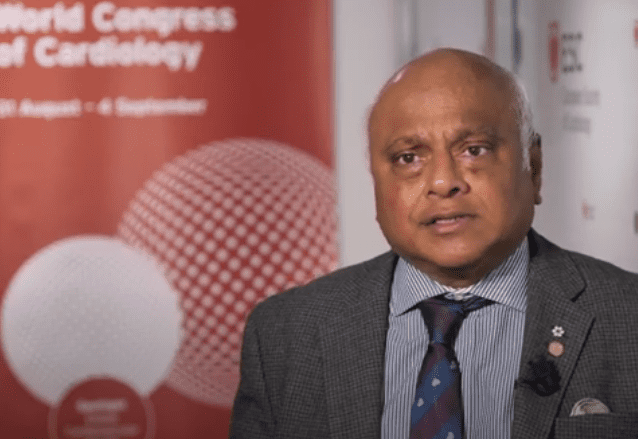




 Neil
Neil 
 Neil
Neil